Volunteering
Science Communication & Outreach
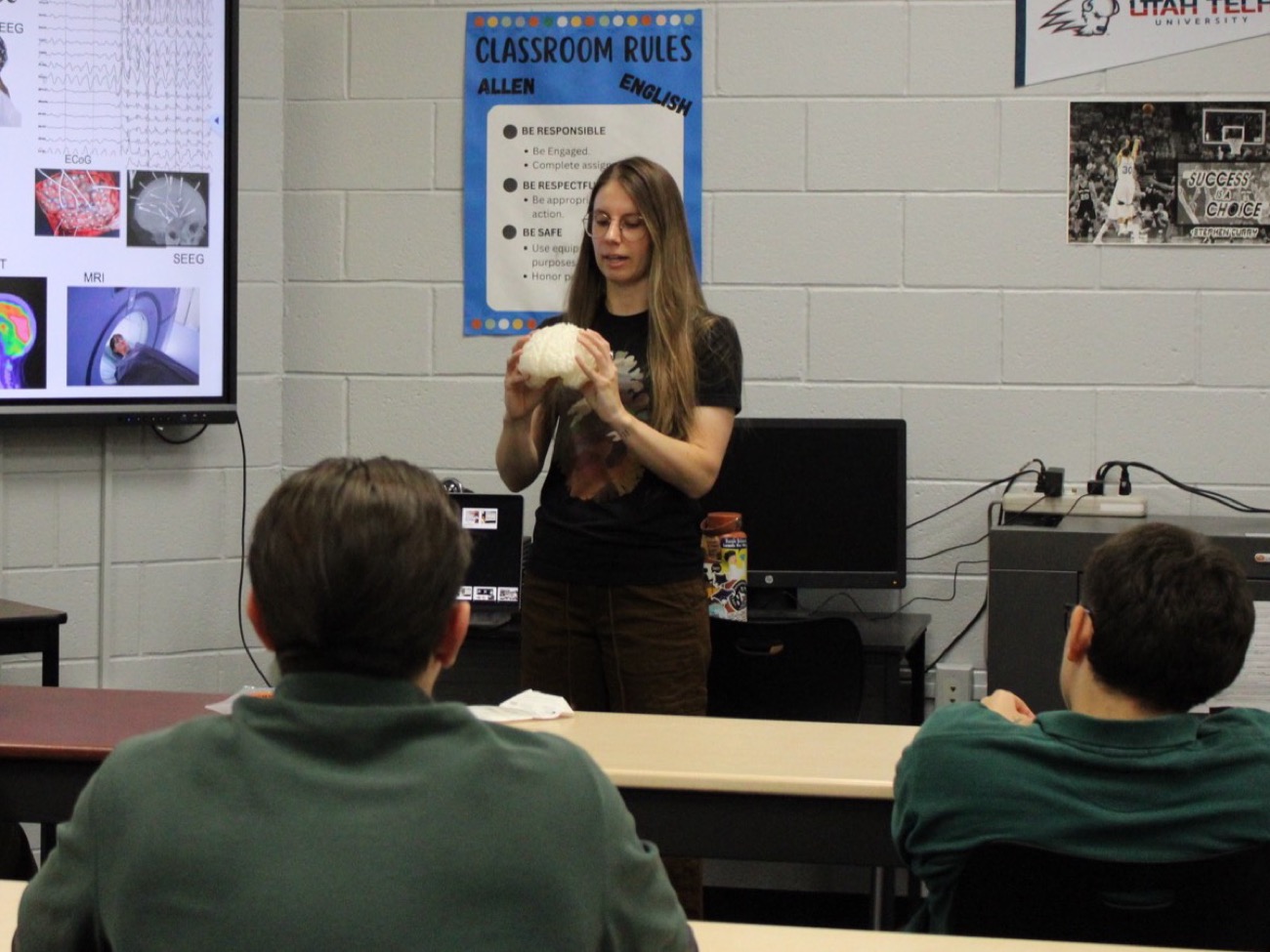
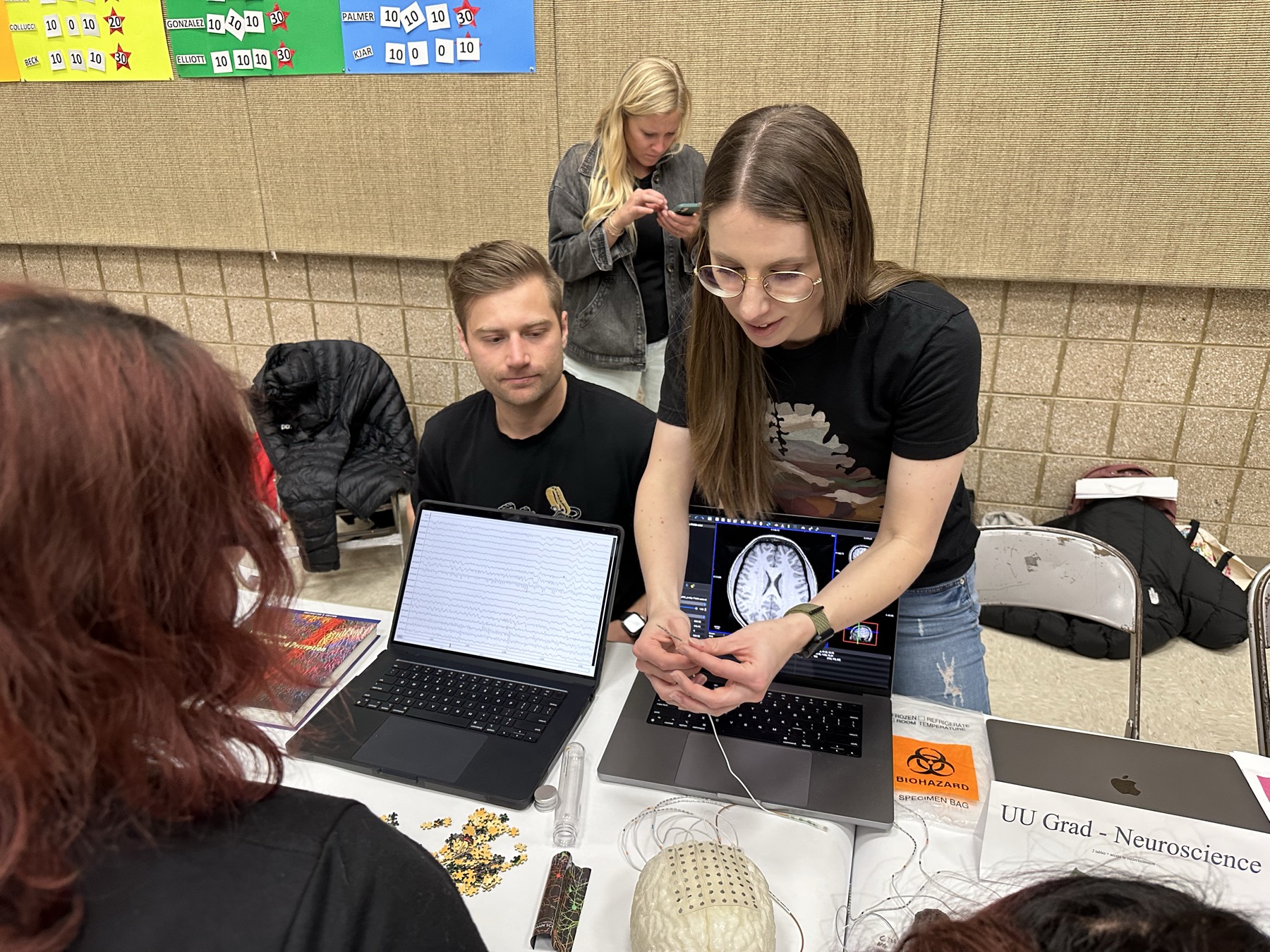
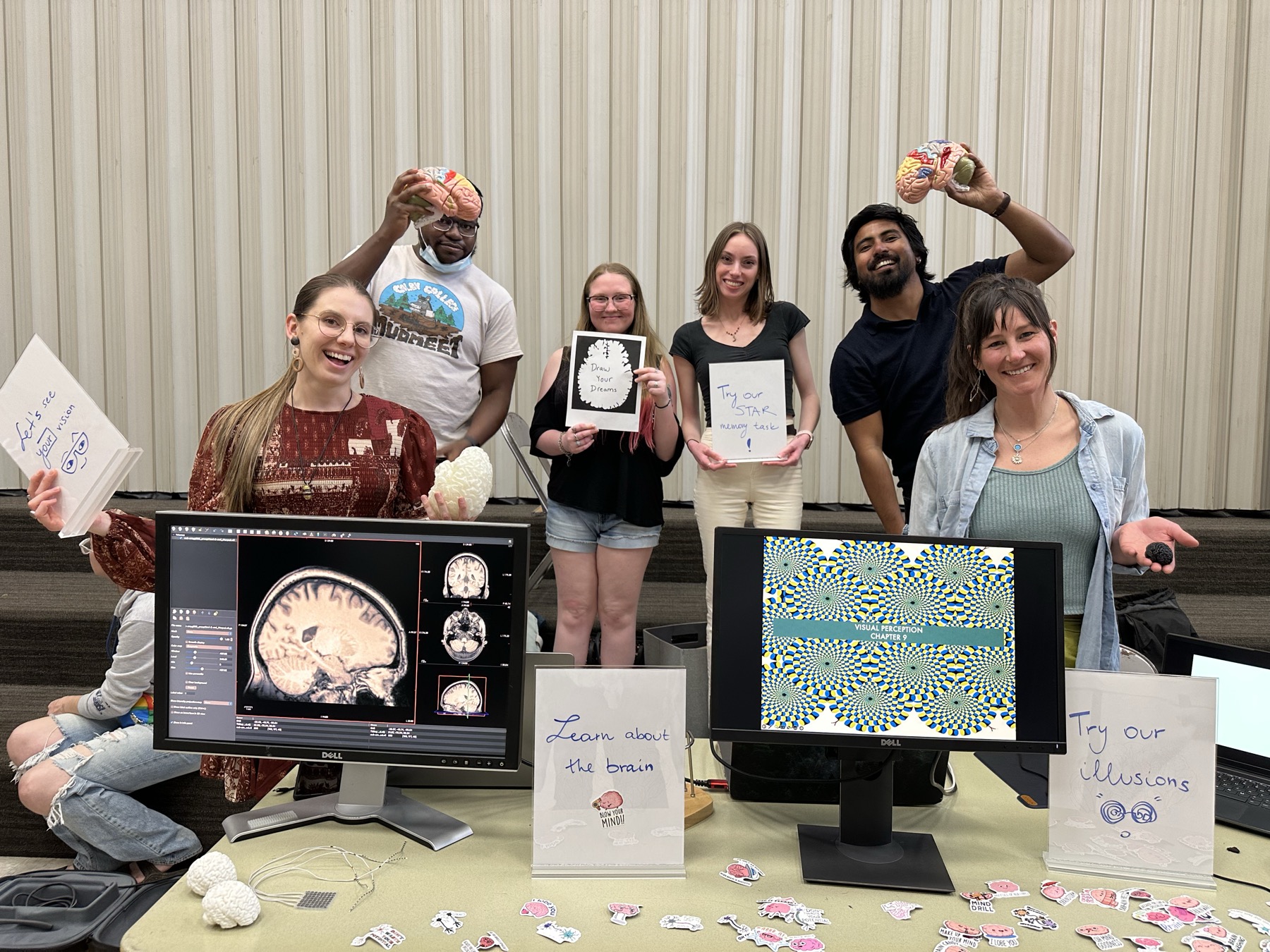
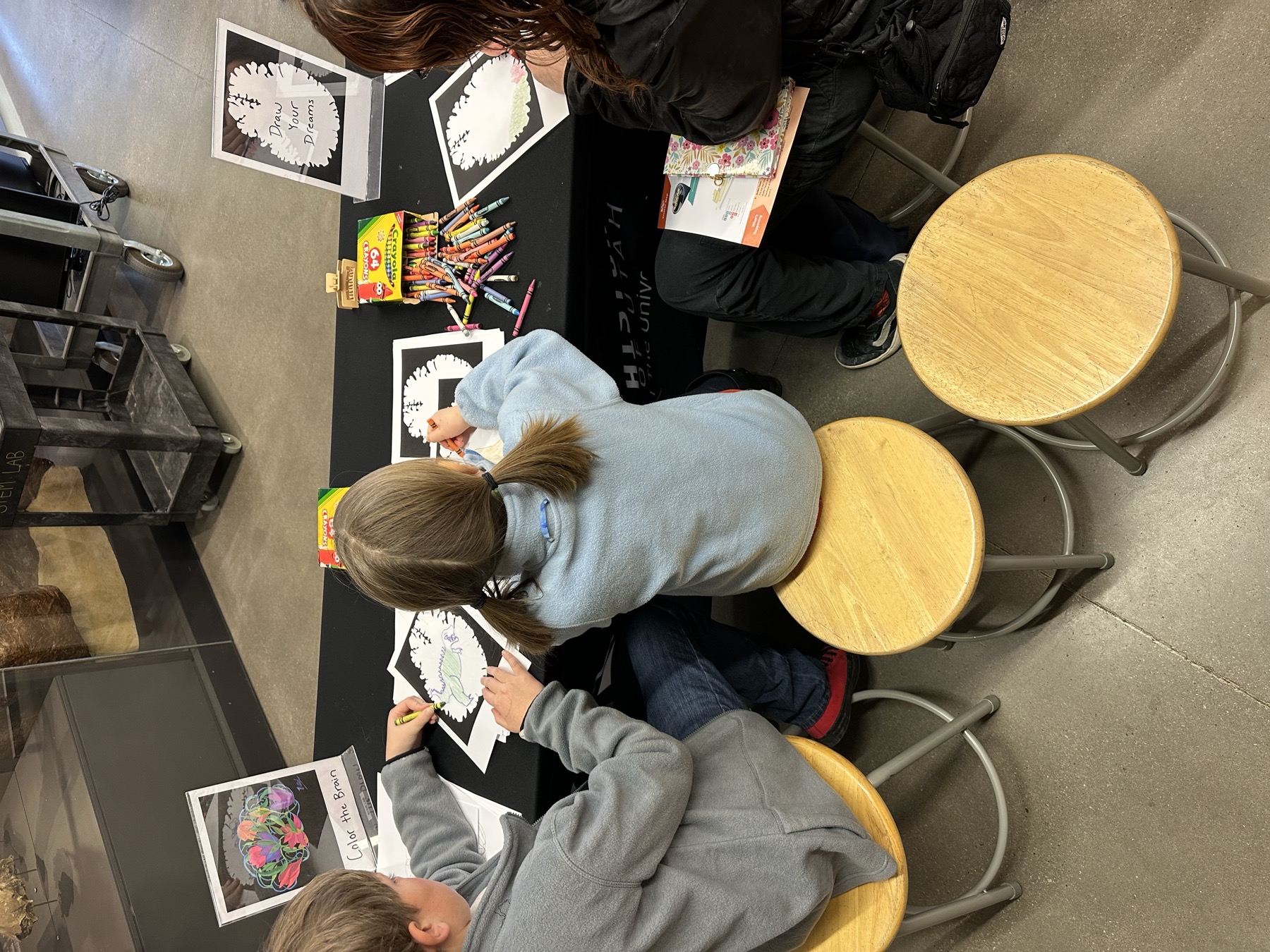
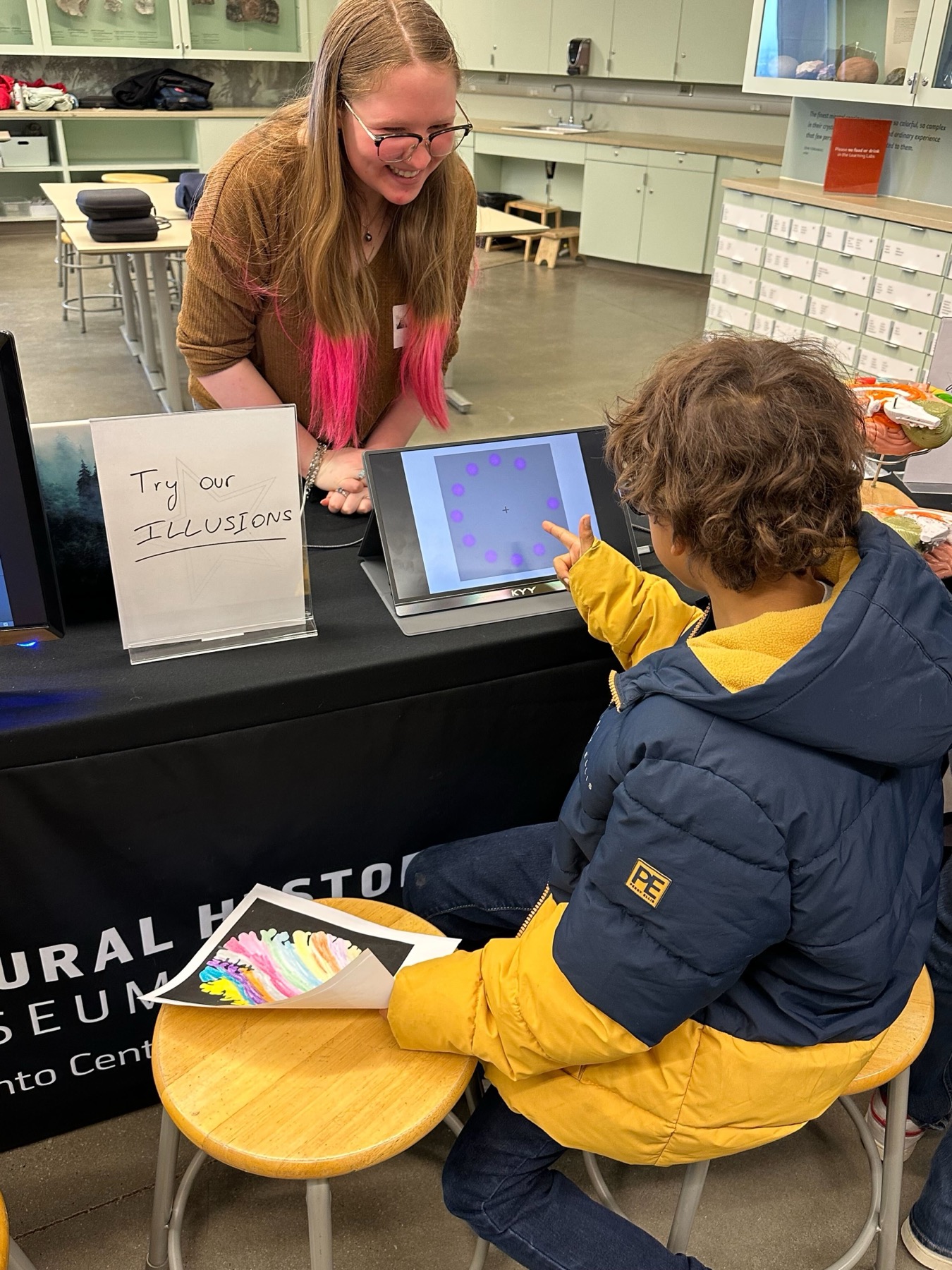
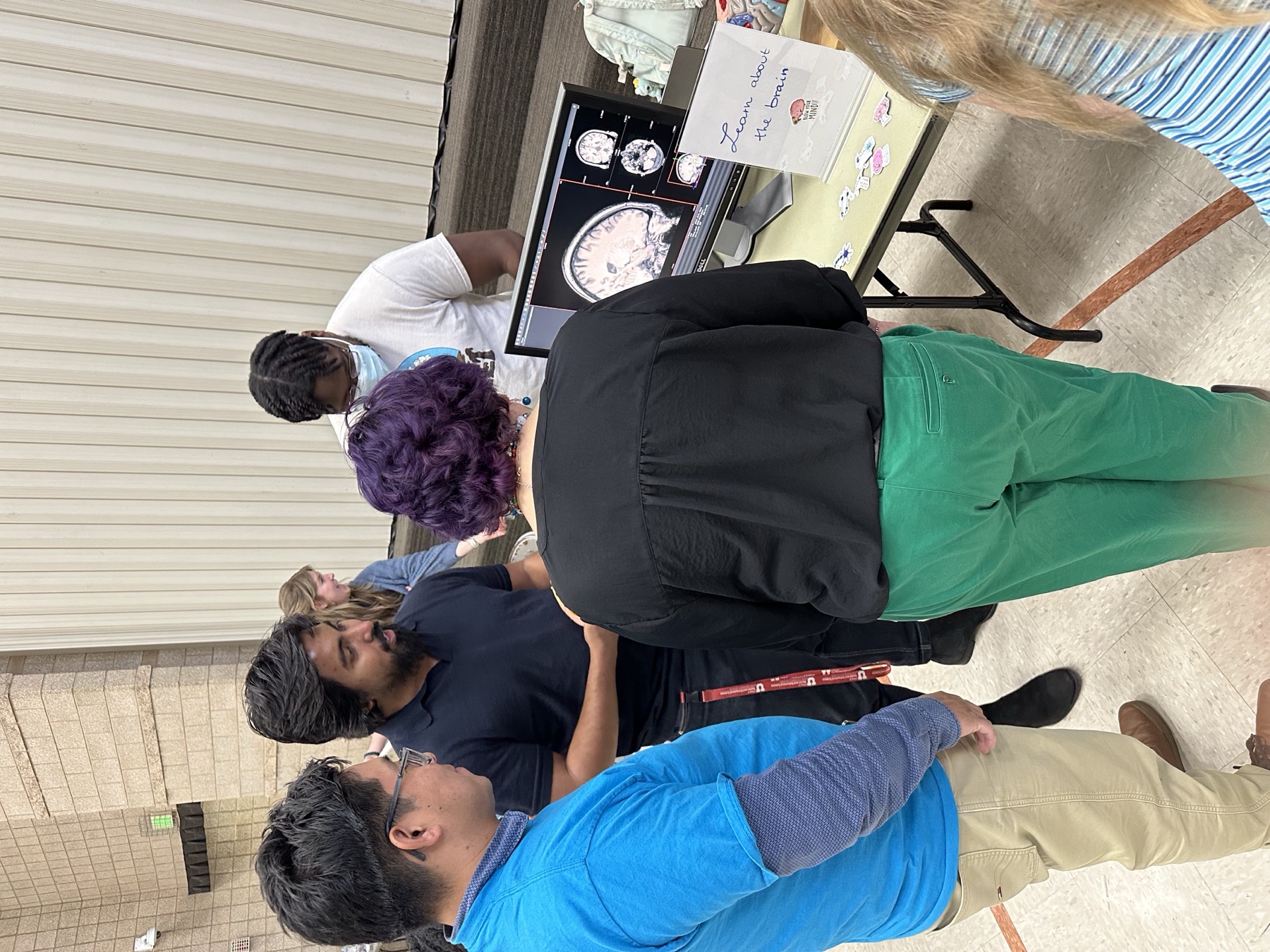
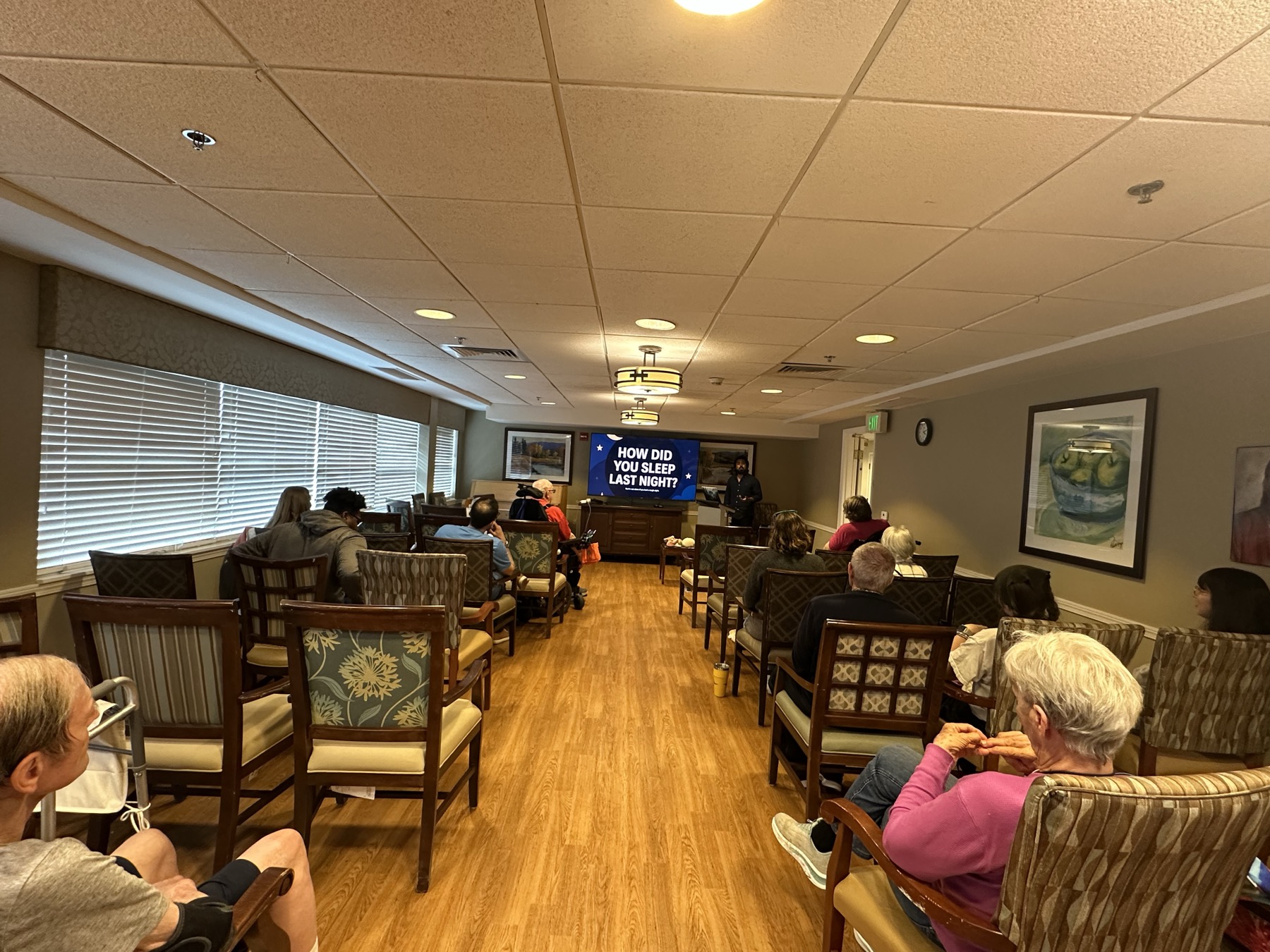
I led the University of Utah’s Department of Psychology’s outreach efforts for over four years as an extracurricular during my doctoral program. I am passionate about delivering up-to-date scientific information to different communities, to inspire them to keep learning about science. I organized events and built long-term collaborations with several organizations, including the STEM Community Alliance Program, the STEM Ambassador Program, the Brain Bee of Salt Lake City, the Osher Lifelong Learning Institute, Capitol Hill Senior Living, Olympus High School, Mt. View Elementary School, the Eccles Boys & Girls Club, Sunrise Senior Living, and the Natural History Museum of Utah.
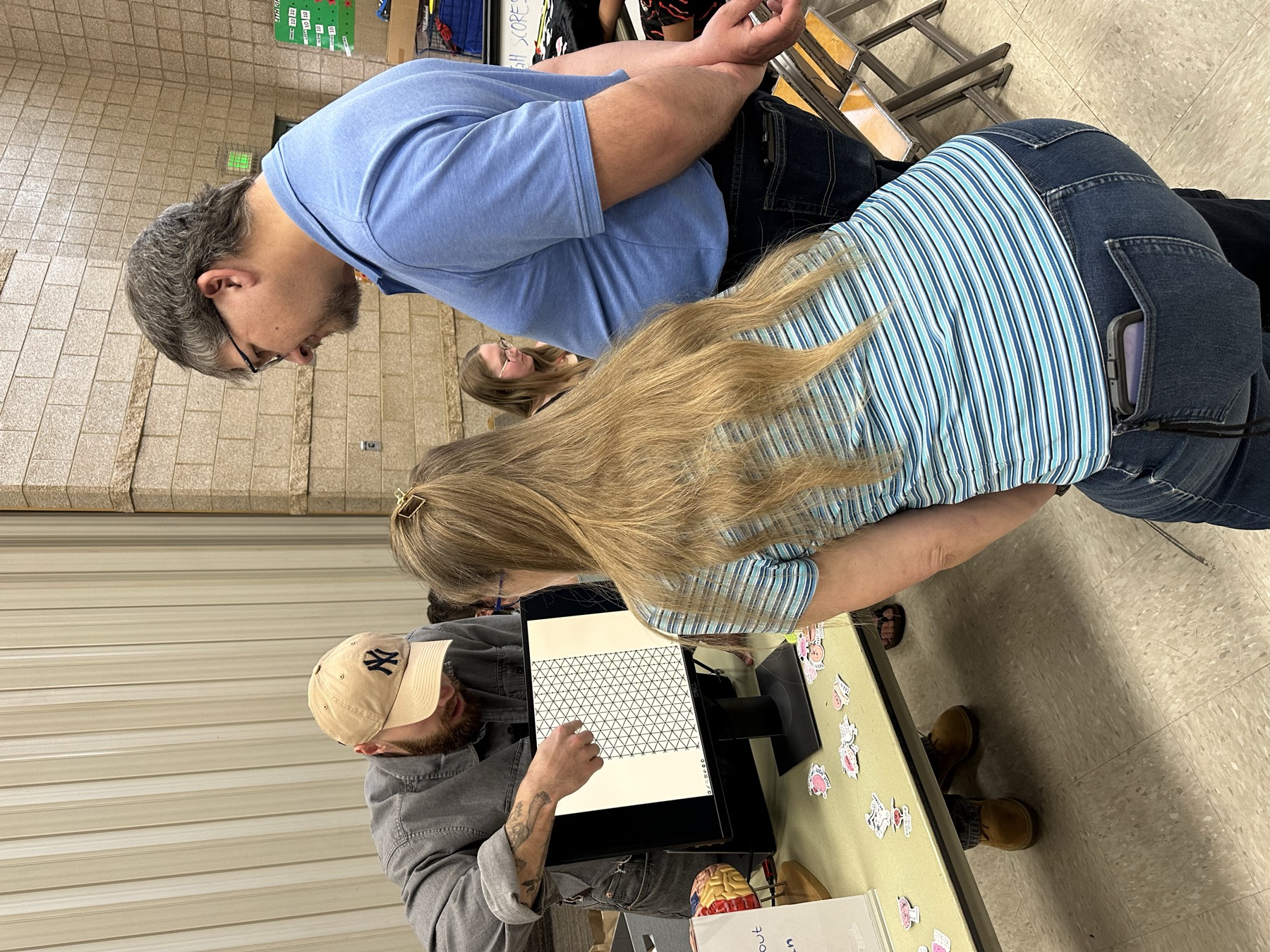
The events ranged from formal classroom settings to cognitive and neuroscience games with children at after-school events. Some of my favorite moments were playing games with children about color and motion perception, then explaining to their parents — in awe — how it works. Some of my favorite questions came from my classroom teaching of Neurobiology of Learning and Memory and How to Heal from PTSD, courses I taught voluntarily. Some of the most fun yet delicate questions to answer were, “Why haven’t we figured out how to cure Alzheimer’s disease and PTSD? Our country spends so much money on research and we still haven’t come to an answer in decades.” Answering questions like these is one of the most fundamental reasons I find science communication essential.
I also wrote a paper on why some memories stay with us longer than others — the concept of memory consolidation — for Frontiers for Young Minds, currently awaiting publication.
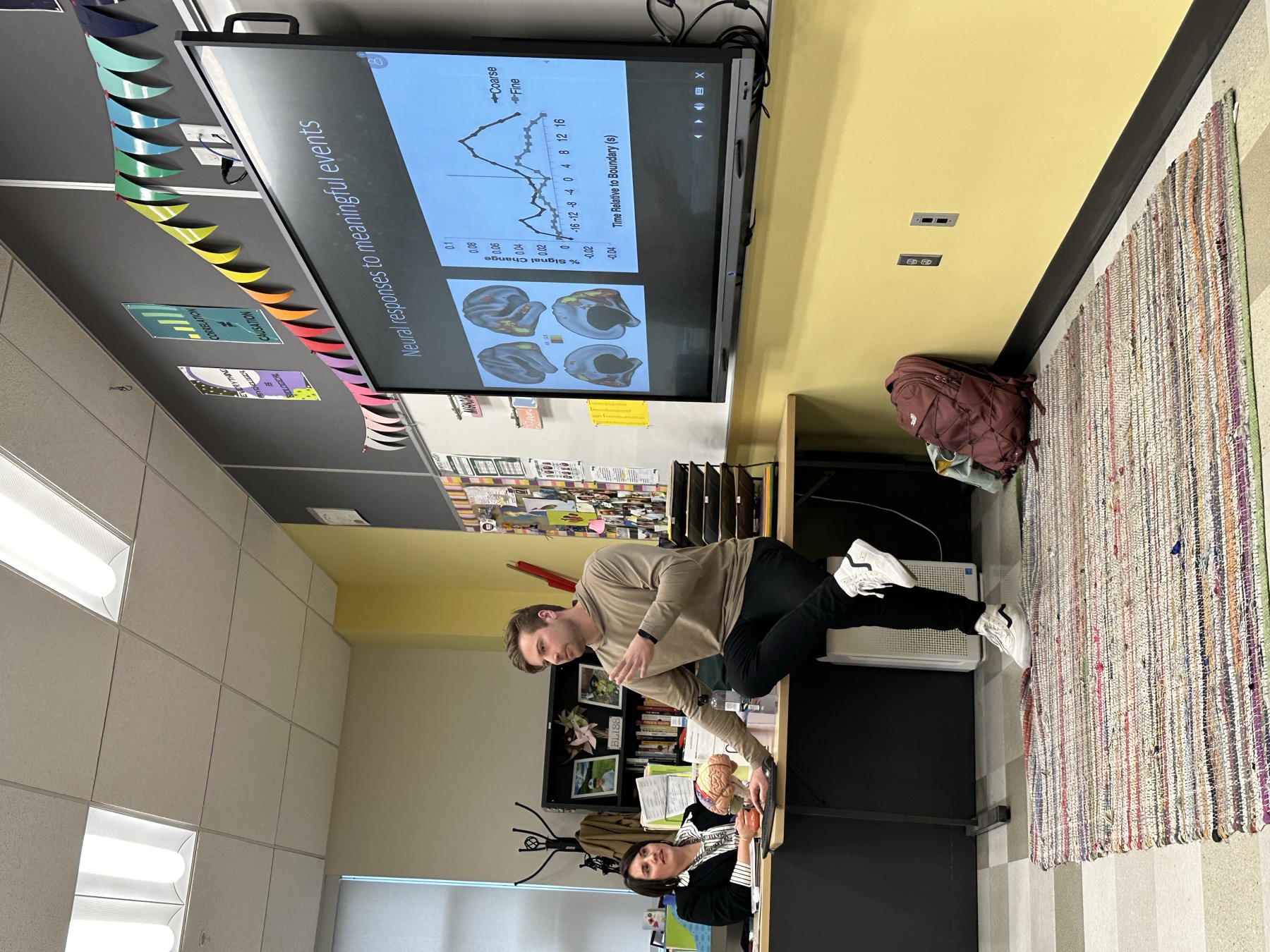
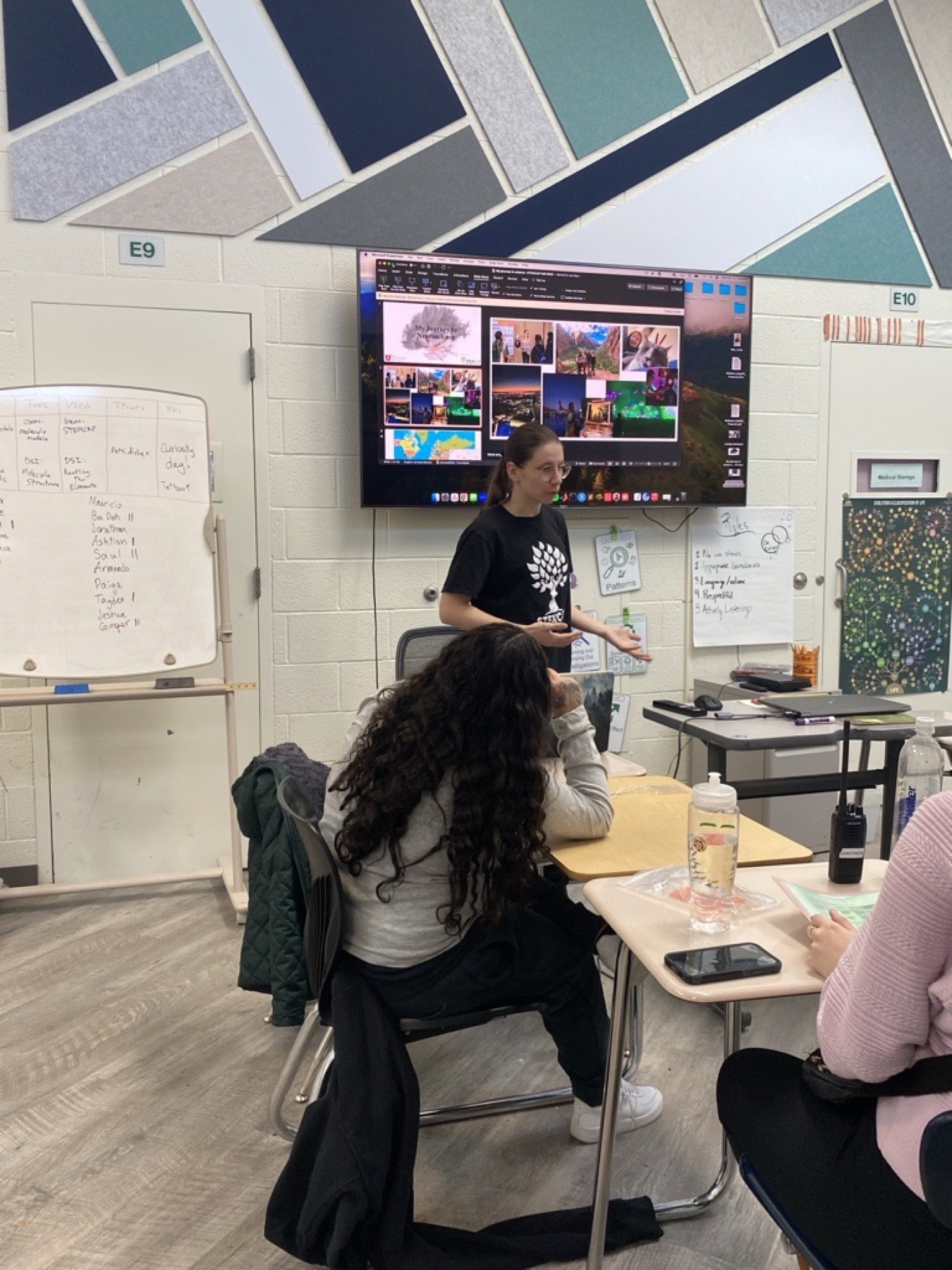
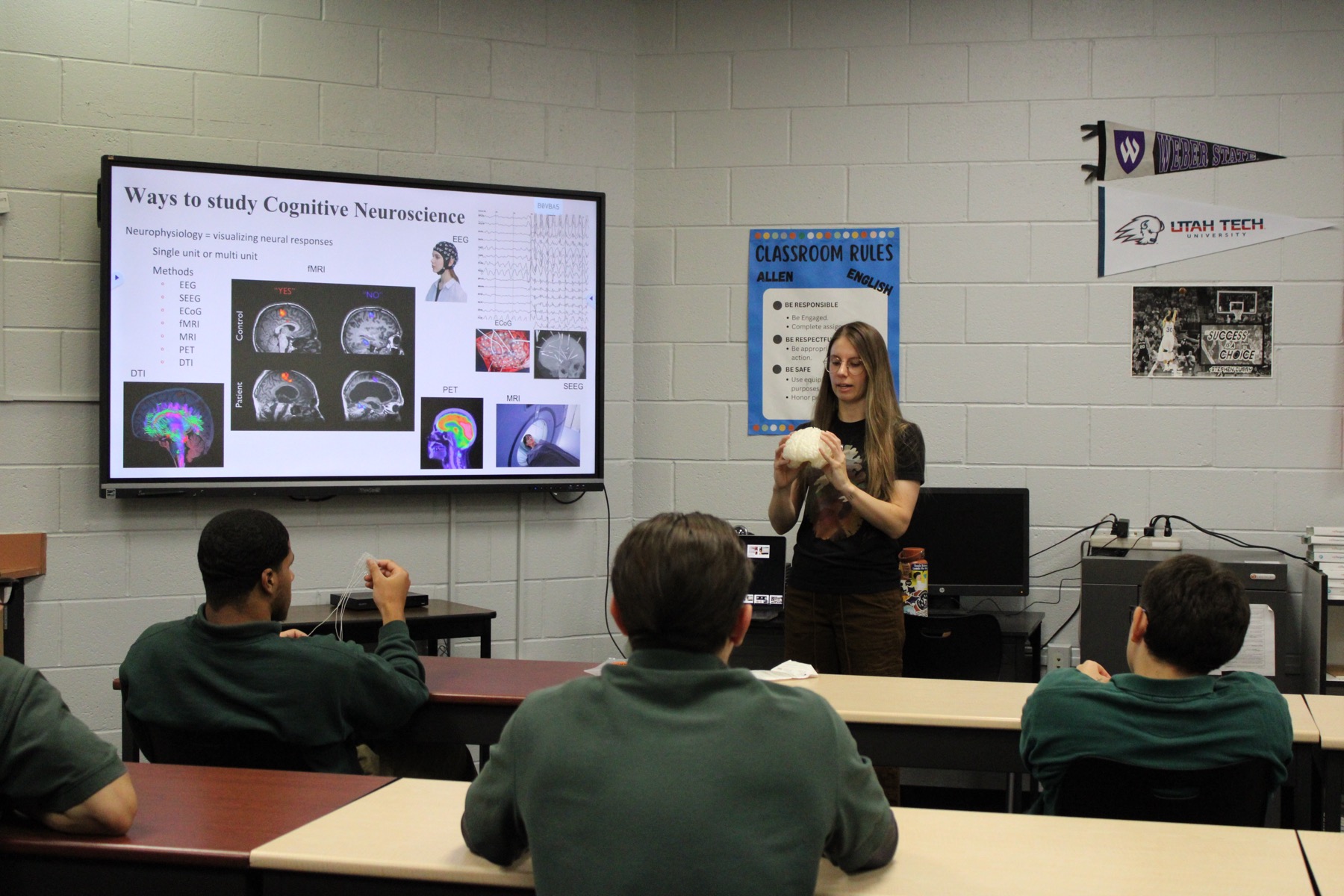
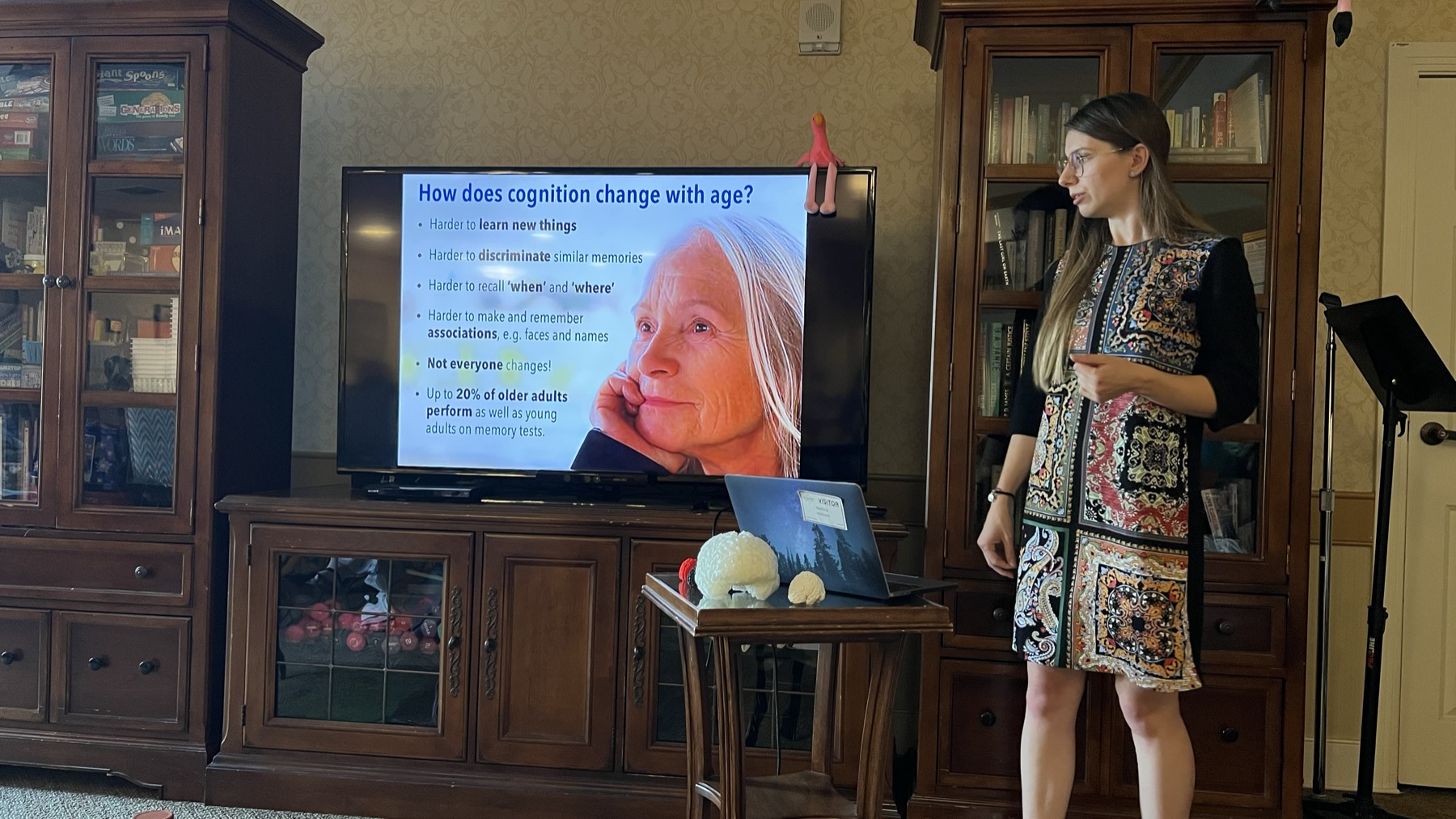
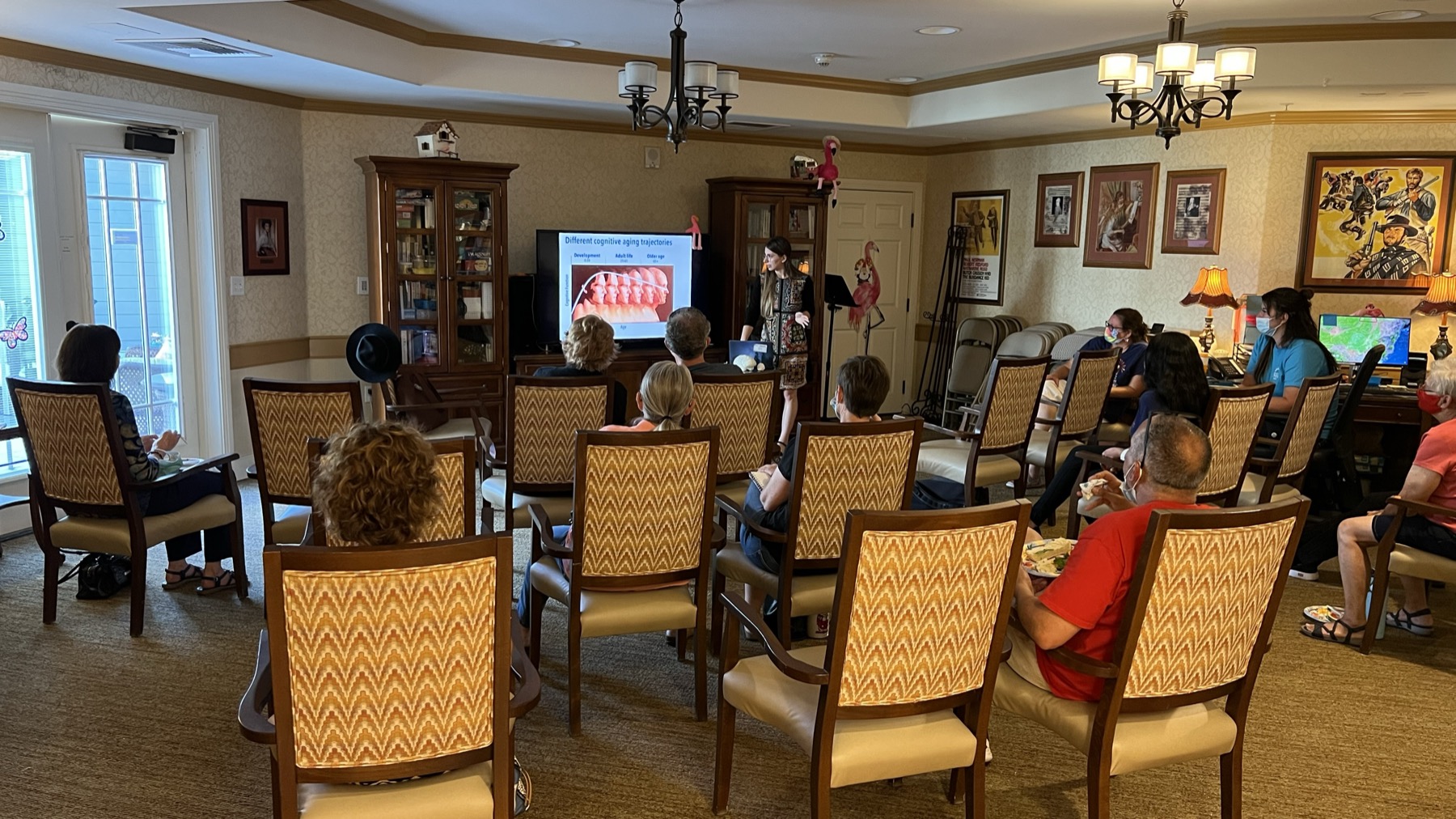
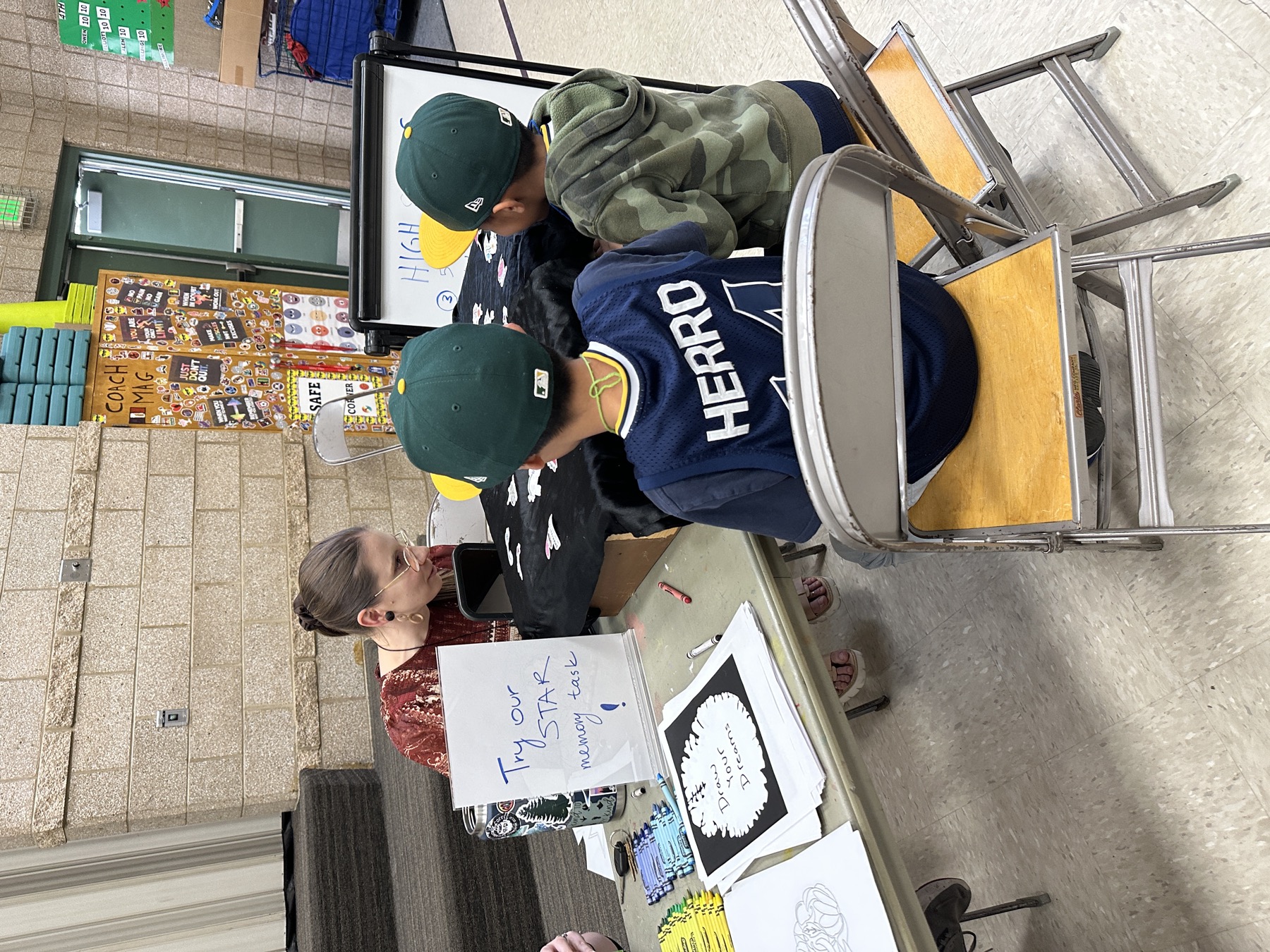
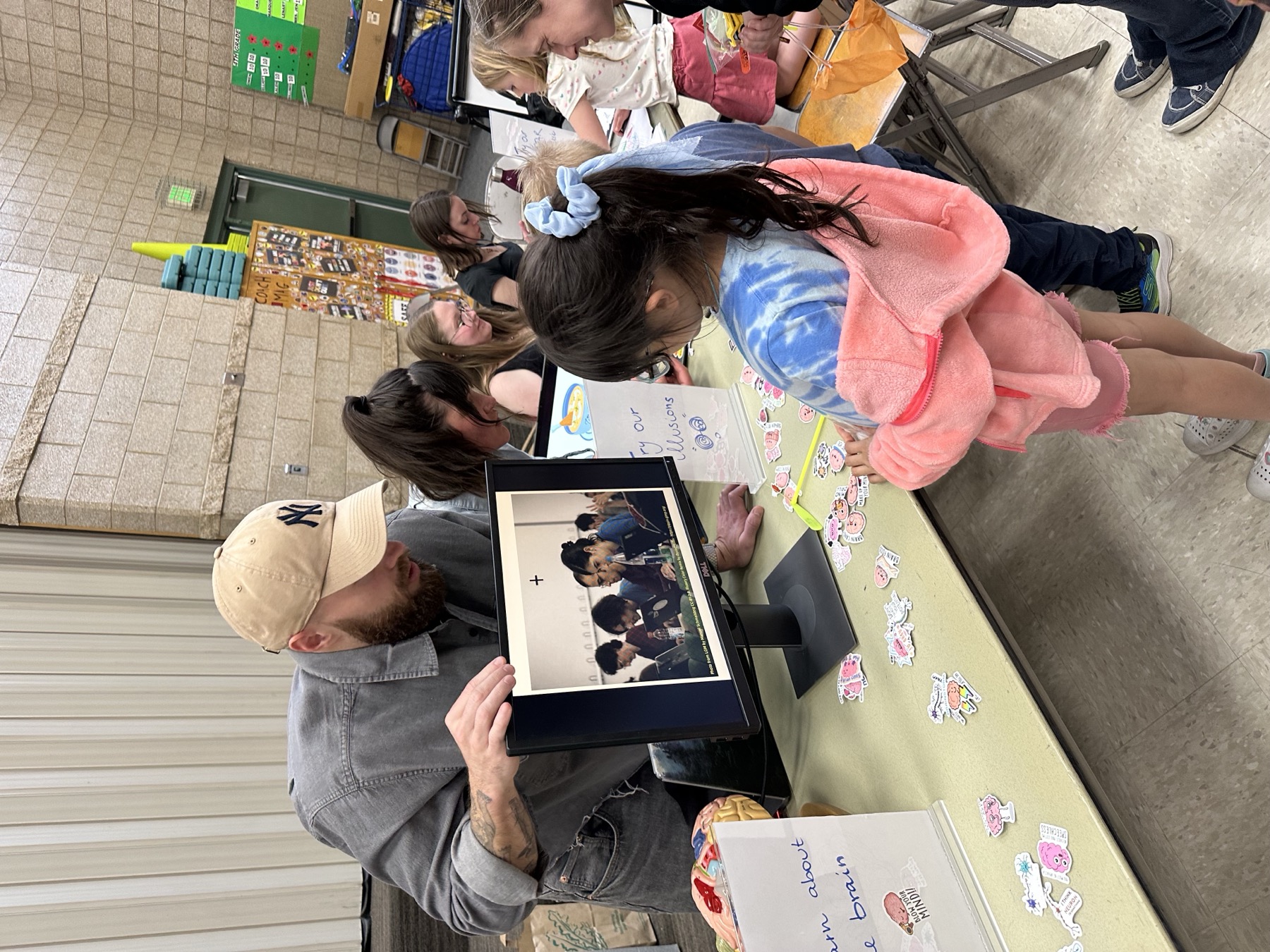
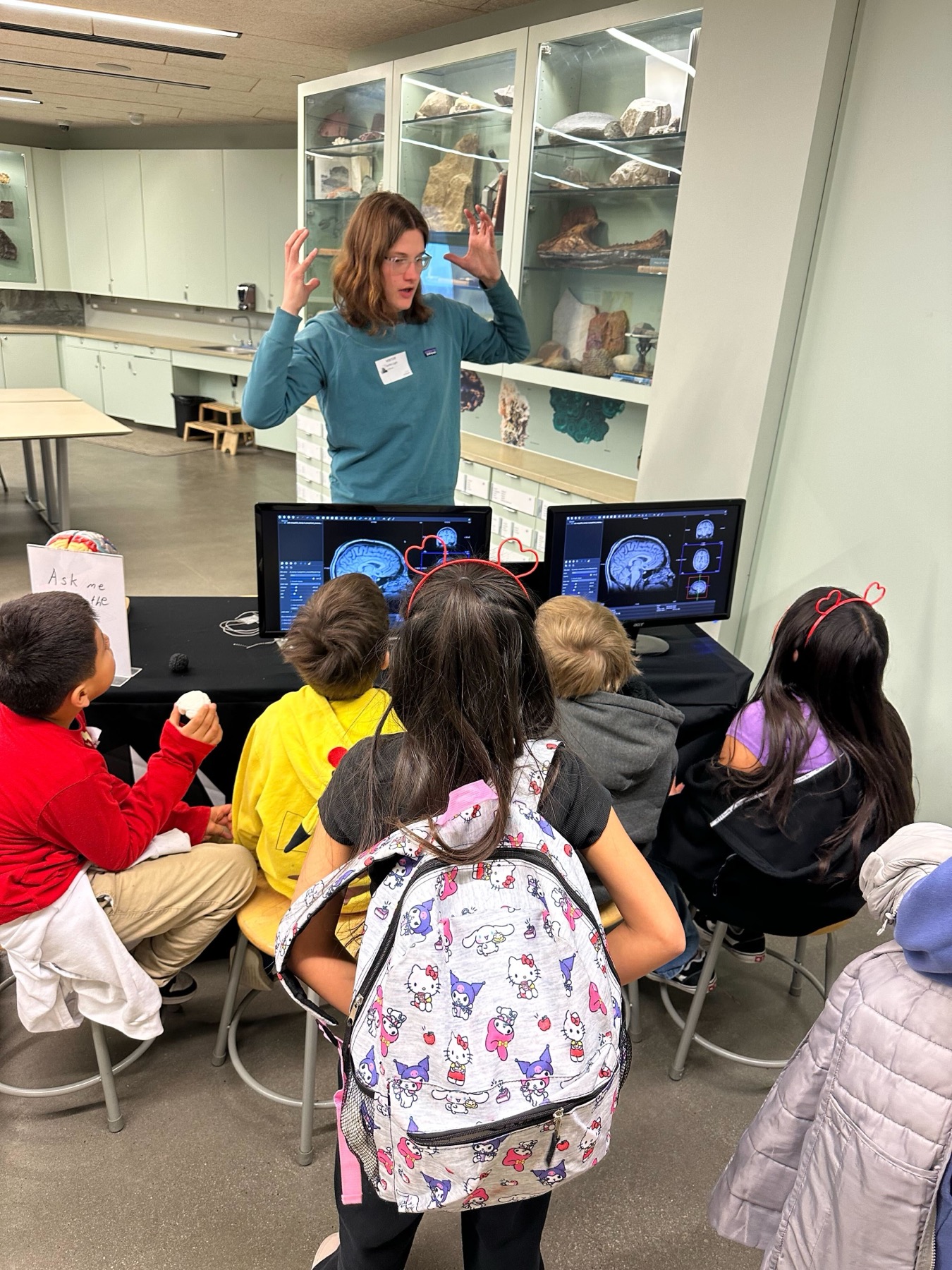
Collaborating organizations




Fostering Cats
I started fostering cats with Best Friends Animal Society in Salt Lake City, Utah, a few years ago. During my doctoral program I had additional space and time to help cats with behavioral issues learn to trust humans again. I fostered over 35 cats, staying anywhere from a few weeks to nine months, to give them a break from the shelter and begin building a safer relationship with humans.
I reported to the foster care team at Best Friends Animal Society, and we had frequent conversations about situations that were challenging to resolve even for them. I collaborated on these animals’ care, and all of them have found loving homes since. I worked with future adopters, vets, and the foster care team to find the most fitting care for each cat — playtime, alone time, exposure to humans or other animals, medication management, behavioral assessments, and 24-hour camera monitoring to help me understand what the cats were doing when I wasn’t around.
I watched these cats blossom from nearly feral into cuddle bugs. See examples below.
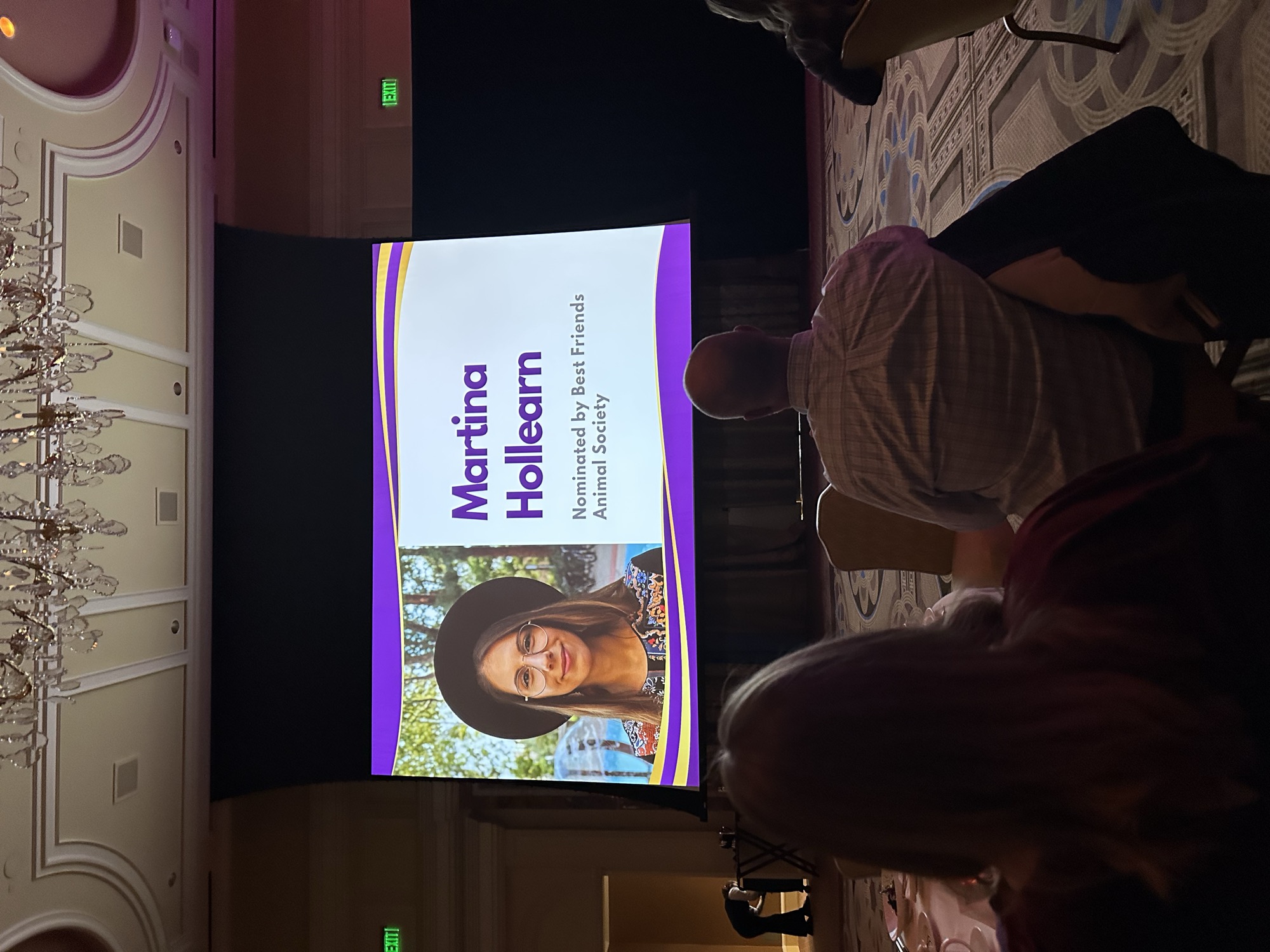
For my efforts, I was nominated by Best Friends Animal Society for the Heart & Hands Award, which I gladly accepted at the Utah Philanthropy Day award ceremony.
Before & After
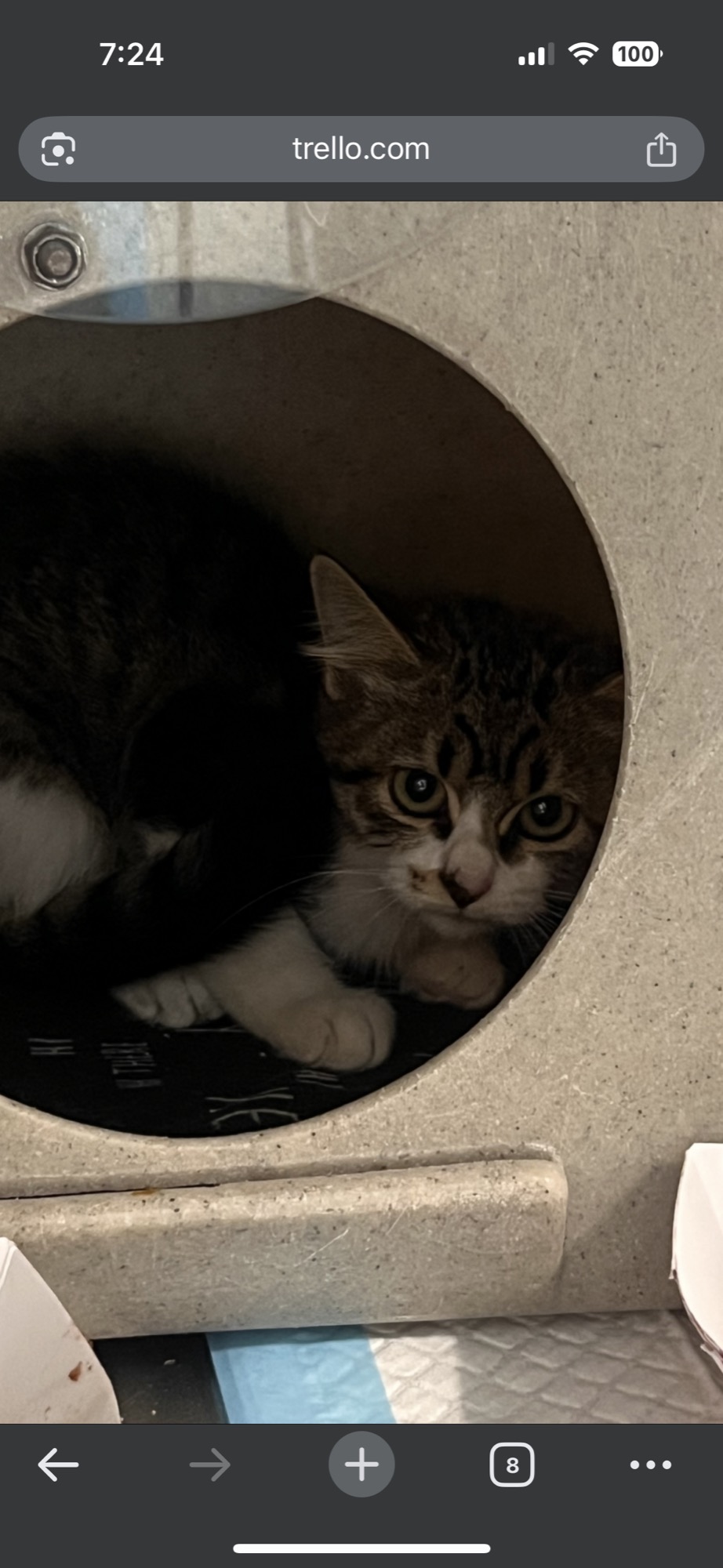
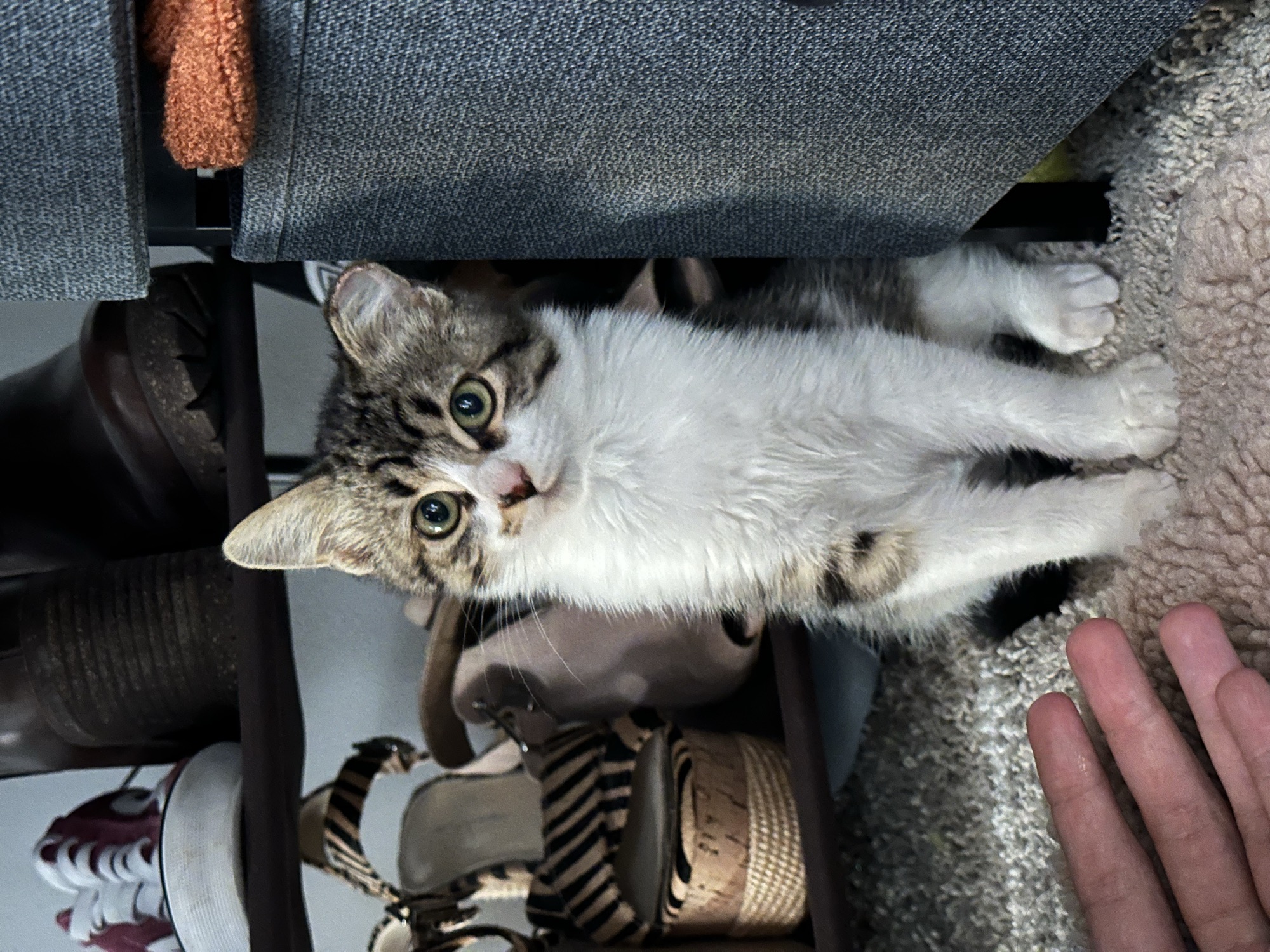
Goblin — before & after
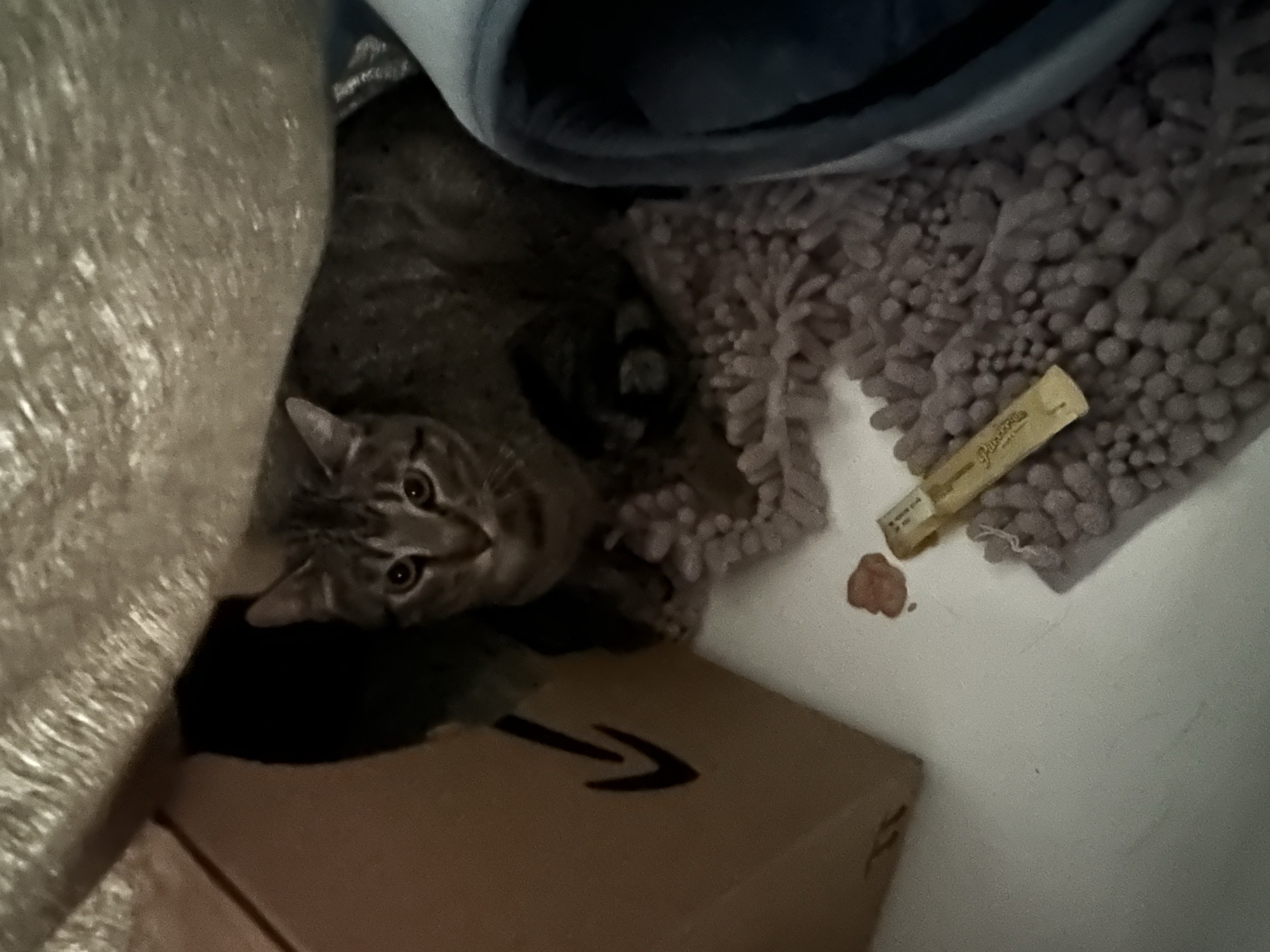
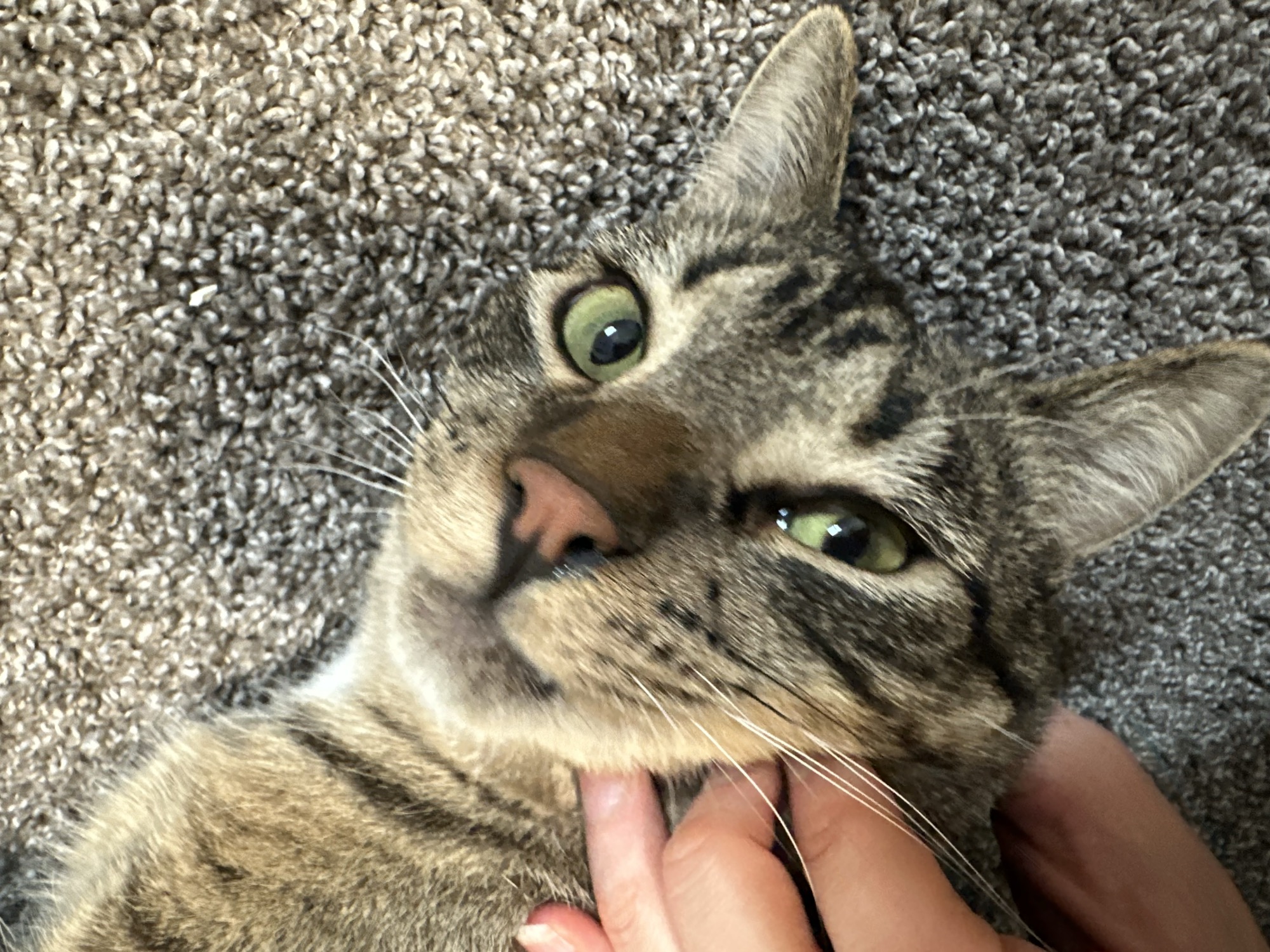
Turtle — before & after
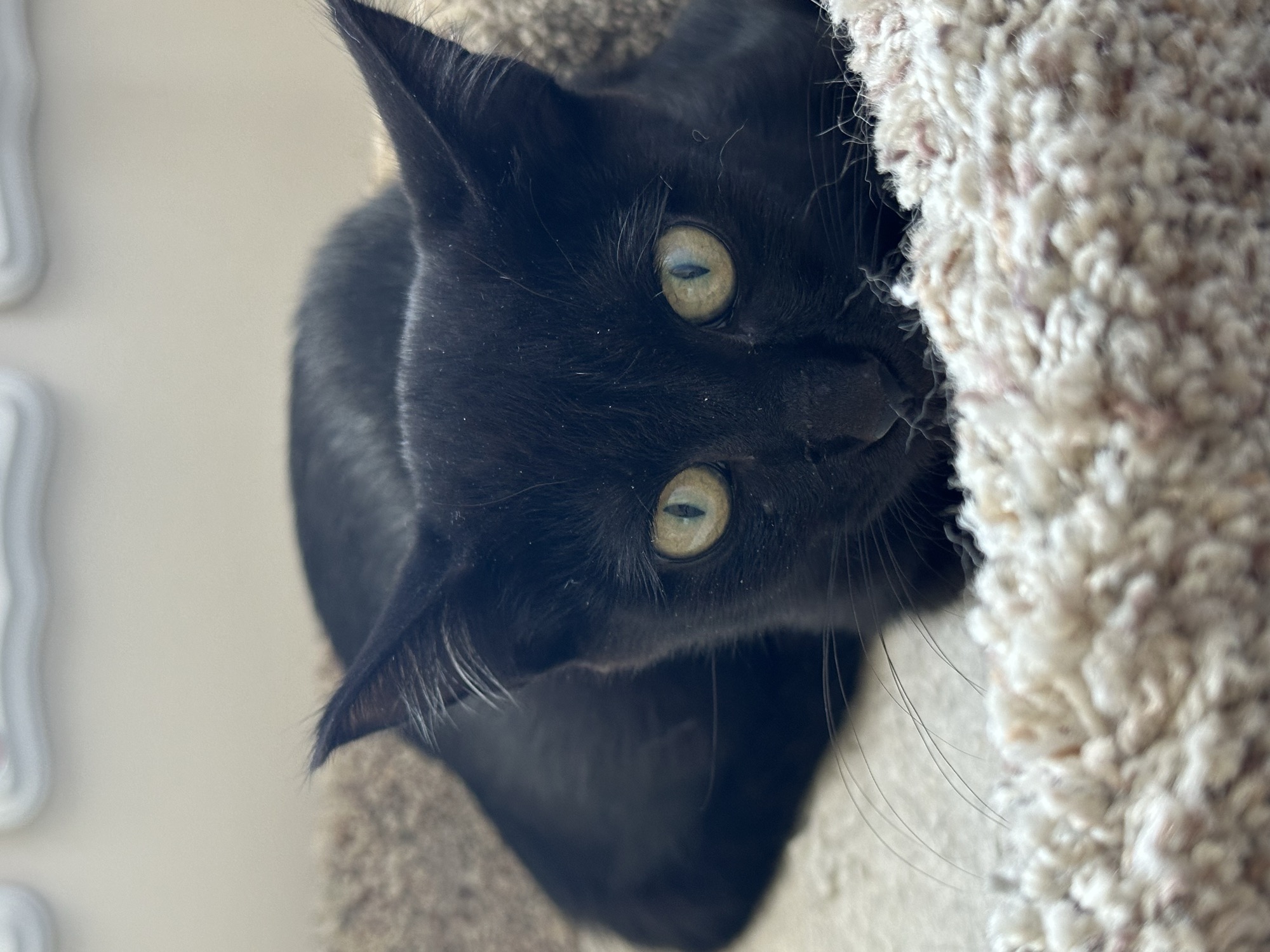
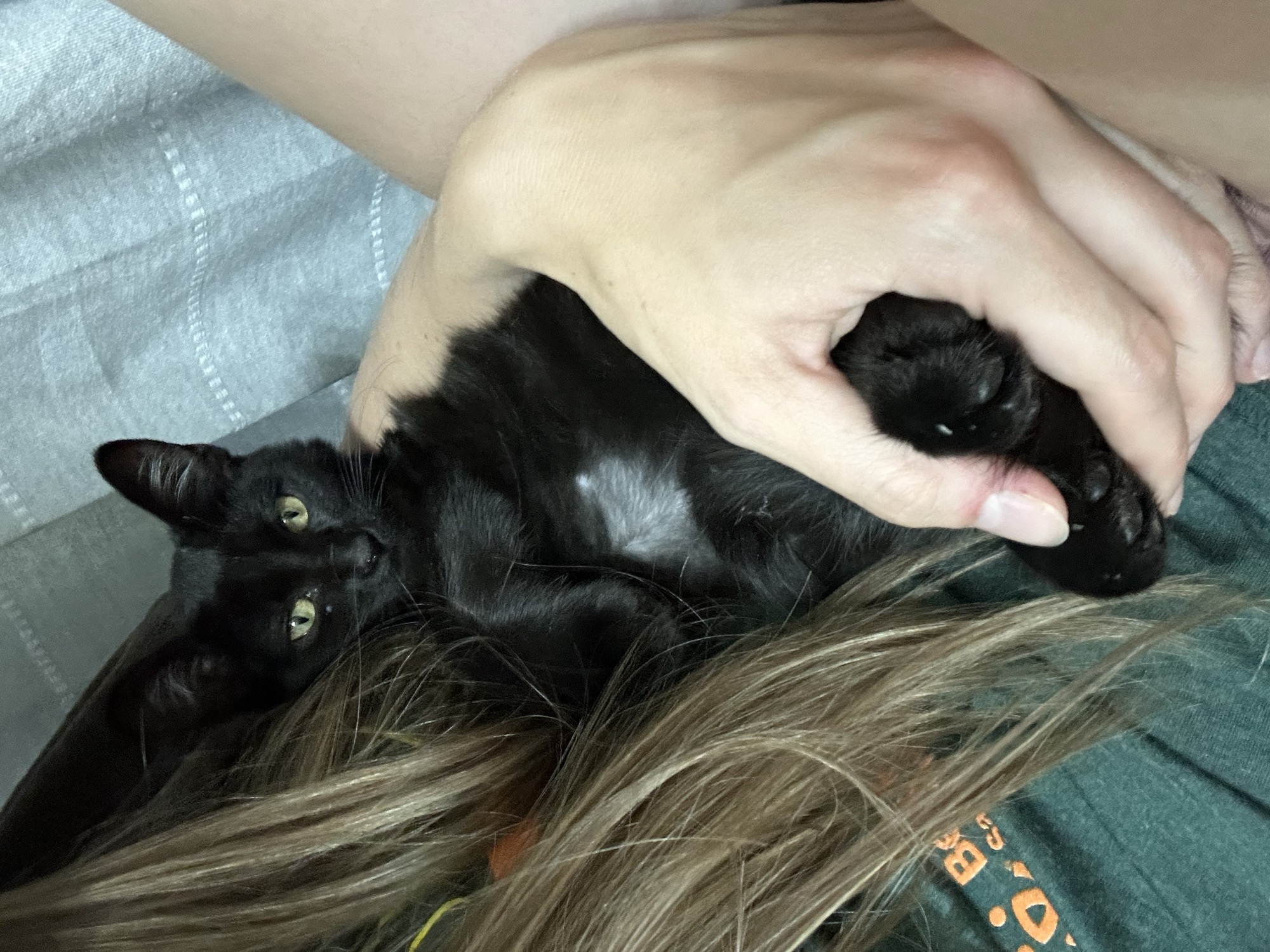
Zee — before & after
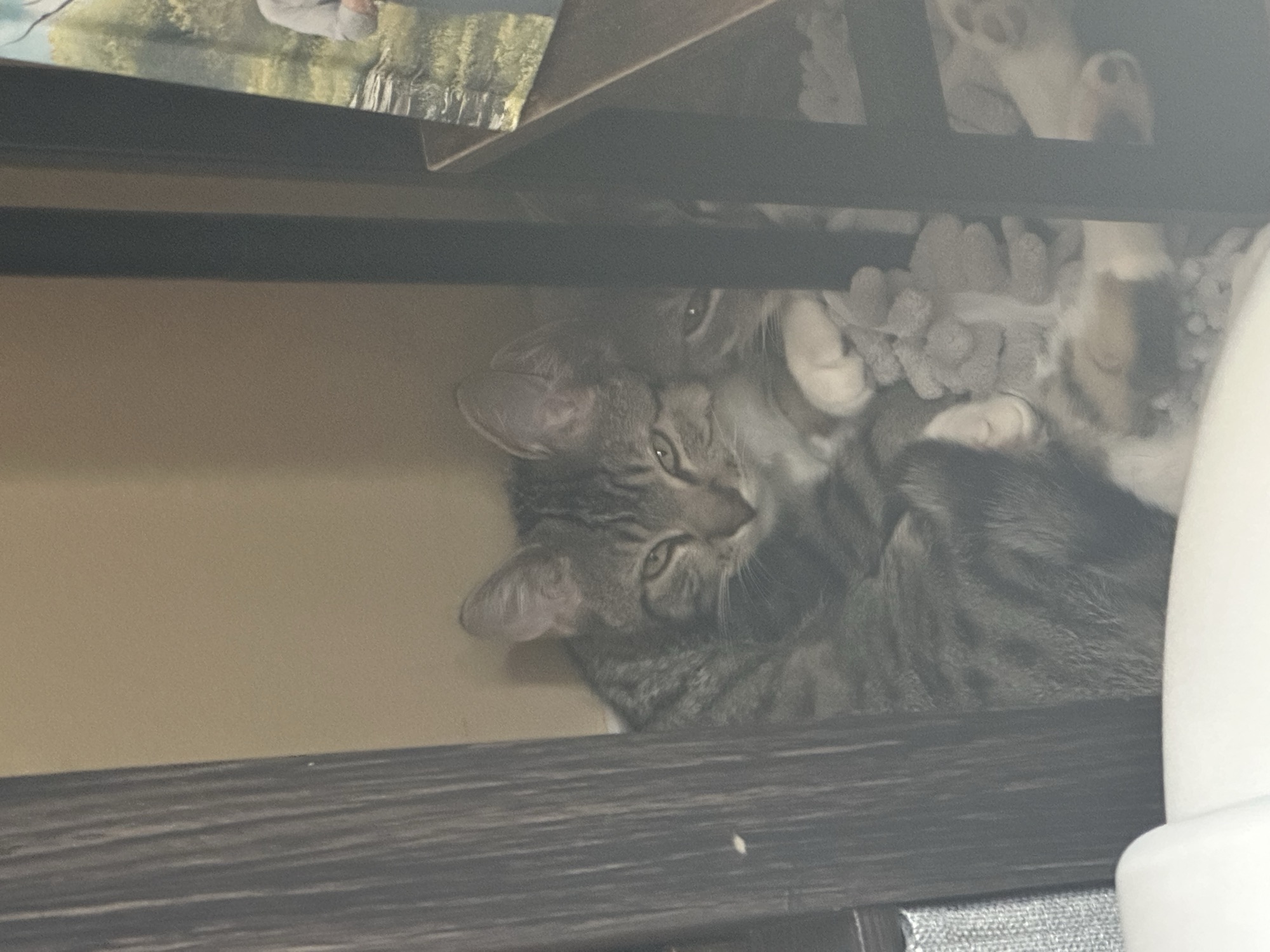
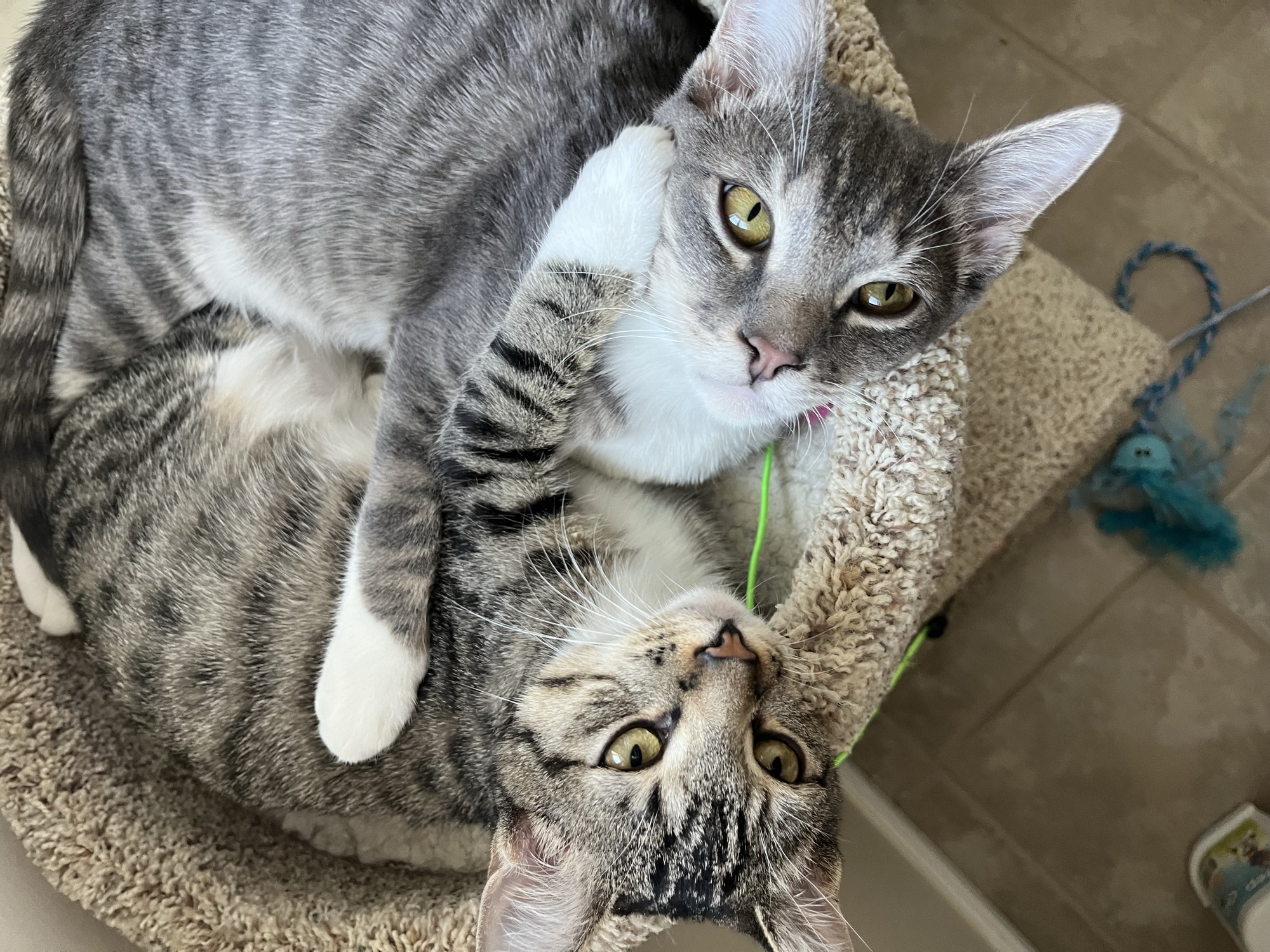
Jacaerys & Daemon — before & after
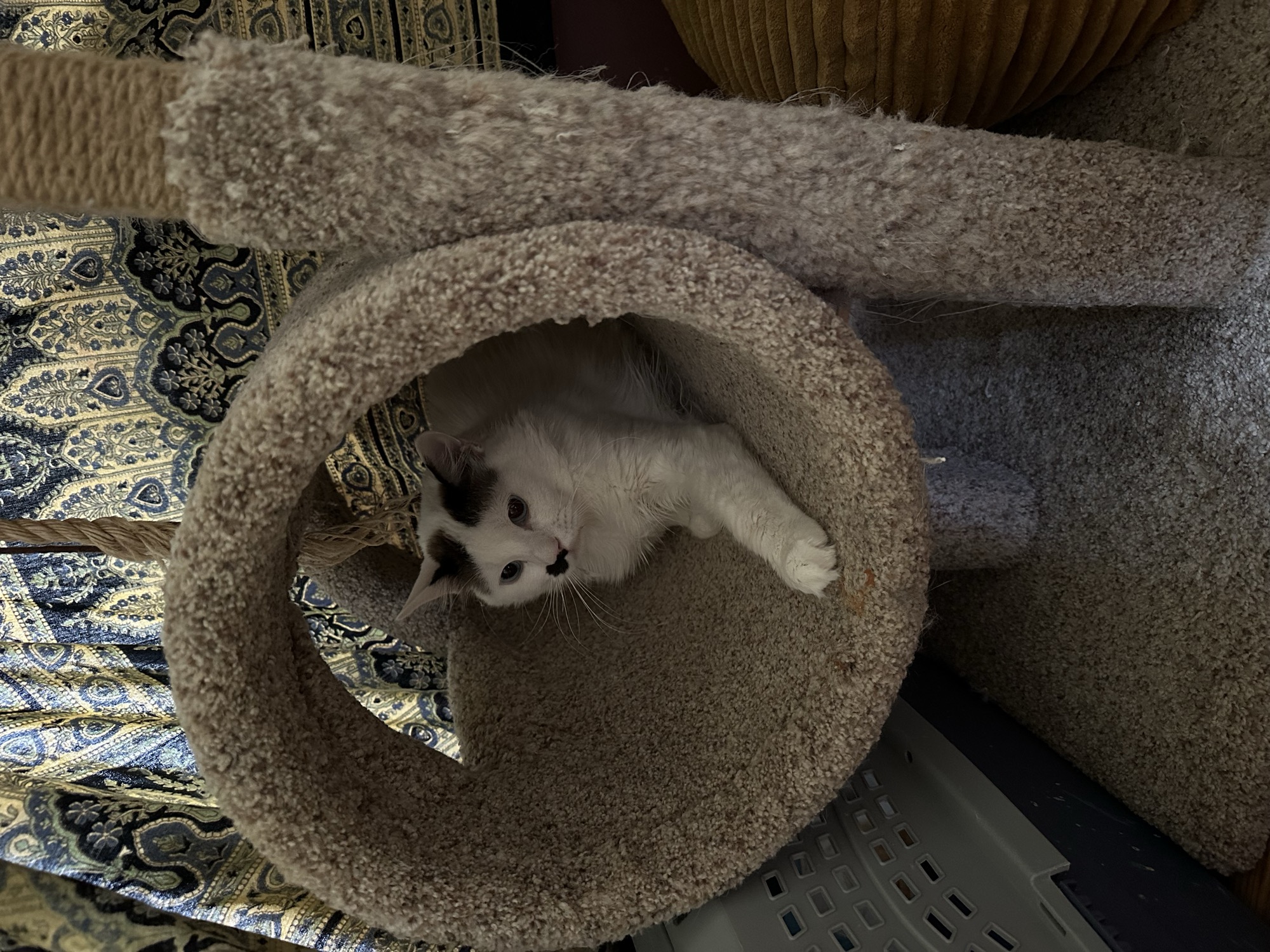
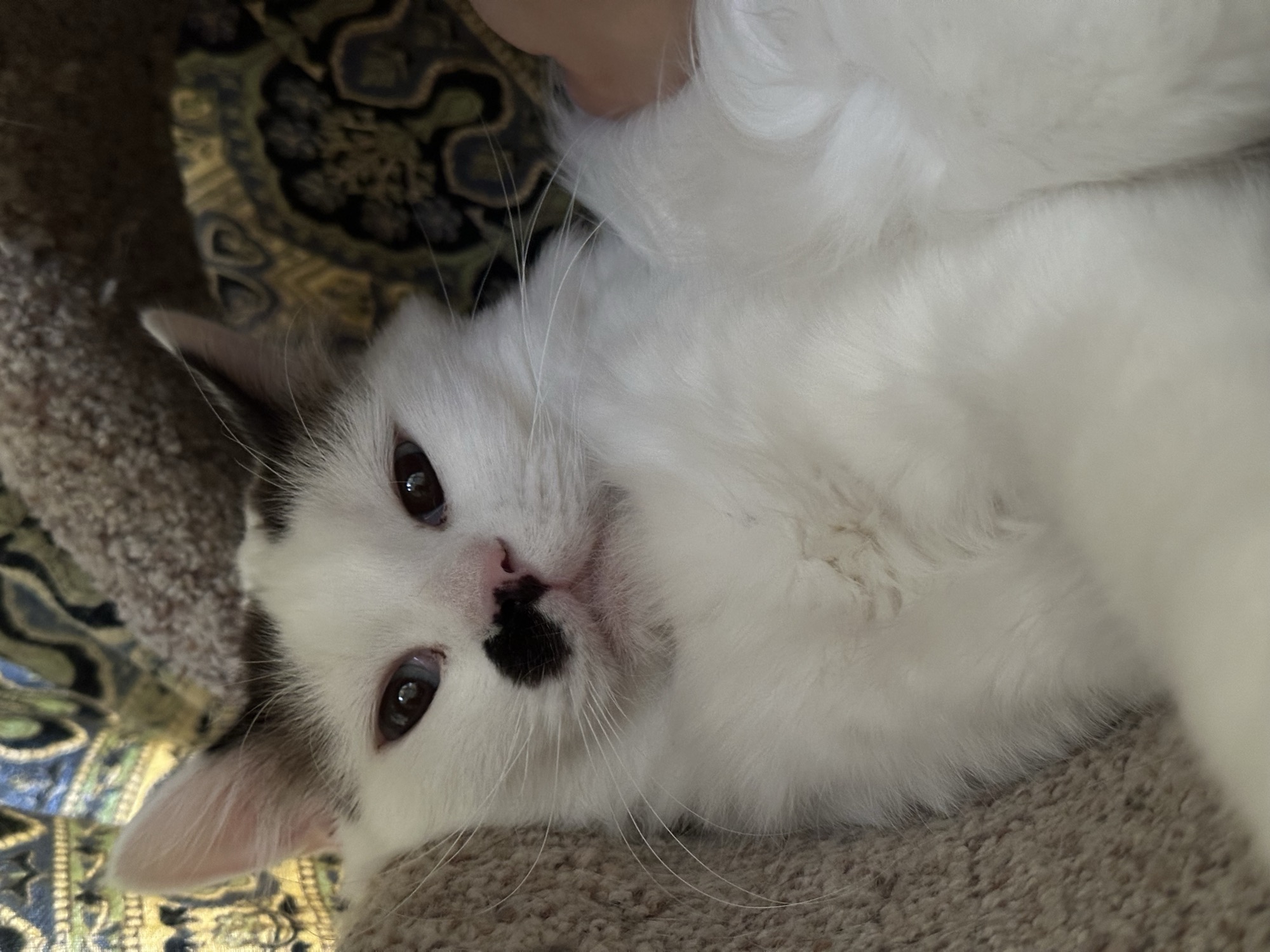
Meeko — before & after
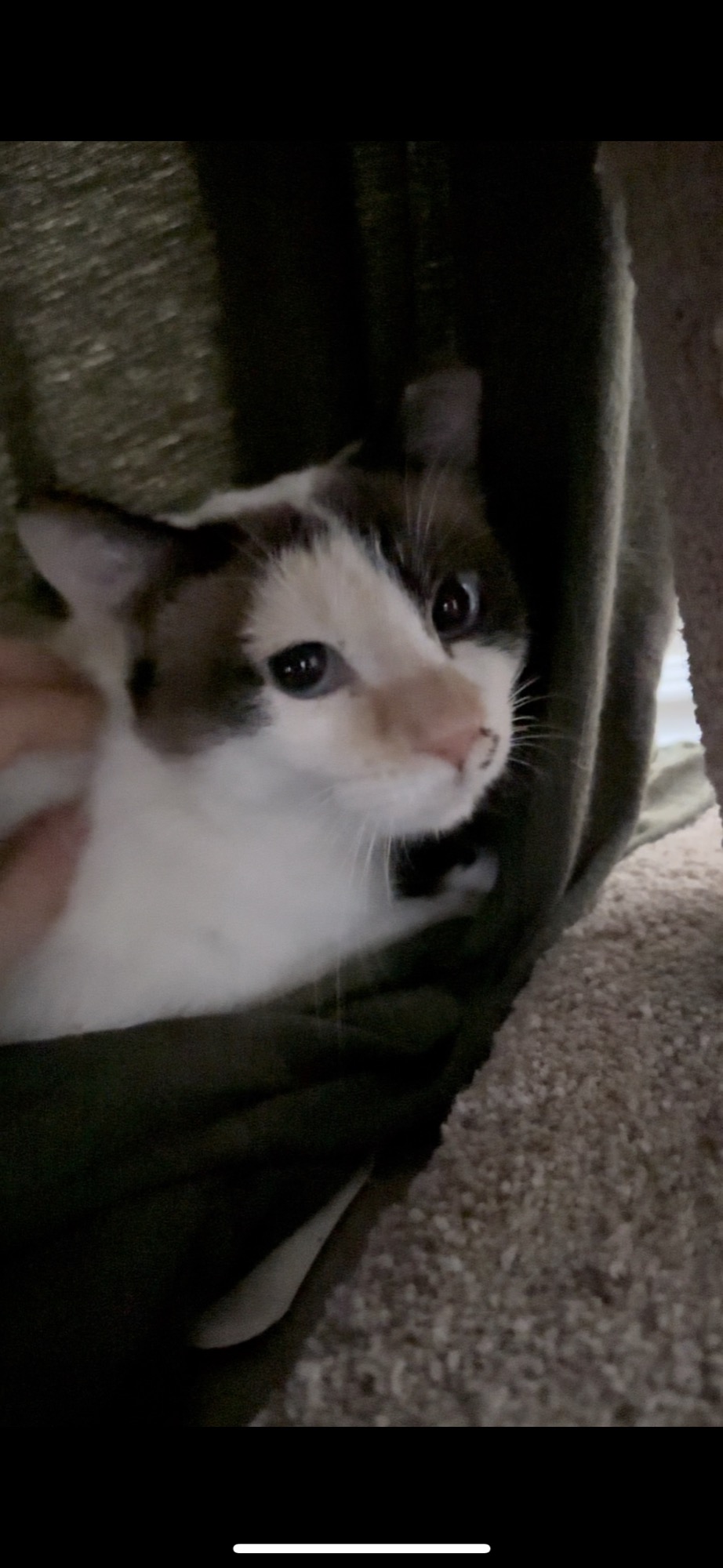
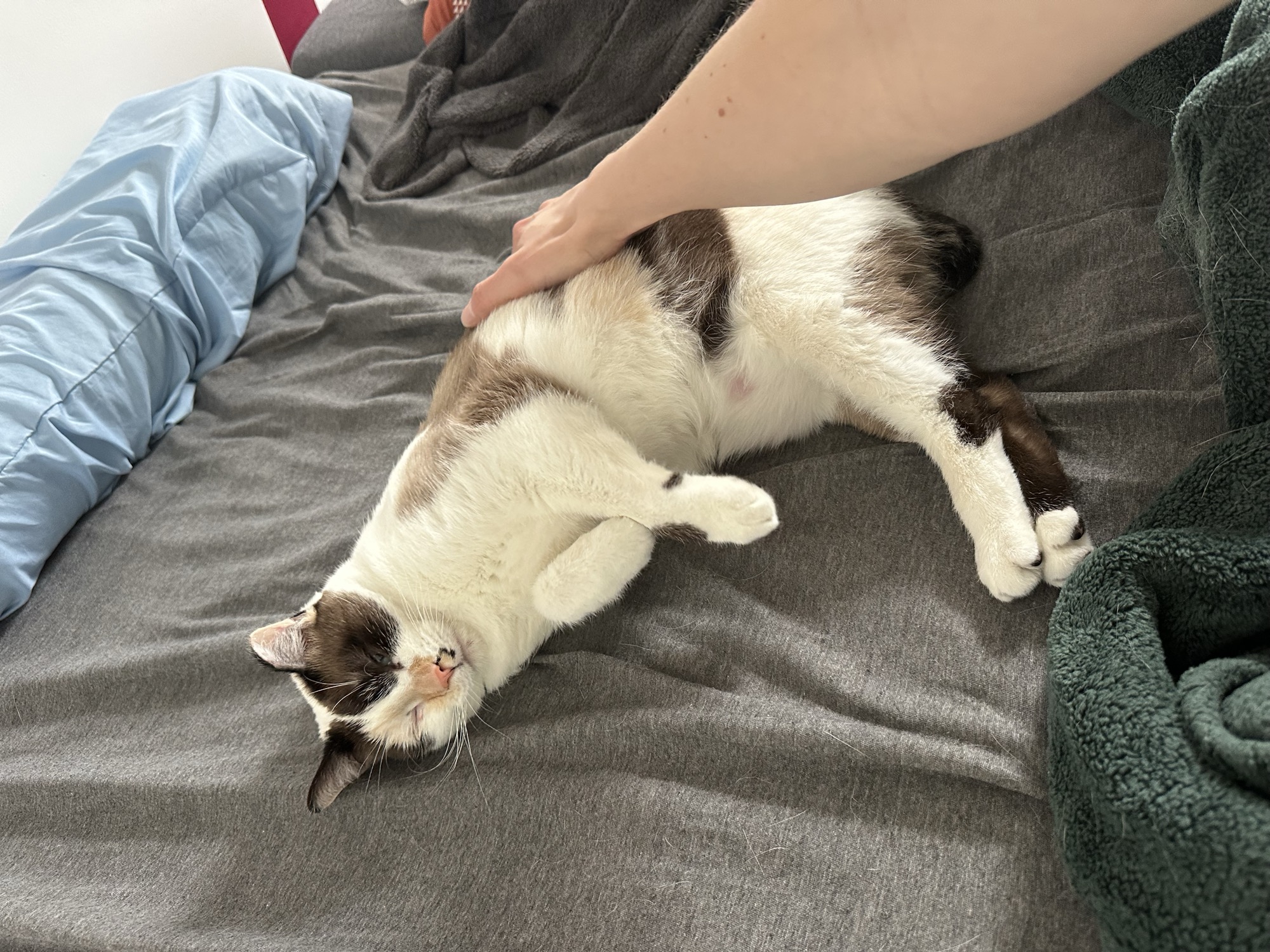
Coral — before & after
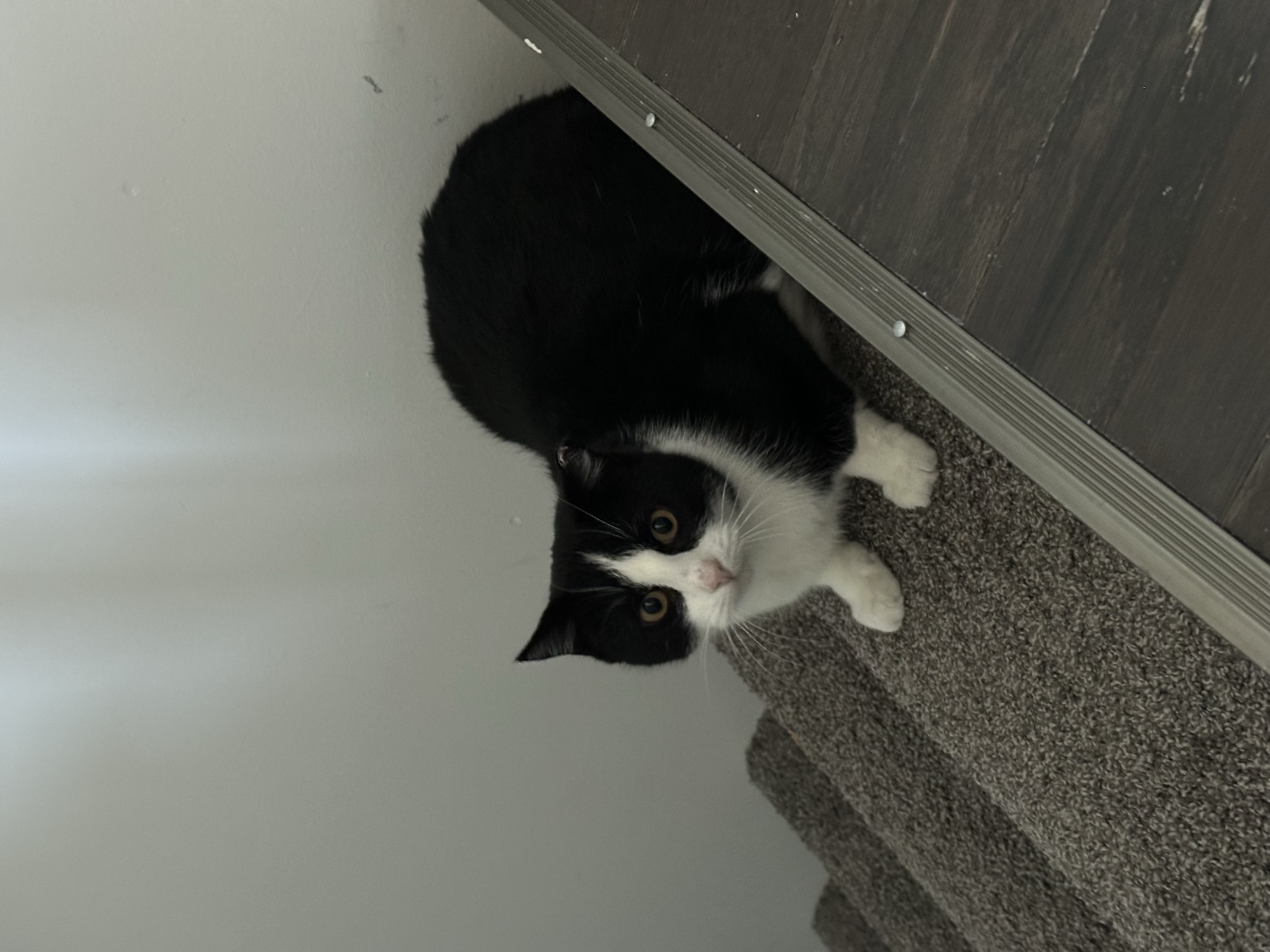
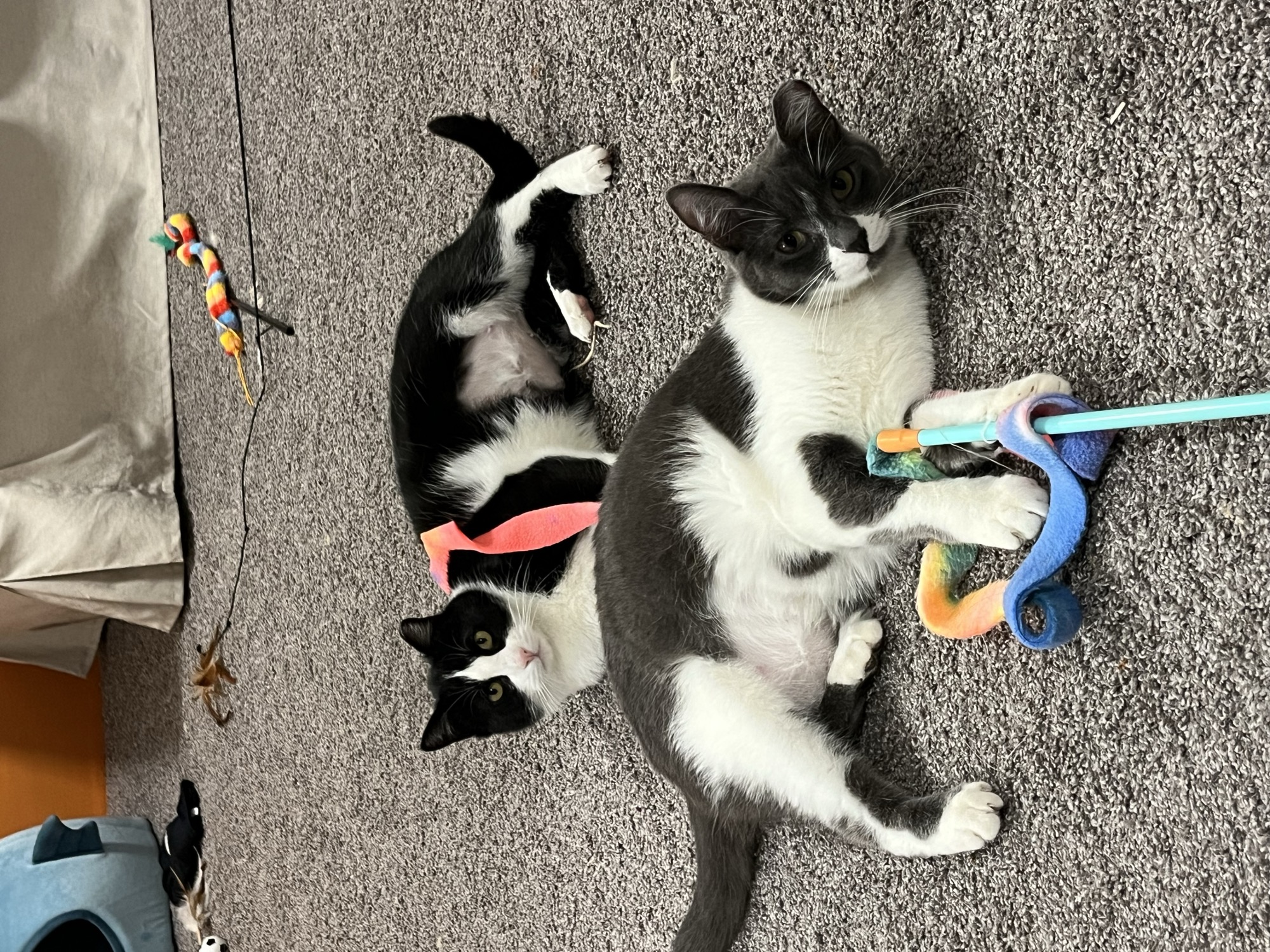
Luma — before & after
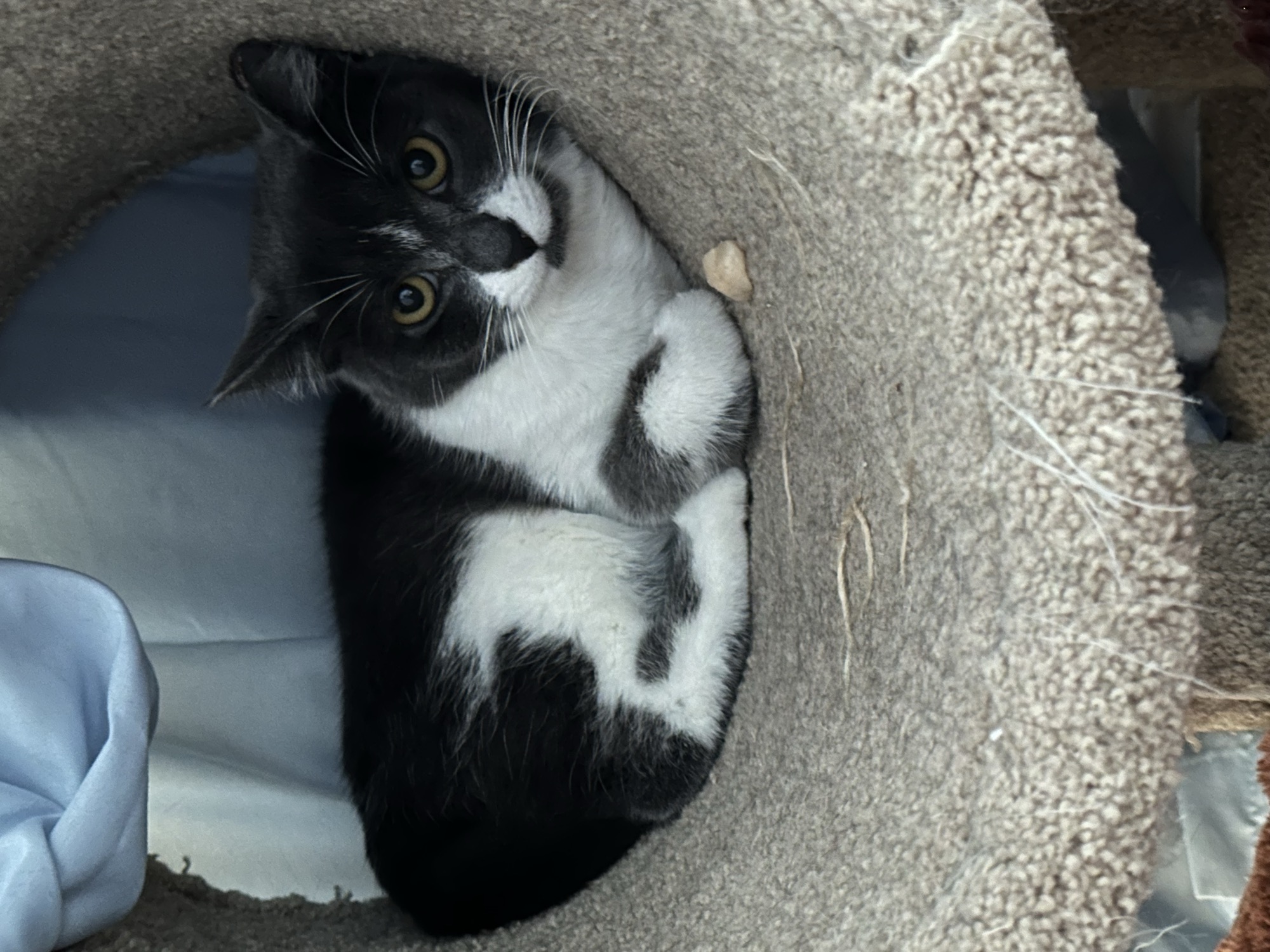
Mildura — before & after
Additional Fosters
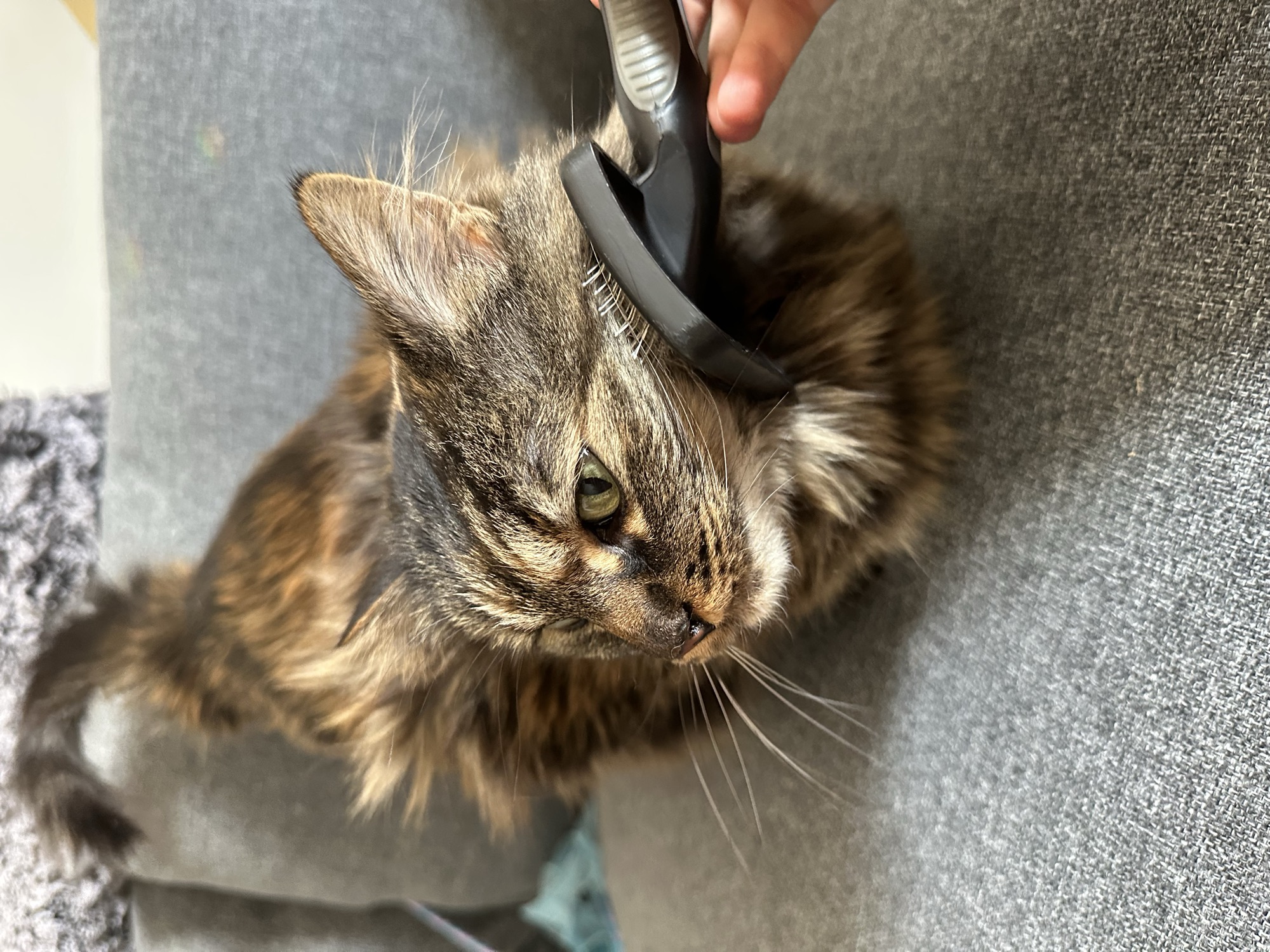
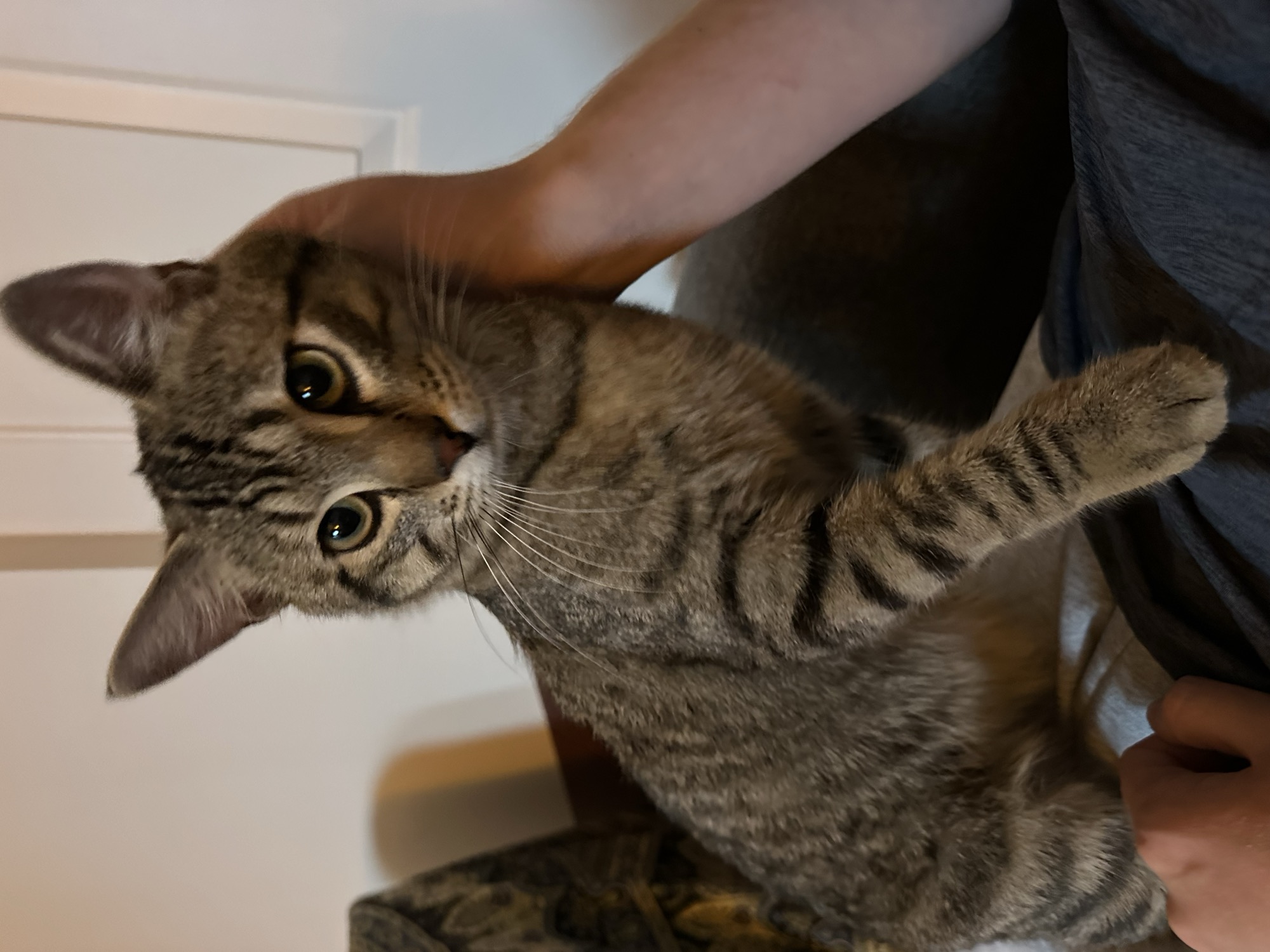
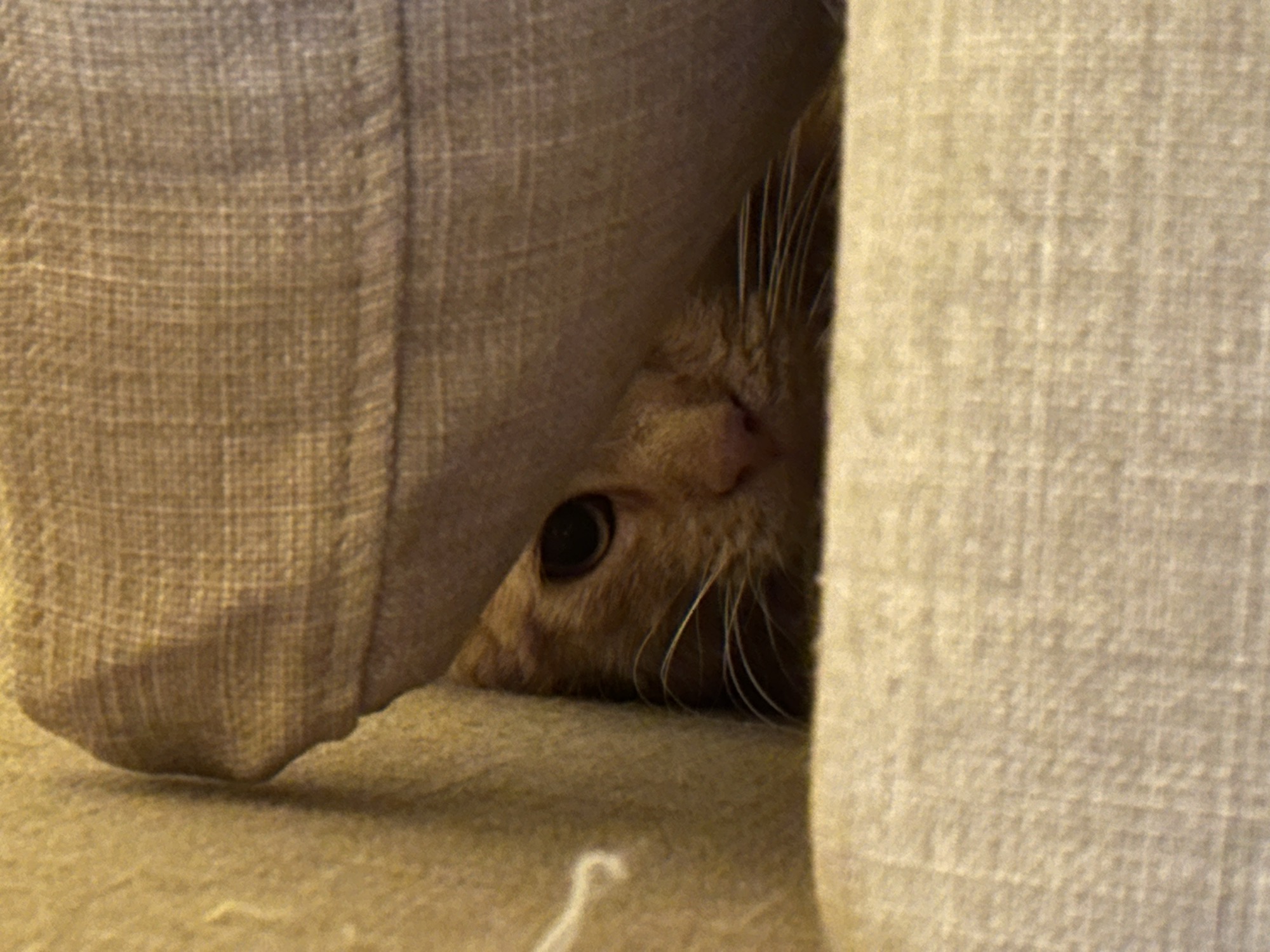
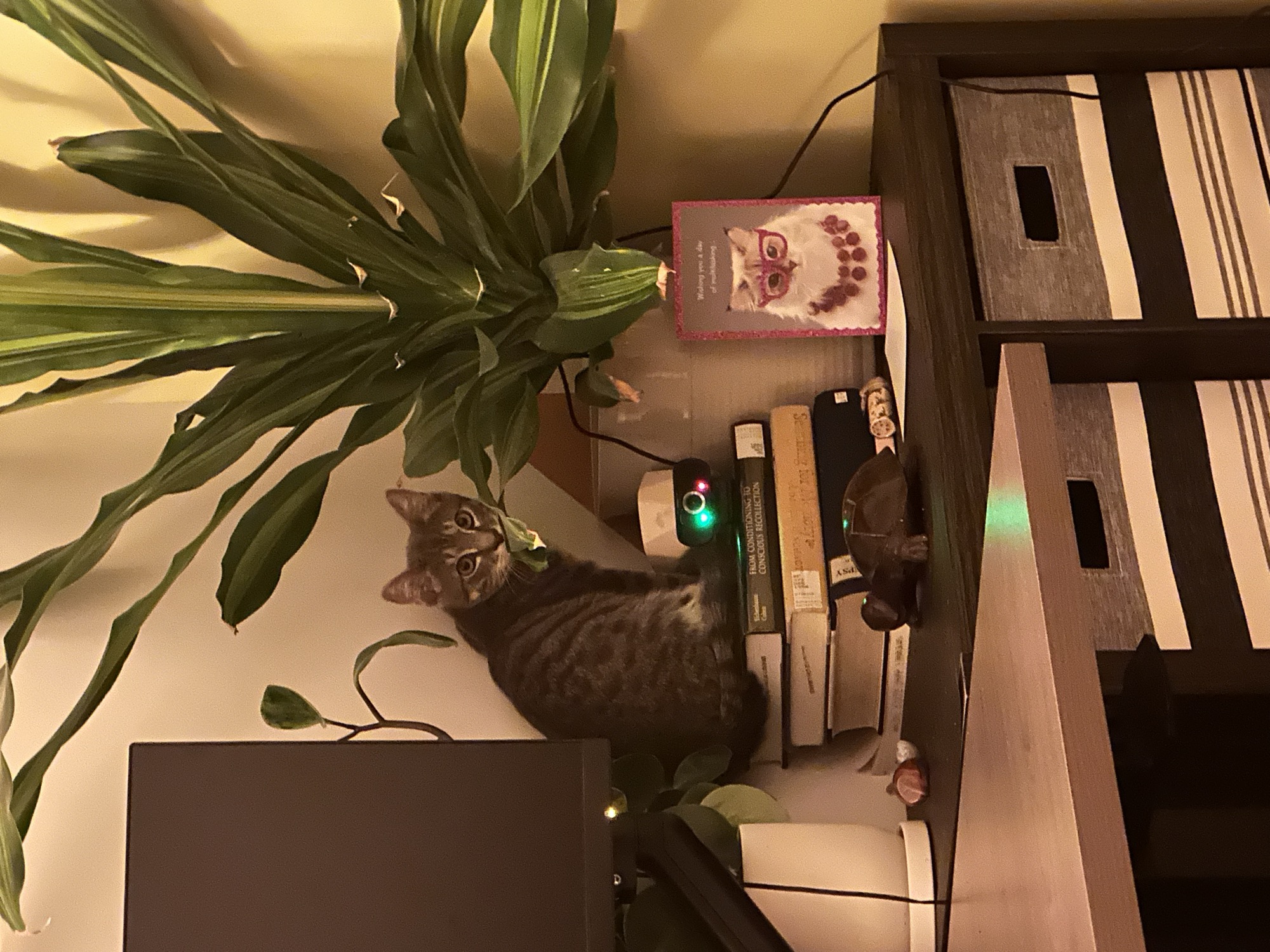
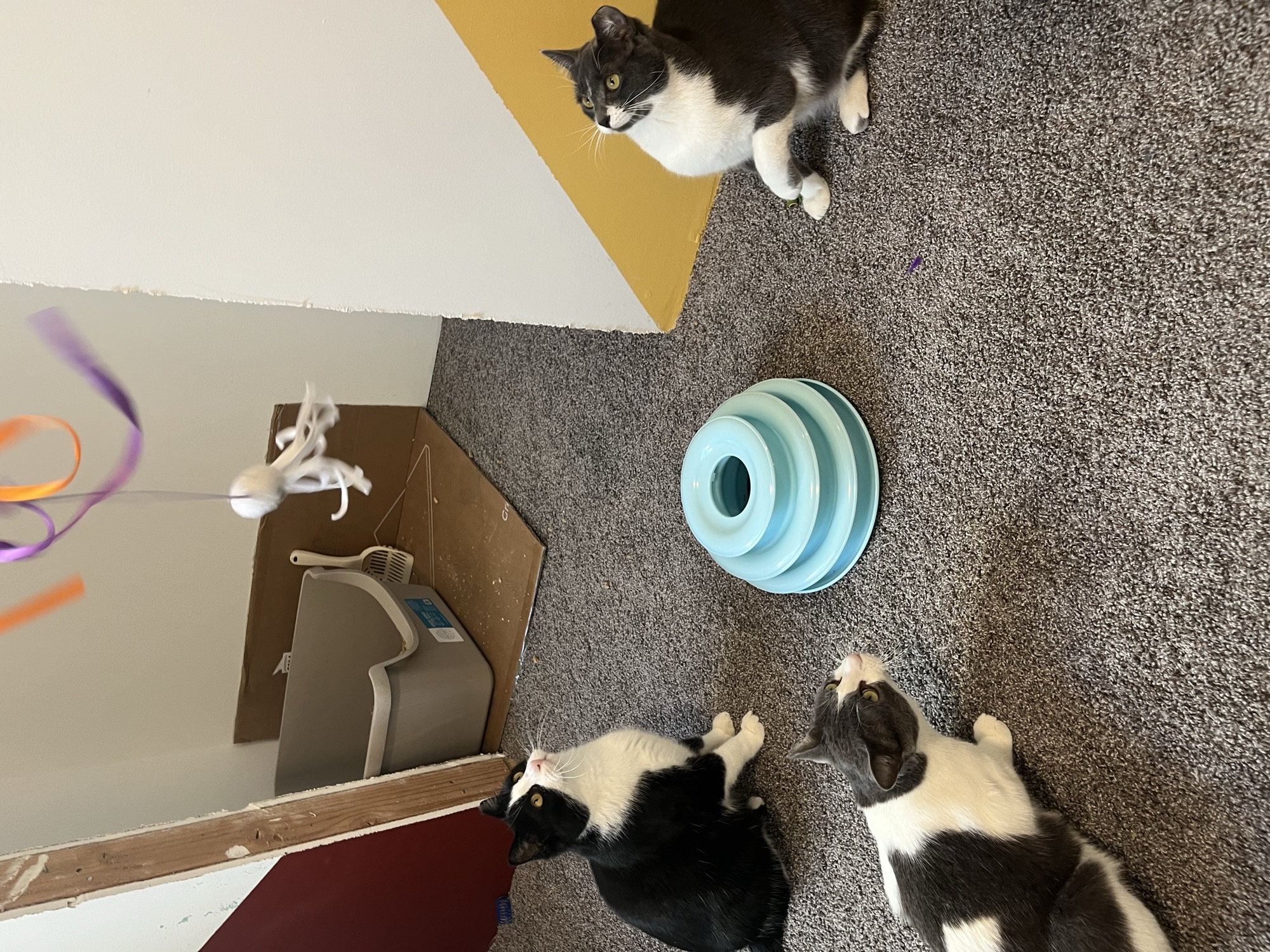
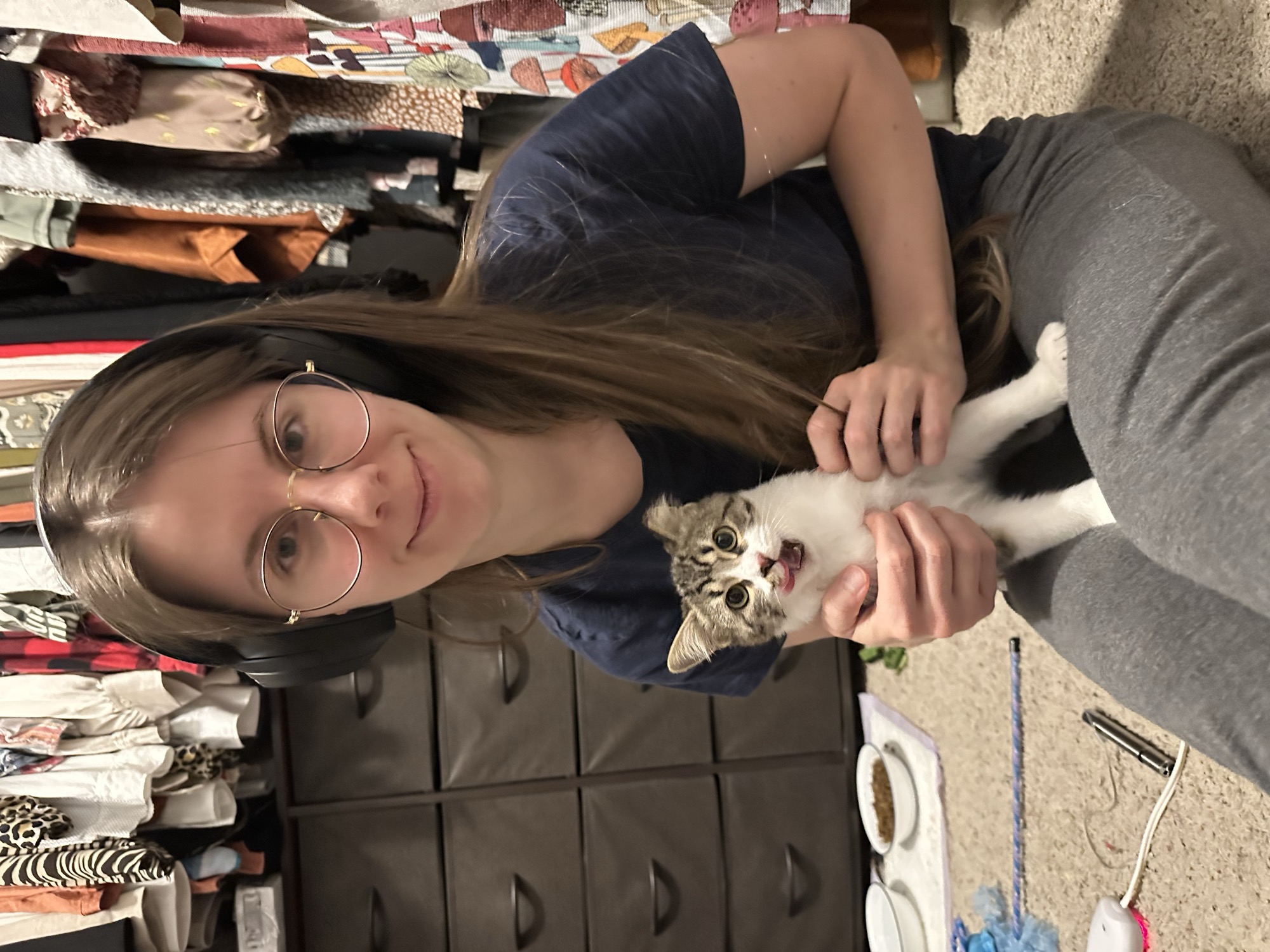
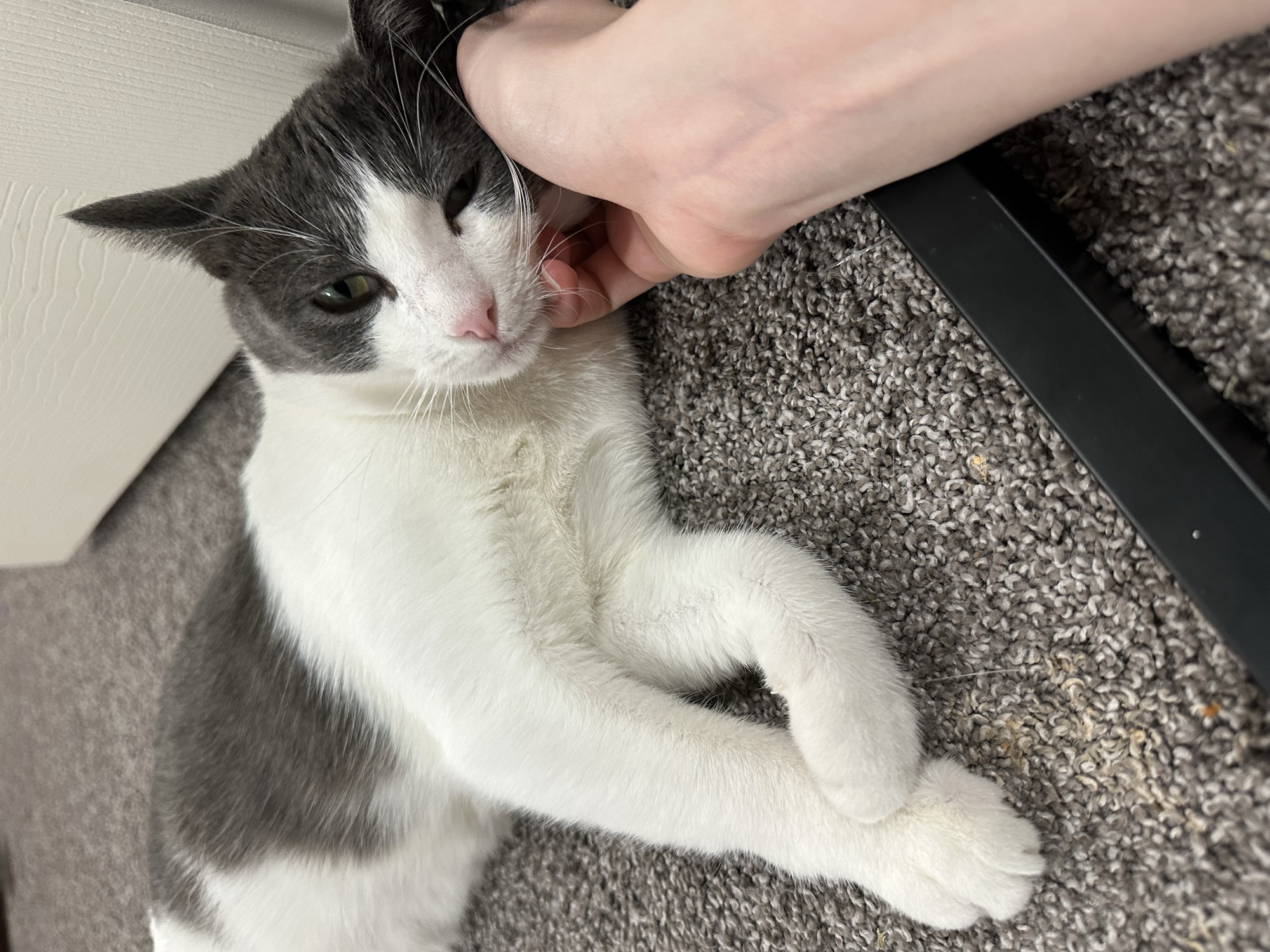
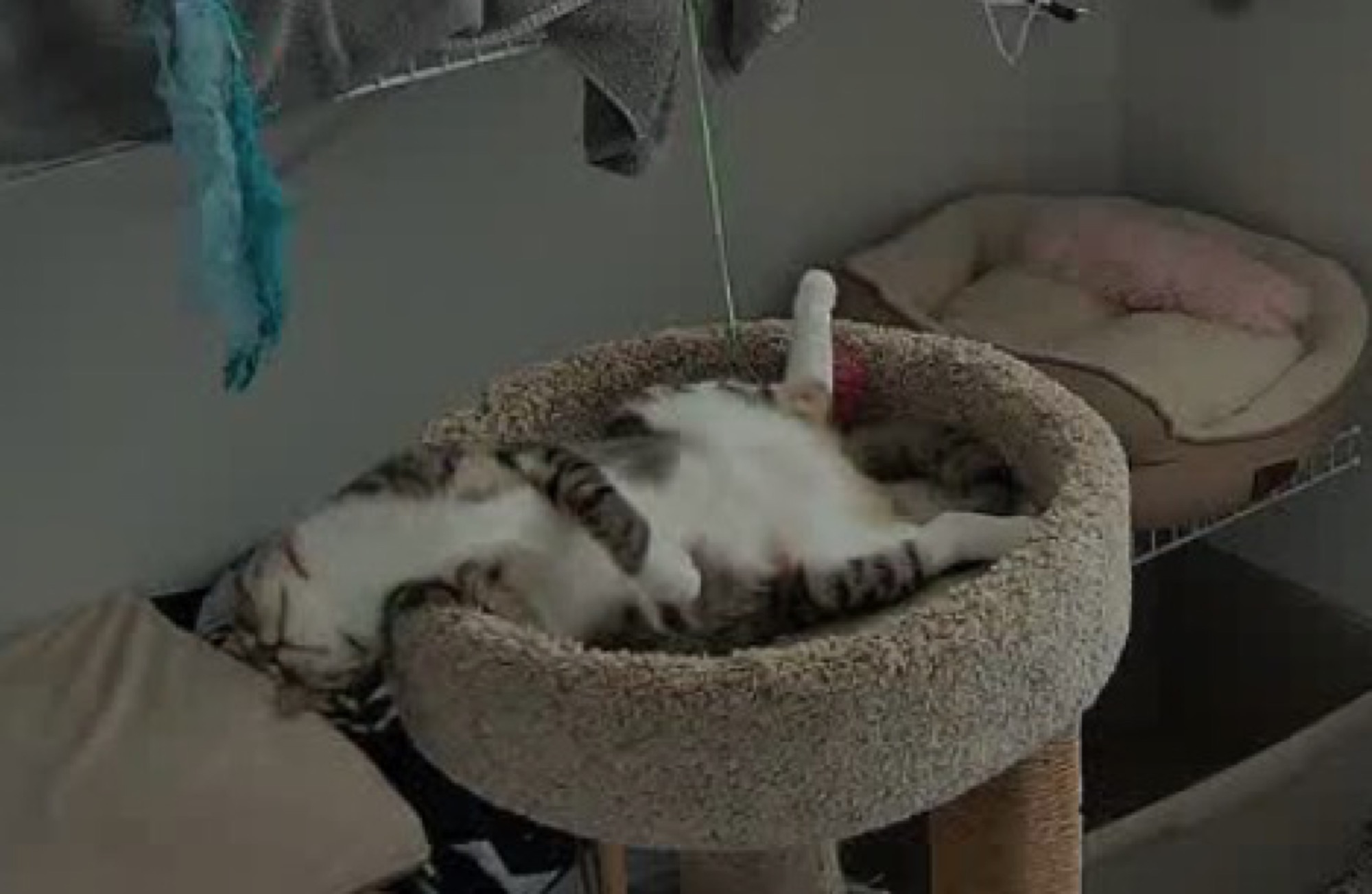
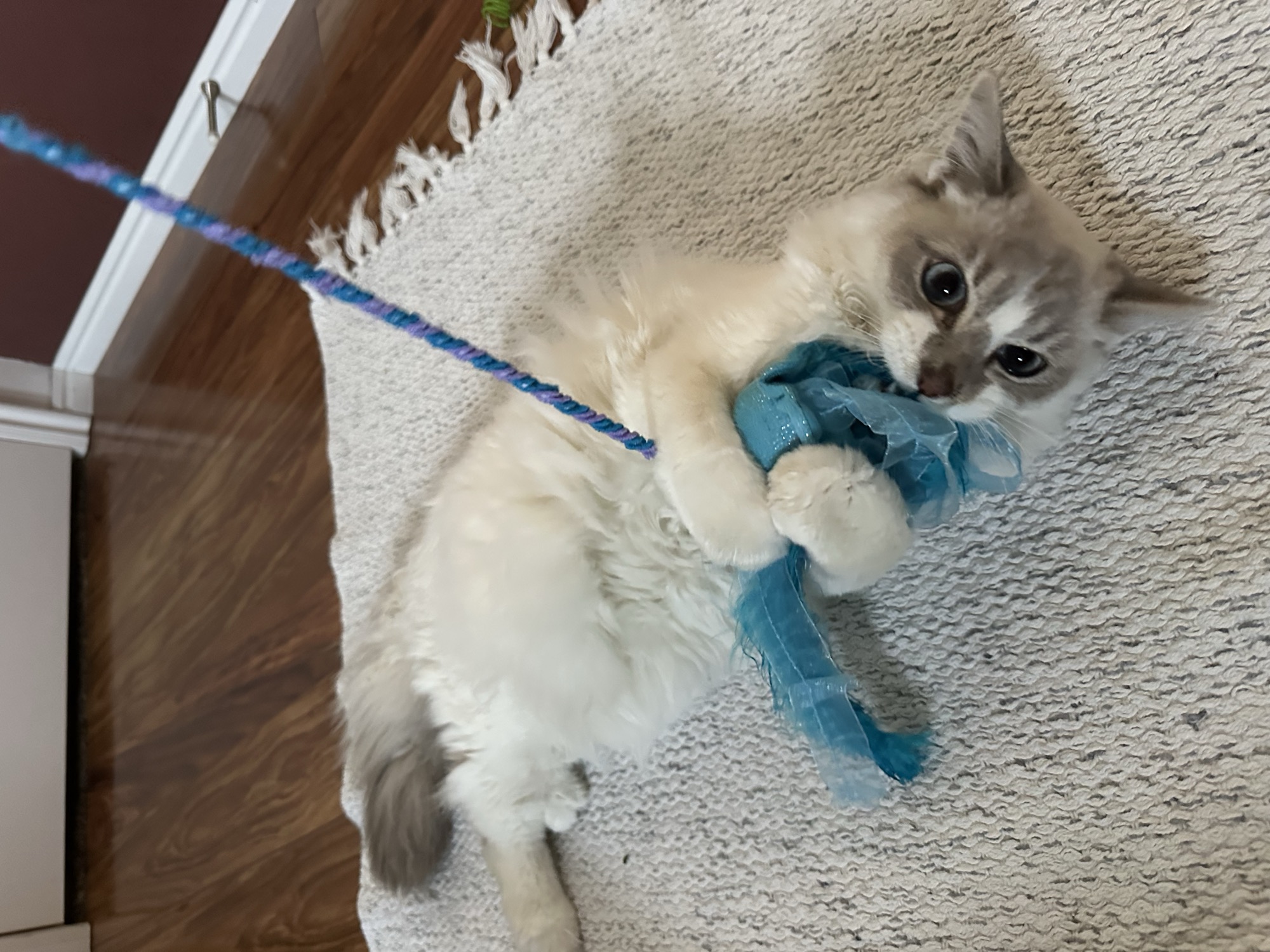
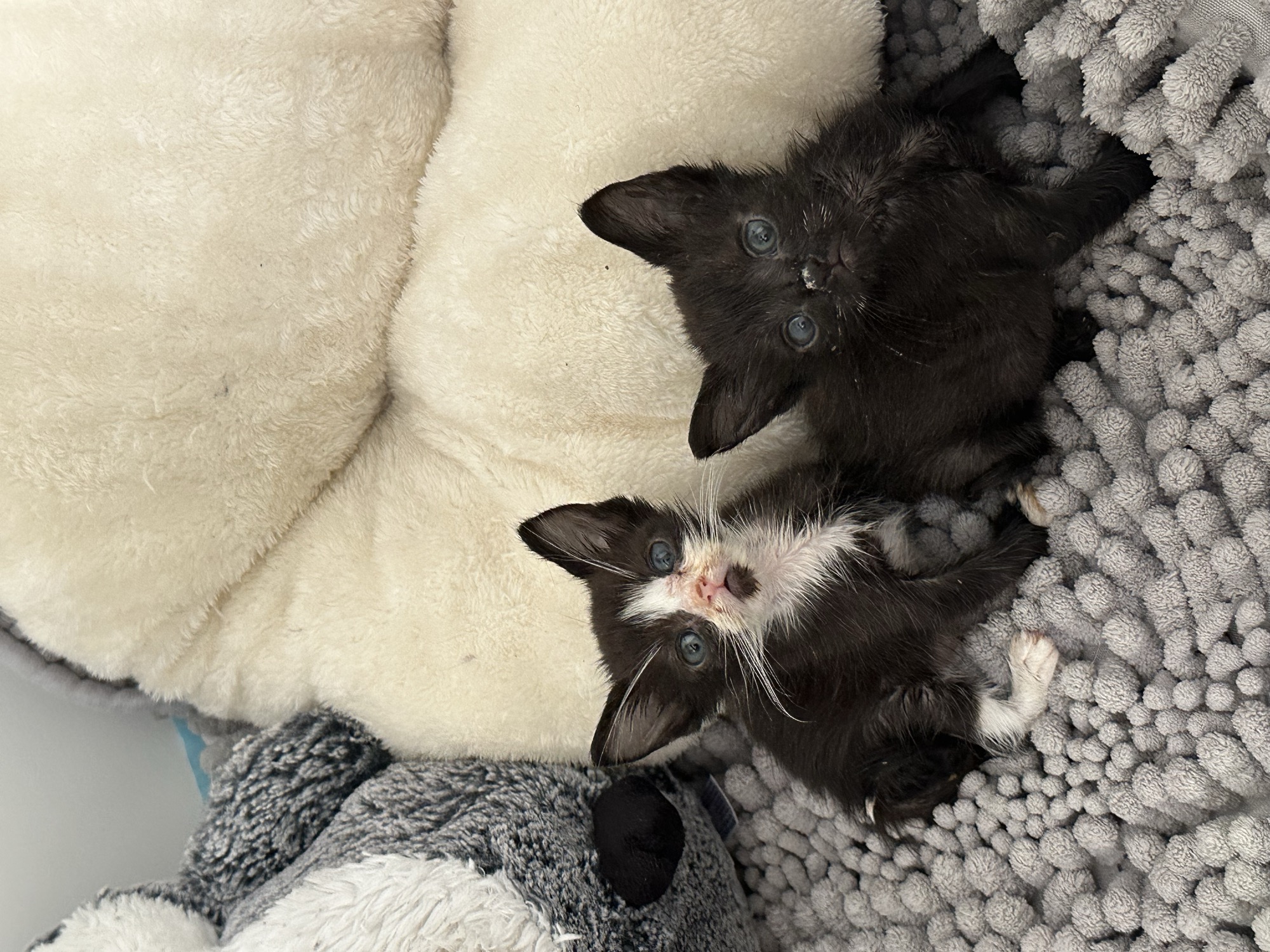
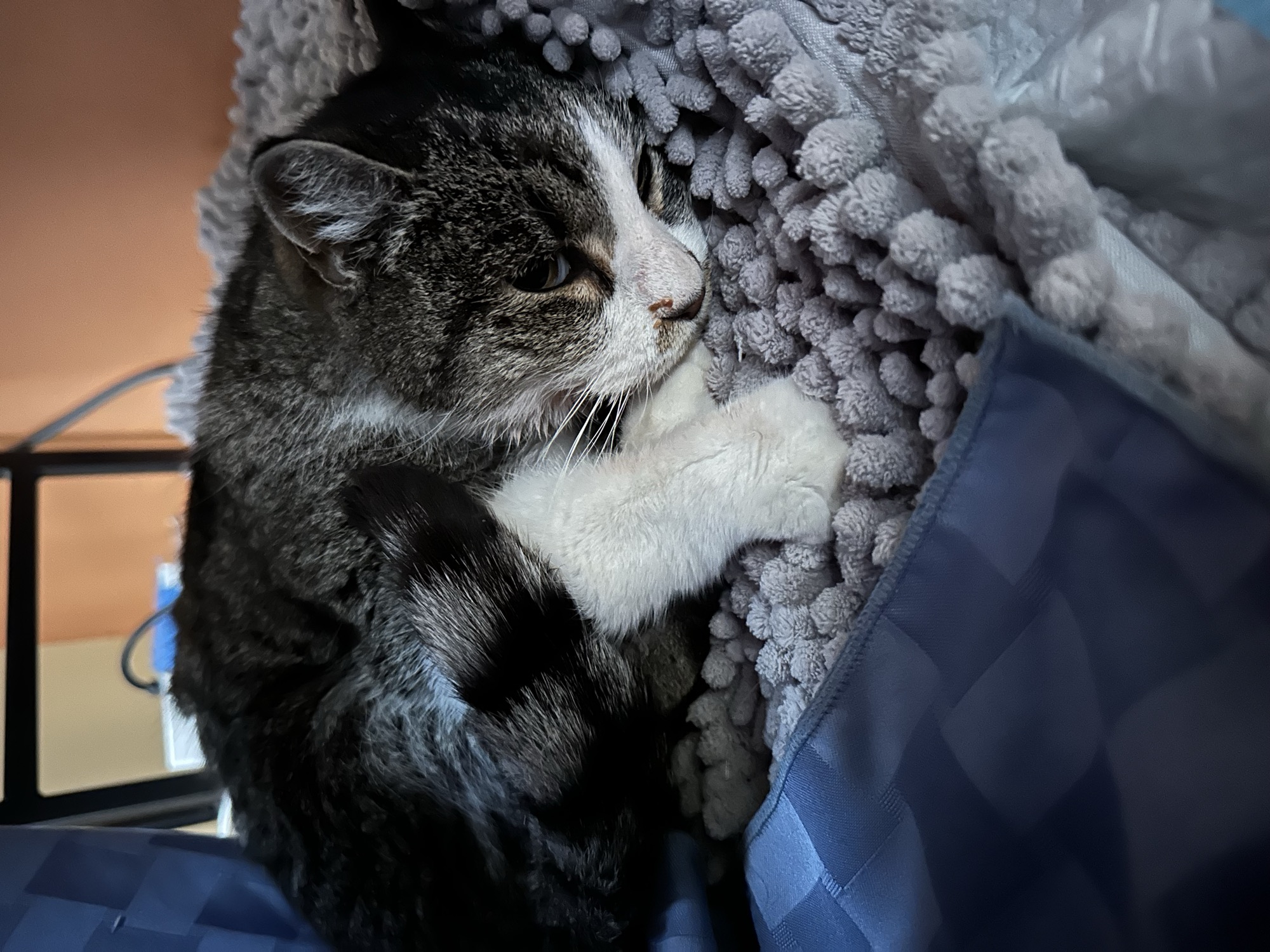
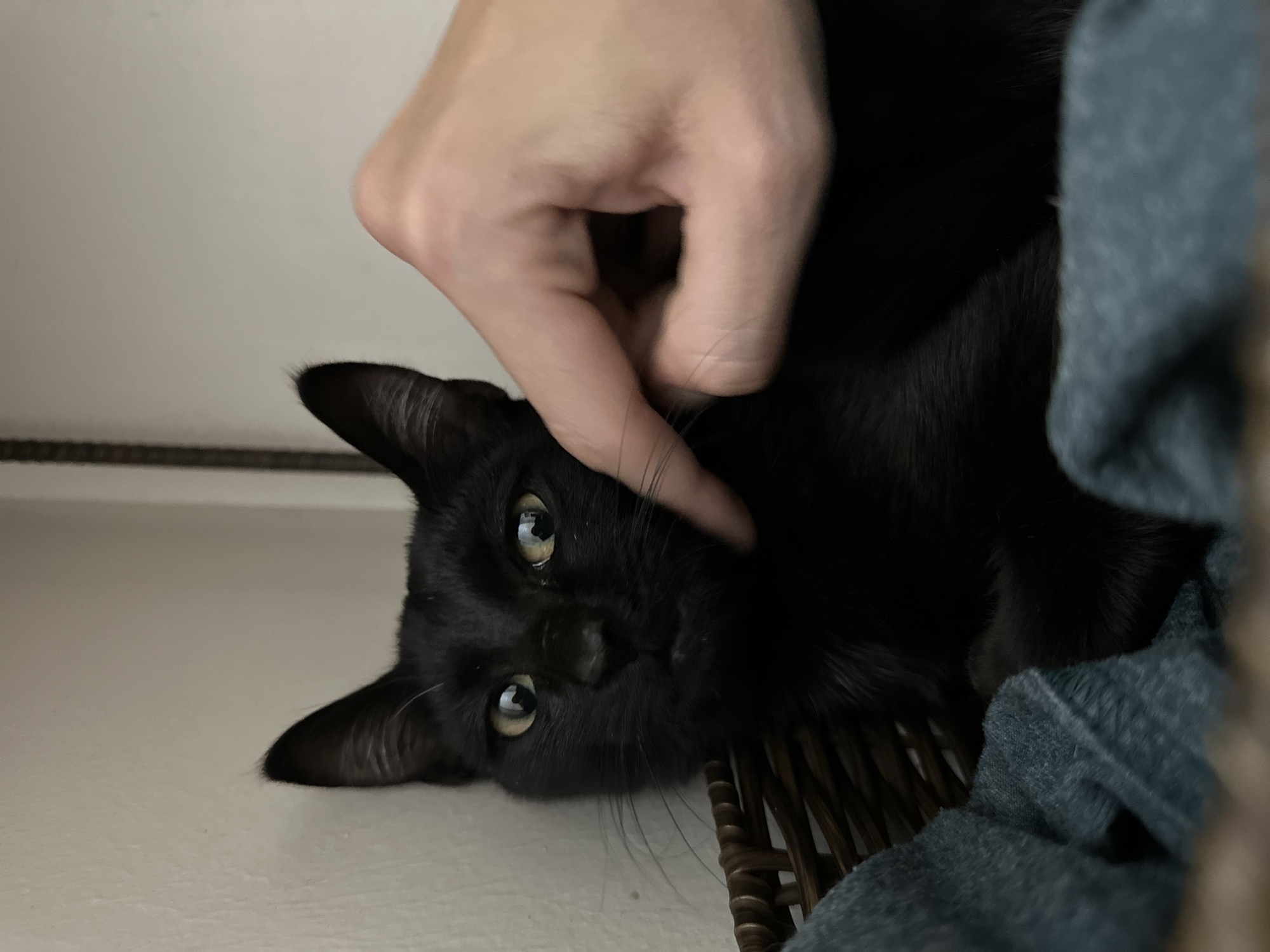
Videos of progress made with near-feral cats
Wildlife Rehabilitation
My volunteering started with a small, life-saving donation toward a bald eagle’s surgery after it was shot; the eagle recovered and was released back into the wild. I learned a tremendous amount from the owner, the vets, and the other senior volunteers there. My experience was hands-on from the beginning, across many different tasks, and I quickly learned to navigate a wide range of scenarios. I started with cleaning and organizing, then moved to observing and assisting in the operating room with animal care. As I learned new duties, I began guiding others in the roles I already knew. The work itself was fluid.
The amount of effort this non-profit puts in with such limited resources inspired me deeply, and I decided to bring my other skills to help. I transformed my grant-writing experience from neuroscience into wildlife rehabilitation — arranging sponsorships with companies, finding educational and community outreach opportunities for the center’s visibility, and designing merchandise for fundraising. My goal is to secure consistent funding for the Wildlife Center through multiple funding sources and sponsorships, so the staff can grow, and with it, the center’s capacity to rescue, rehabilitate, and release more animals into the wild.
Most importantly, the educational and community outreach efforts serve as hopeful, preventative work that may lead to policy changes across the greater Salt Lake City area. Caring for animals once they arrive at the center is only one part of the job — preventing harm to wildlife in the first place is the bigger mountain we’re climbing. I’m dedicated to helping reach that goal, and eager to keep learning about wildlife rehabilitation and reducing human impact on wildlife.
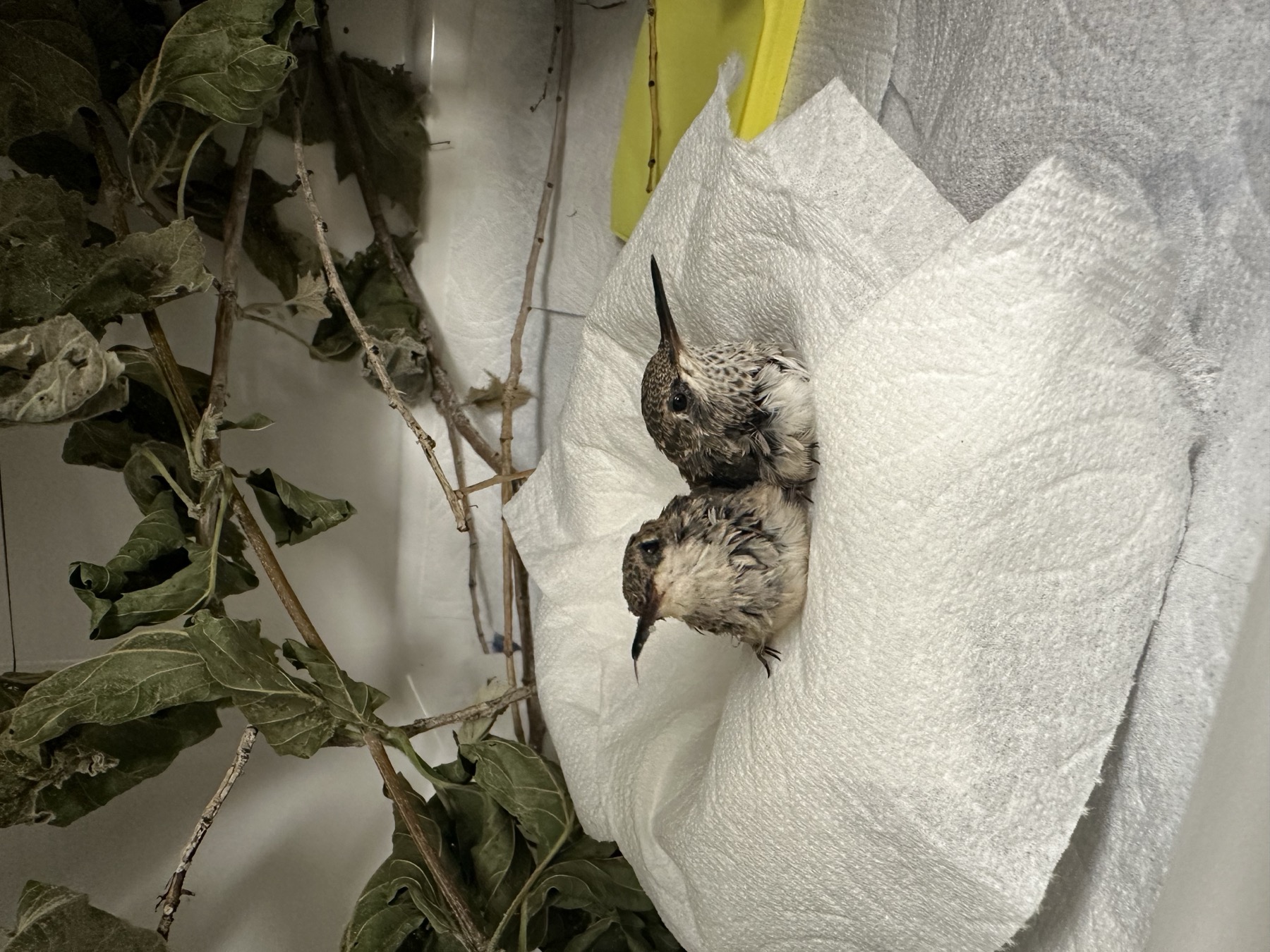
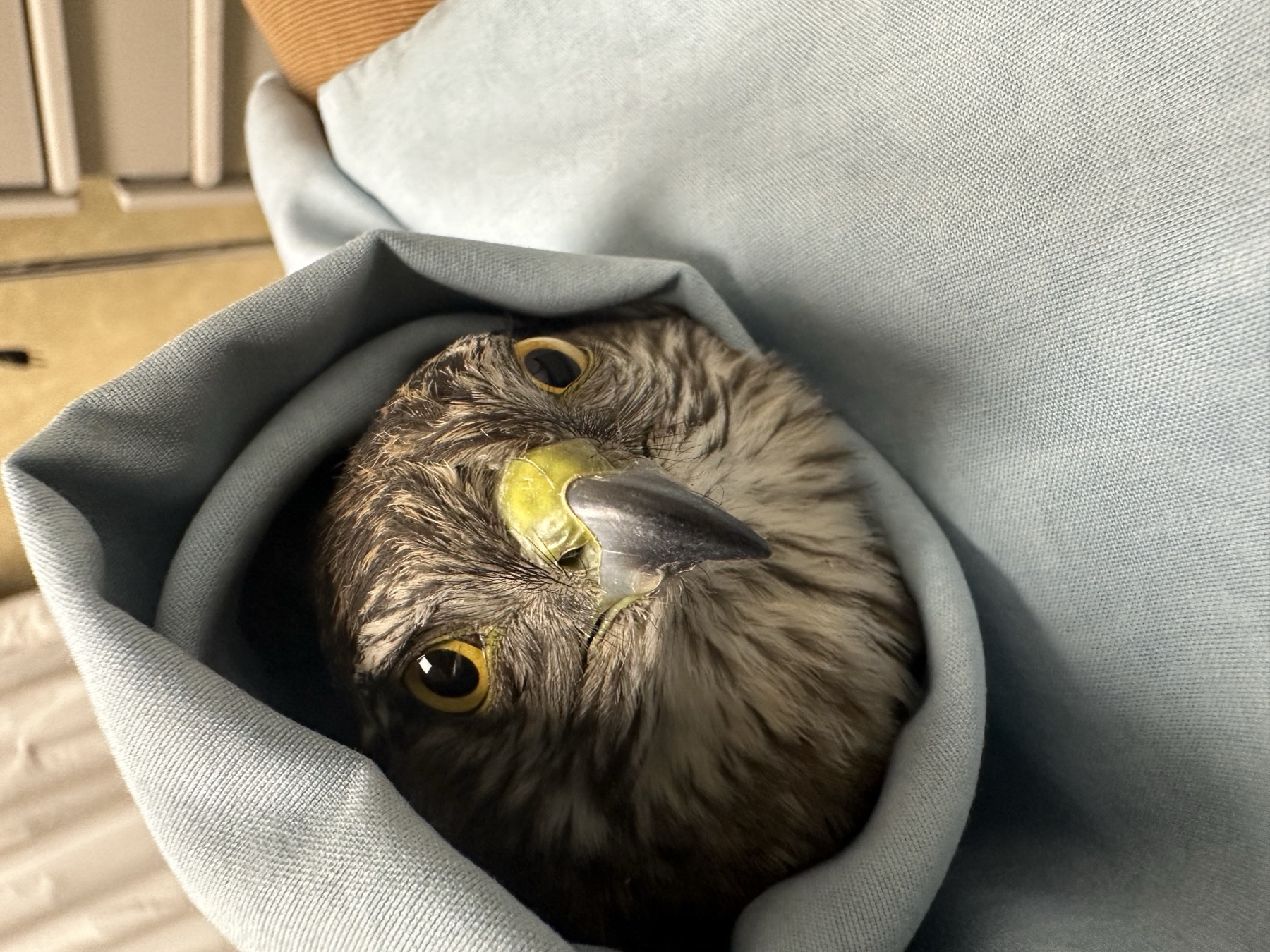
100% of my artwork sales support this same center
Every dollar from my artwork also goes to the Wildlife Center of Salt Lake.