Research

Memory Modulation in Humans

The majority of my doctoral work at the University of Utah’s INMAN Lab investigated why sometimes direct brain stimulation of the human amygdala enhanced memories and other times impaired memories or had no change in memory. My interests involved the patients’ demographic, neural, and medical profiles, which are understudied in the human memory enhancement with direct brain stimulation field. The main reason for this lack is the extremely rare subject pool of human patients with drug-resistant epilepsy who undergo surgery to implant electrodes into their brain to triangulate seizure activity. Our research is completely voluntary while the patients are under clinical care, and we do not dictate where the electrodes are implanted; therefore, our participants are unique in many ways. Through the five years of my doctoral research I discovered that patients with poorer existing long-term memory capacity are more vulnerable to amygdala stimulation, and males compared to females are more likely to have memory enhancement from the stimulation (Hollearn et al., 2024). In my more recent works I discovered that the entorhinal and perirhinal cortices are the most affected by amygdala stimulation at multiple timepoints, leading to changes in memory at both single trials and across trials (Hollearn et al., in prep). Perhaps with more research these undersampled regions may serve as a future biomarker of differentiating memory enhancement practices from memory impairment when stimulating the amygdala. Finally, I discovered that the combination of amygdala stimulation and hippocampal interictal epileptic activity, especially bilaterally, results in the most extensive subsequent memory loss (Hollearn et al., in prep). Because of my findings on differentiating memory enhancement from impairment, I also wrote a review paper on which patient characteristics (e.g., demographic, medical, and neural) should be accounted for or investigated based on my and other preliminary findings from animal and human models (Hollearn & Inman, under review).

In addition to human brain stimulation work, I was involved in naturalistic learning and spatial navigation research in the same lab. Here we tested event segmentation of first-person perspective continuous videos of people navigating a real environment that shifted between indoors and outdoors. Across several subject pools, we tested event segmentation ability on undergraduate students and patients with brain stimulators (Responsive NeuroStimulator) for epilepsy. Neural results from these patients’ hippocampus during navigation have revealed intriguing patterns we have never considered before. In addition, the participants who navigated the route wore additional biomarker sensors to track heart rate, breathing, skin conductance, eye-tracking, and velocity. This comprehensive capture of the navigating humans between indoor and outdoor spaces will help answer basic scientific questions about perception, memory, navigation, event segmentation, and naturalistic learning from biometric and direct hippocampal neural recordings. While carrying the weight of my graduate work’s demands amongst personal challenges, I gained vital professional, management, and research skills that I intend to embed into my future career. I grew very fond of teaching and deepened my scientific communication skills through extensive outreach efforts. The faculty and peer support from my lab was some of the most unforgettable experiences that ensured me that science is a collaborative effort.

Prior to entering graduate school, I worked at the University of California, Irvine in the Translational Neurobiology lab. Here my main duties involved recruitment and data collection of healthy older adults’ cognitive tests, collecting saliva and blood samples, assisting in PET scans, and operating an MRI machine to gather functional and structural scans. While my data analysis skills were not well-developed yet at this time, I learned a lot about proper project management and data acquisition skills, and I mentored dozens of students in data entry and small projects so they could get involved in research. Some of my most amazing memories learning about and conducting research come from this lab and the inclusive and highly collaborative setting I was placed in. My experience in this lab set my expectation for how science should be done.

During my undergraduate years at California State University, Long Beach, I was advised by two professors with whom I pursued very different projects. For one of the projects, I surveyed undergraduate peers on personality and academic achievement and concluded that academic self-efficacy is negatively associated with class dropout rates, which pinpoints a unique behavior that academic advisors may use to evaluate student success (Domingo & Hollearn, 2022). The other project involved observing undergraduate students’ ability to switch between multiple tasks while driving with an automated driver. We concluded that switching tasks is most difficult when taking over from automation because the driver must monitor what the automation is doing, therefore taking on the driving task at double weight and monitoring more extensively to avoid collision (Hollearn & Miles, 2019). This preliminary research was a helpful foundation to build more extensive tasks on humans’ ability to interact with automated machines and safely carry out a driving task.

Concurrent with these ongoing projects, I completed two cellular neuroscience internships, one at the Yale School of Medicine and another at the University of California, Irvine. These projects involved mouse models of anxiety biomarkers, one with retrograde tracer injections and the other of co-localization of two proteins in pre- and post-synaptic space of newborn and teen mice. I pursued these projects to get more cellular neuroscience experience, and I shifted to human cognitive neuroscience because I was not entirely comfortable with conducting animal research. I recognize the immense value of animal studies, whose discoveries serve as the backbone of our theories on human cellular neuroscience and countless life-saving medications. Yet I prefer to work with humans because I can ask my participants questions while also measuring their responses.
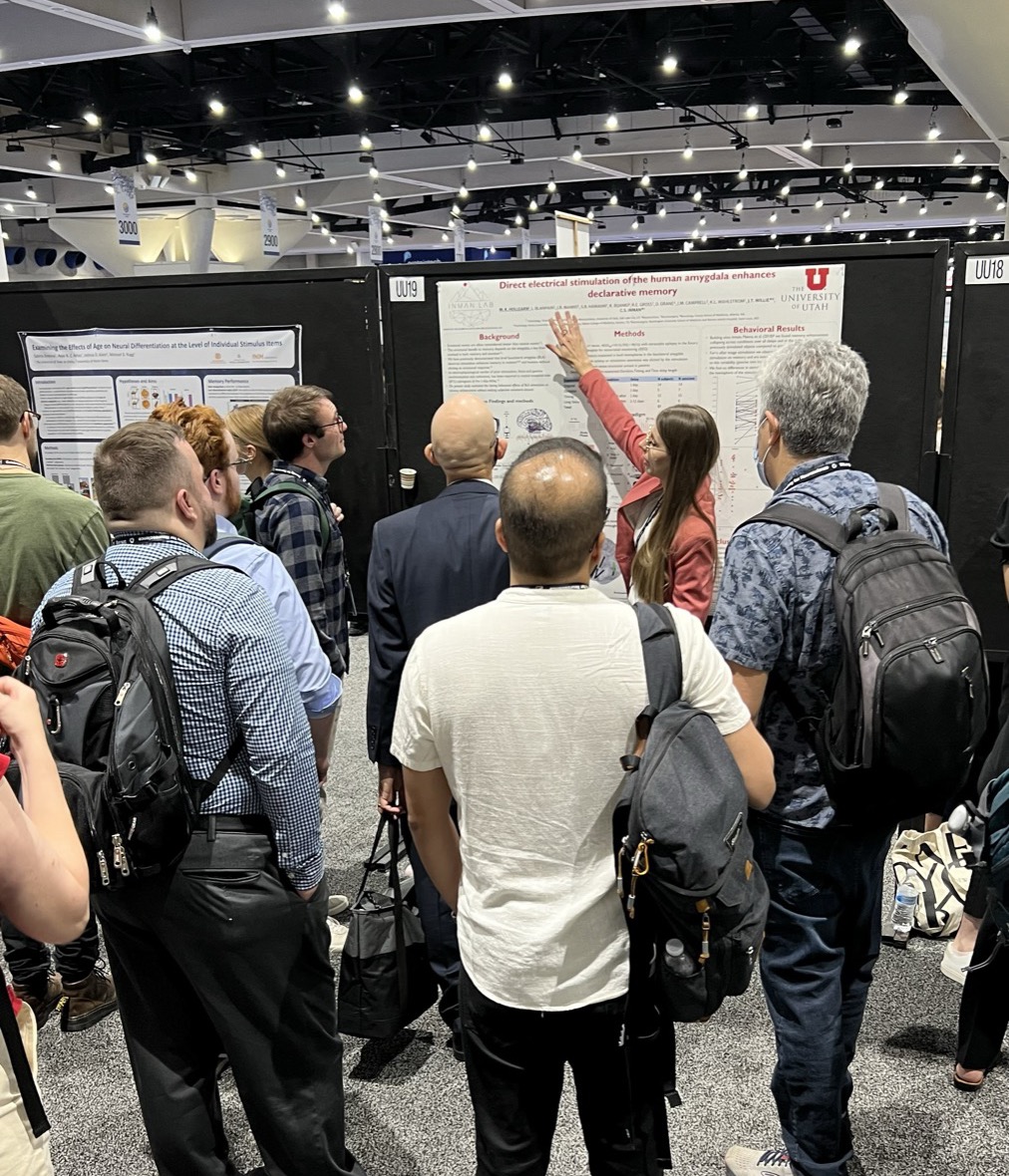
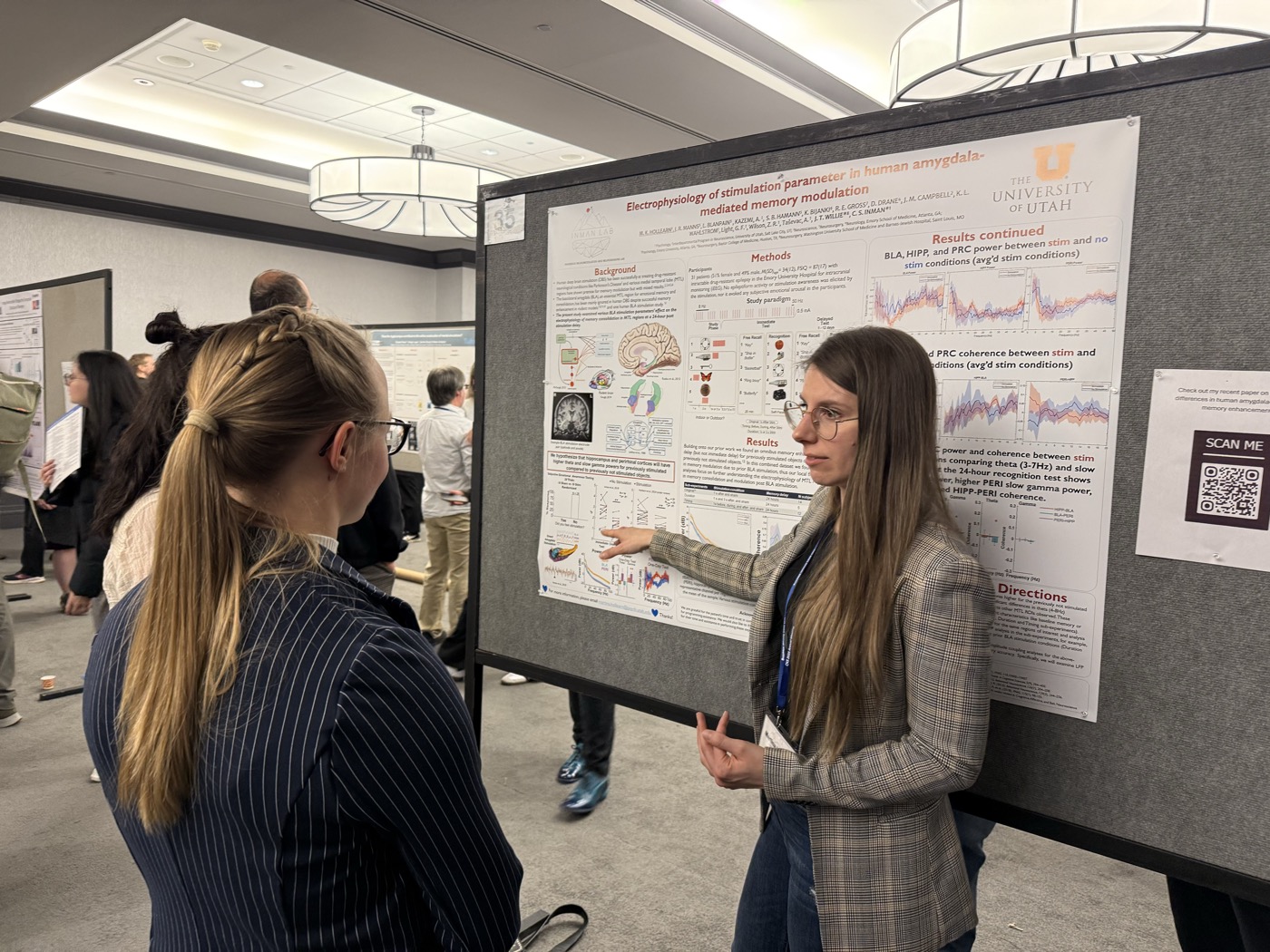
Selected Conferences 2023–2025

Examples of Research Posters 2017–2025

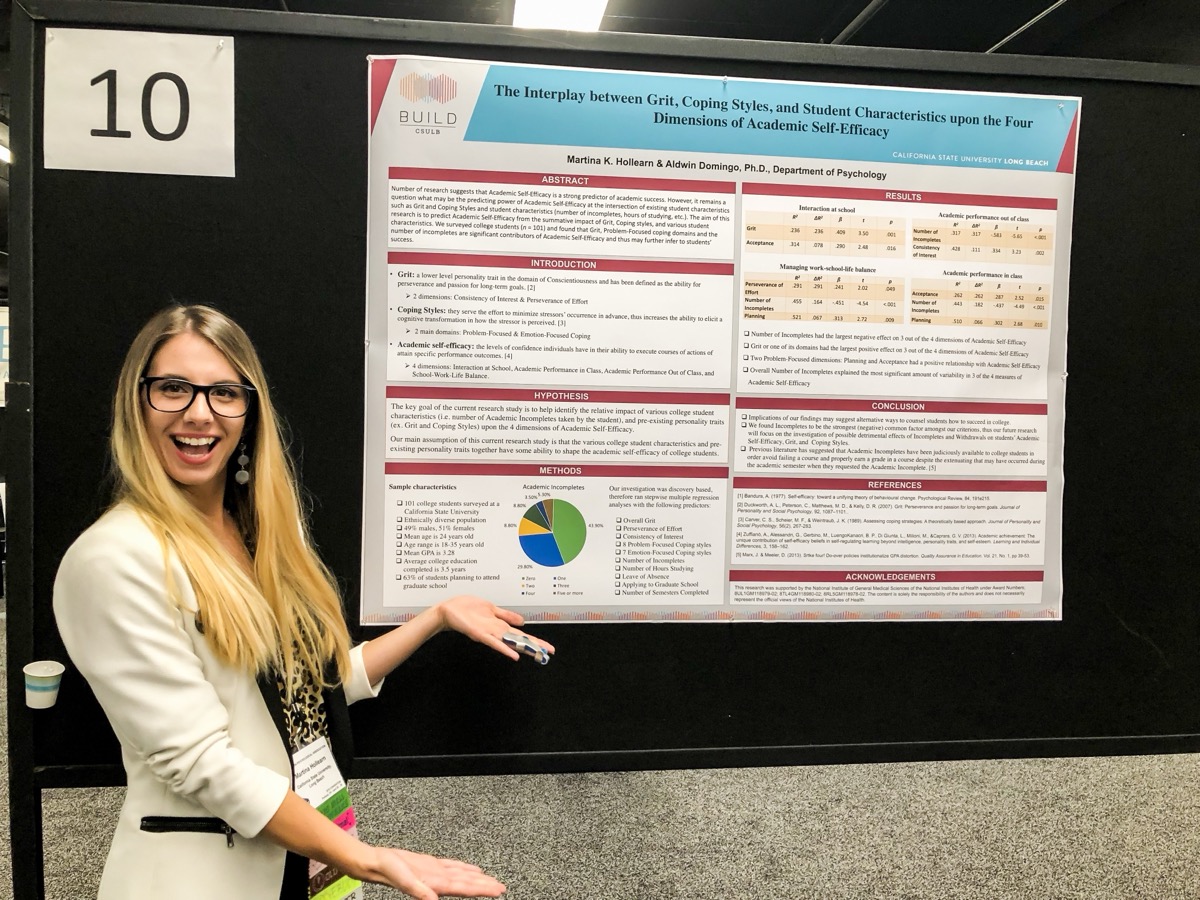
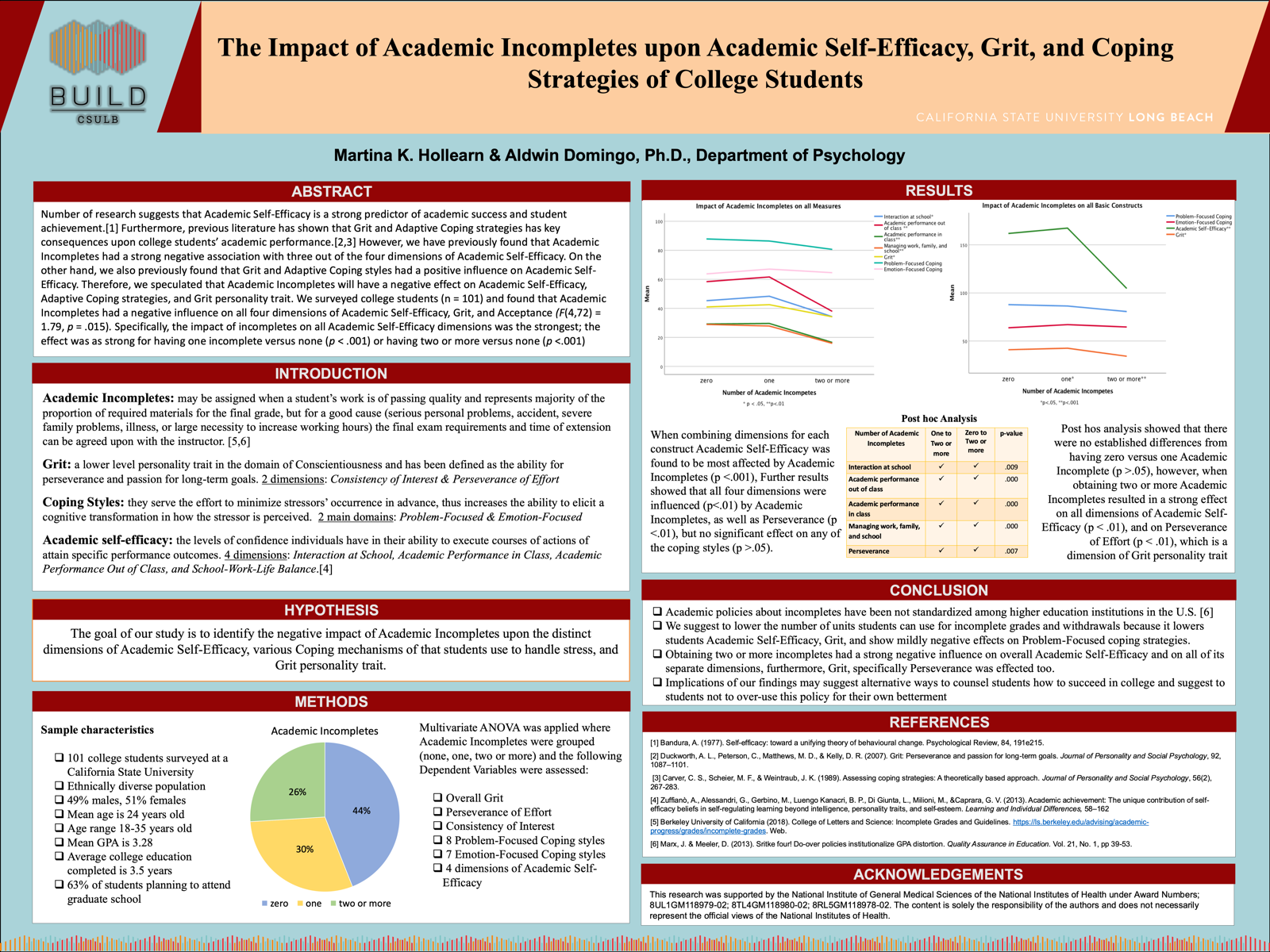
The Impact of Academic Incompletes upon Academic Self-Efficacy, Grit, and Coping Strategies of College Students poster

The Impact of Academic Incompletes upon Academic Self-Efficacy, Grit, and Coping Strategies of College Students

A survey of 101 college students showing that taking two or more incomplete grades was linked to lower confidence across all four dimensions of academic self-efficacy, and to lower perseverance of effort.

Association for Psychological Science — 2017 · Download PDF

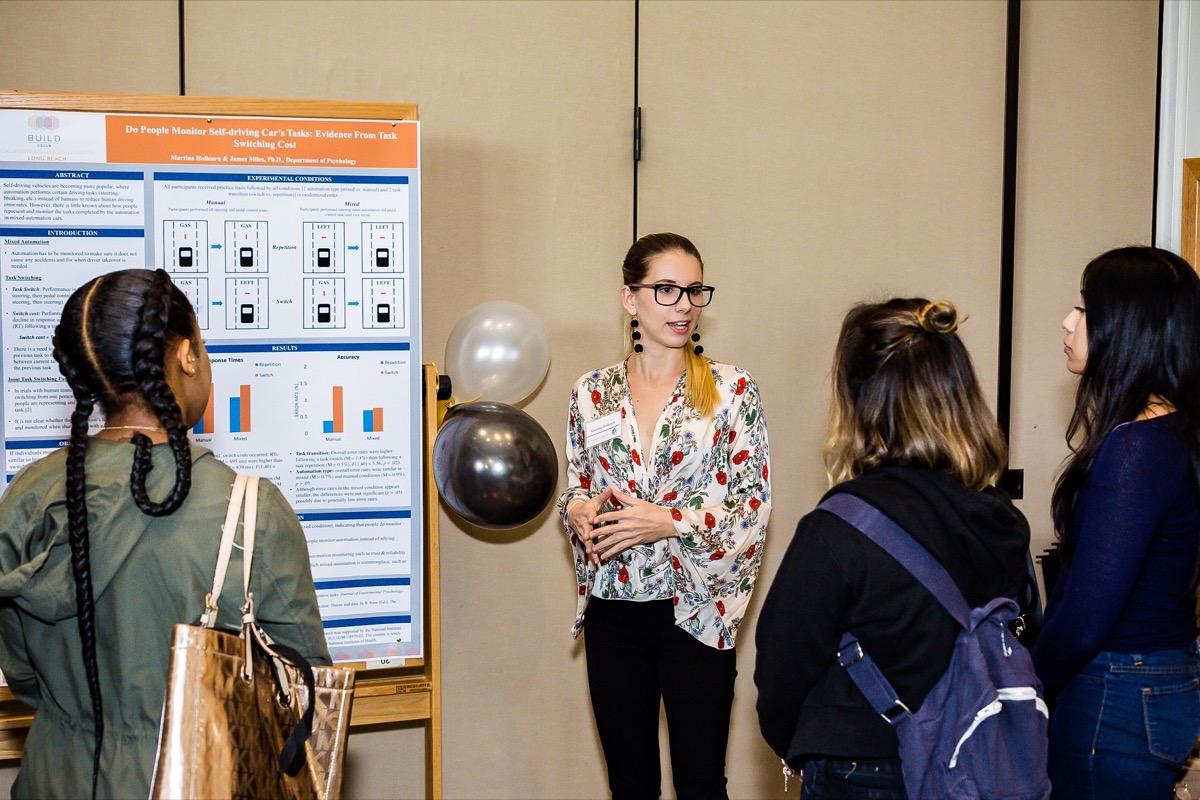
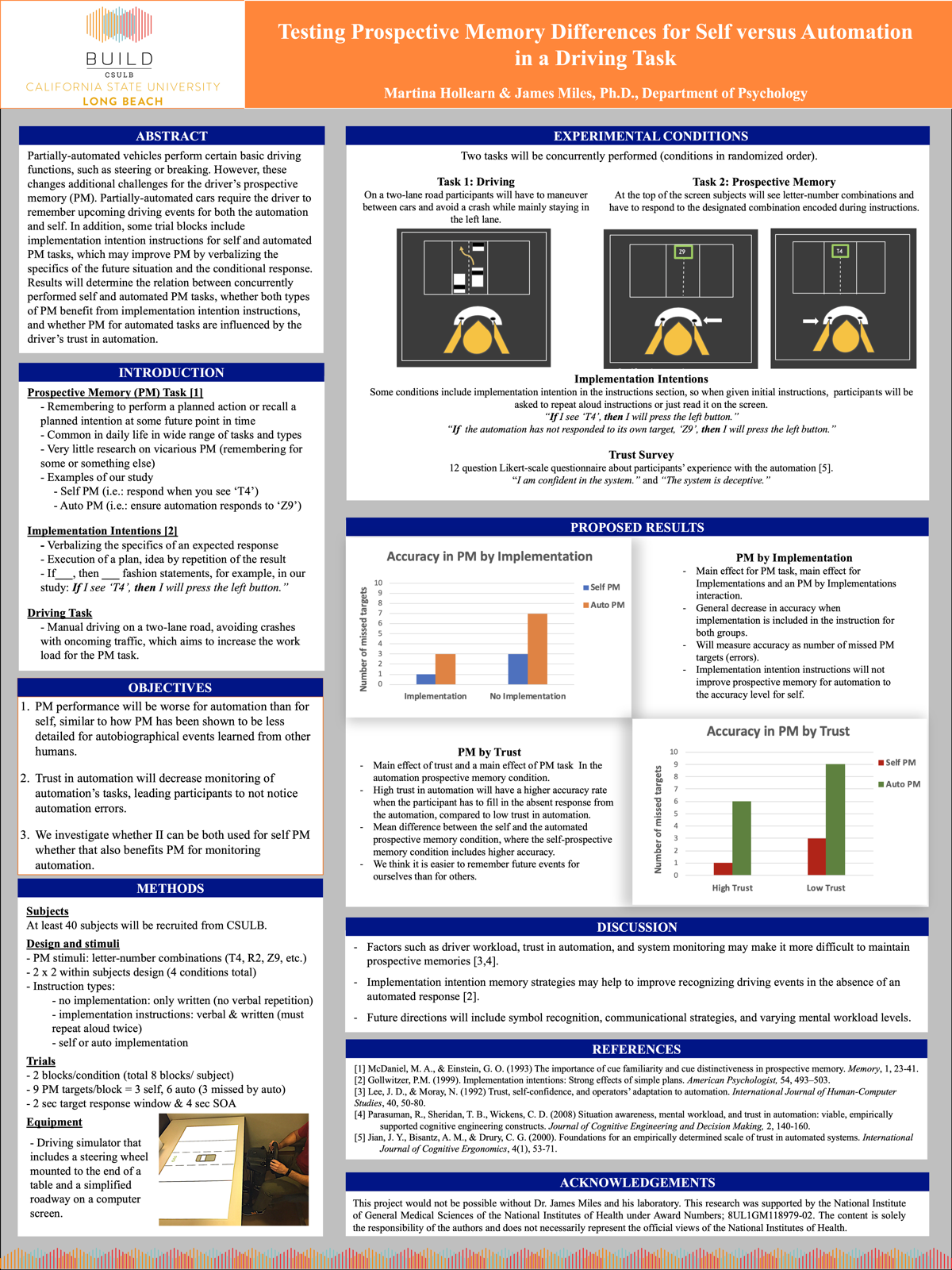
Testing Prospective Memory Differences for Self versus Automation in a Driving Task poster

Testing Prospective Memory Differences for Self versus Automation in a Driving Task

A driving-simulator study asking whether drivers remember upcoming events as reliably for a partially-automated car as they do for themselves, and whether rehearsing an “if–then” plan out loud helps.

Summer Research Symposium, California State University, Long Beach — 2019 · Download PDF

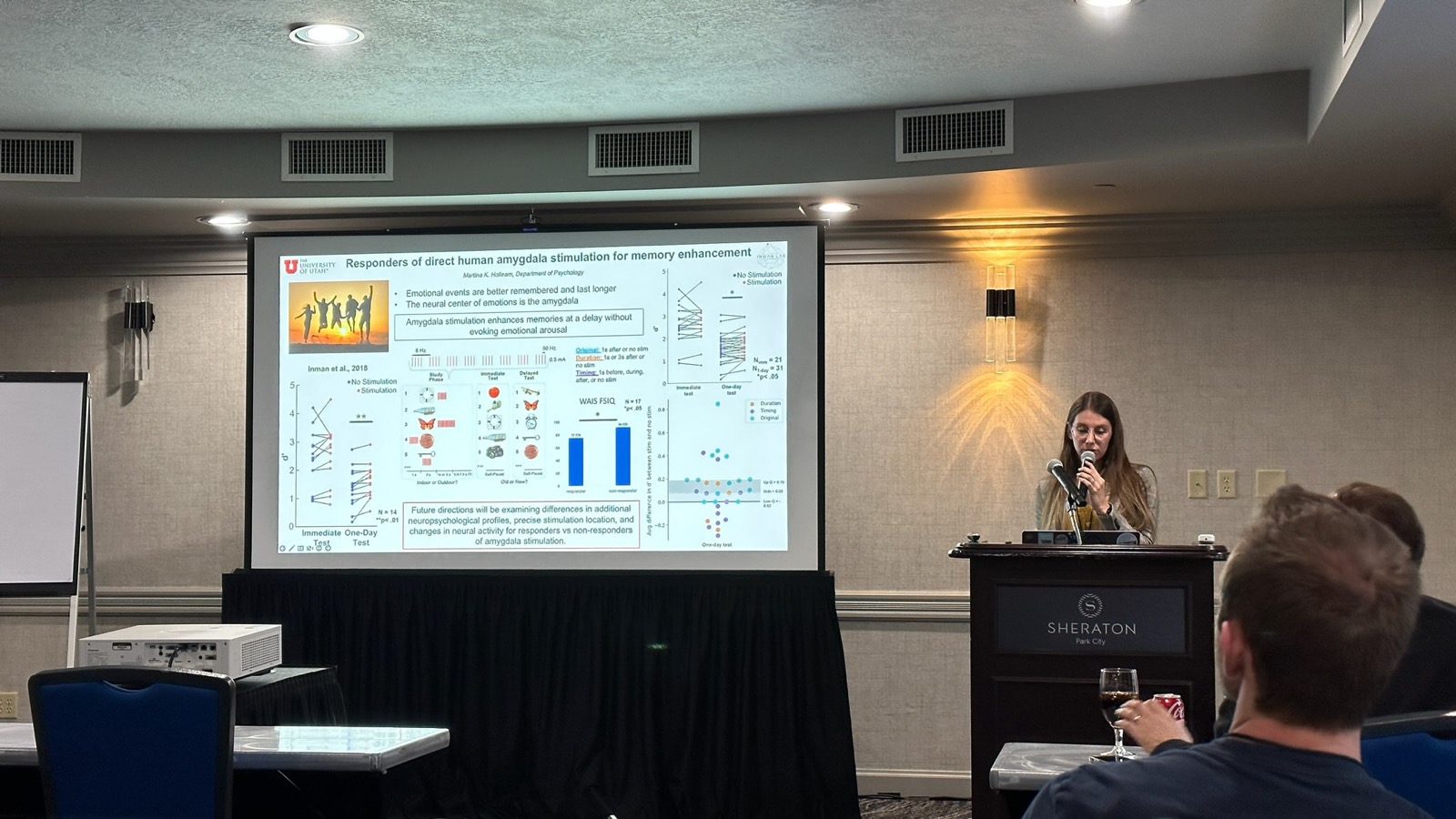
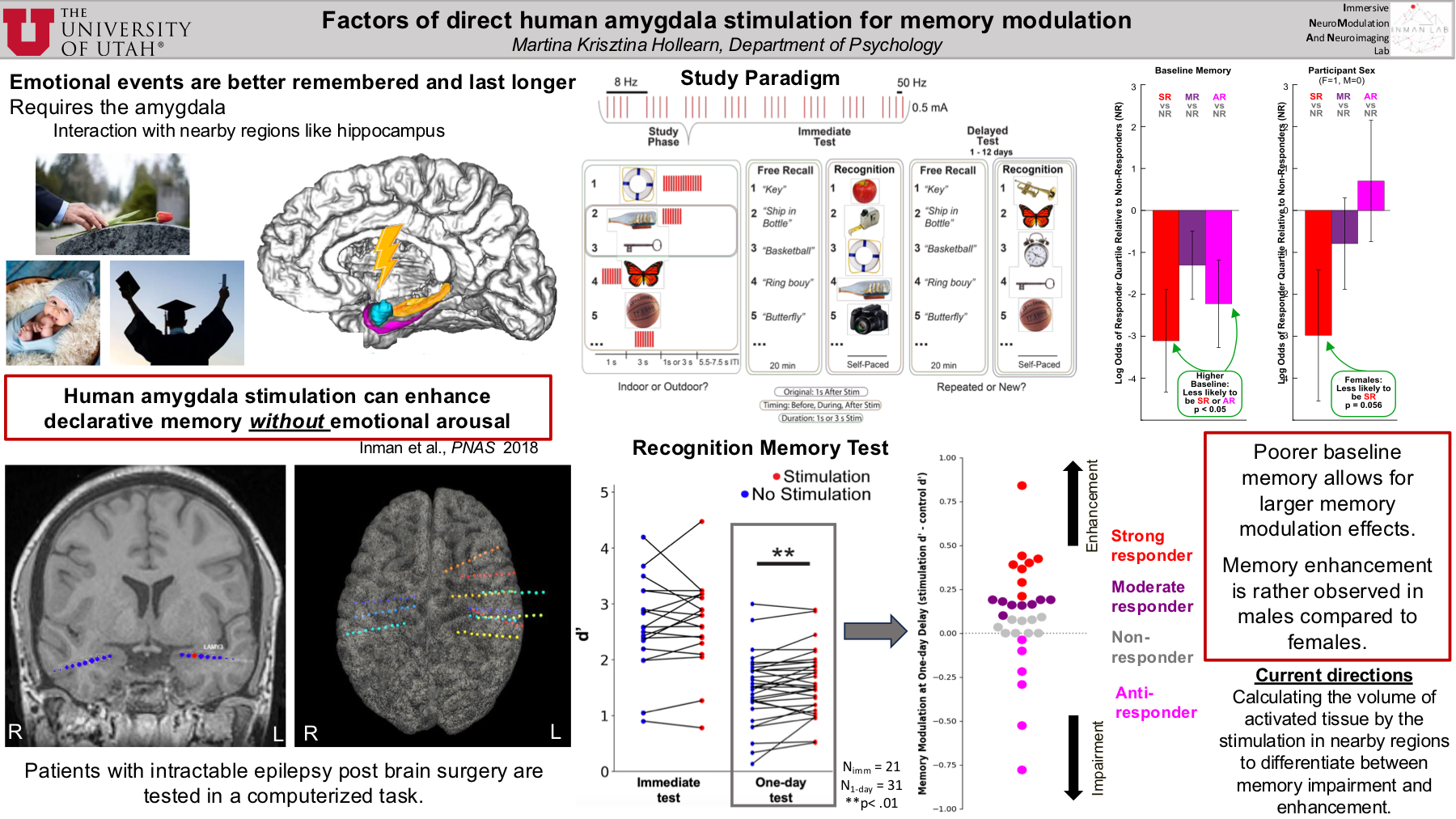
Factors of Direct Human Amygdala Stimulation for Memory Modulation poster

Factors of Direct Human Amygdala Stimulation for Memory Modulation

Why amygdala stimulation enhances memory in some patients and not others, and what factors predict who responds.

Winter Conference on Learning & Memory, Park City, Data Blitz — 2024 · Download PDF

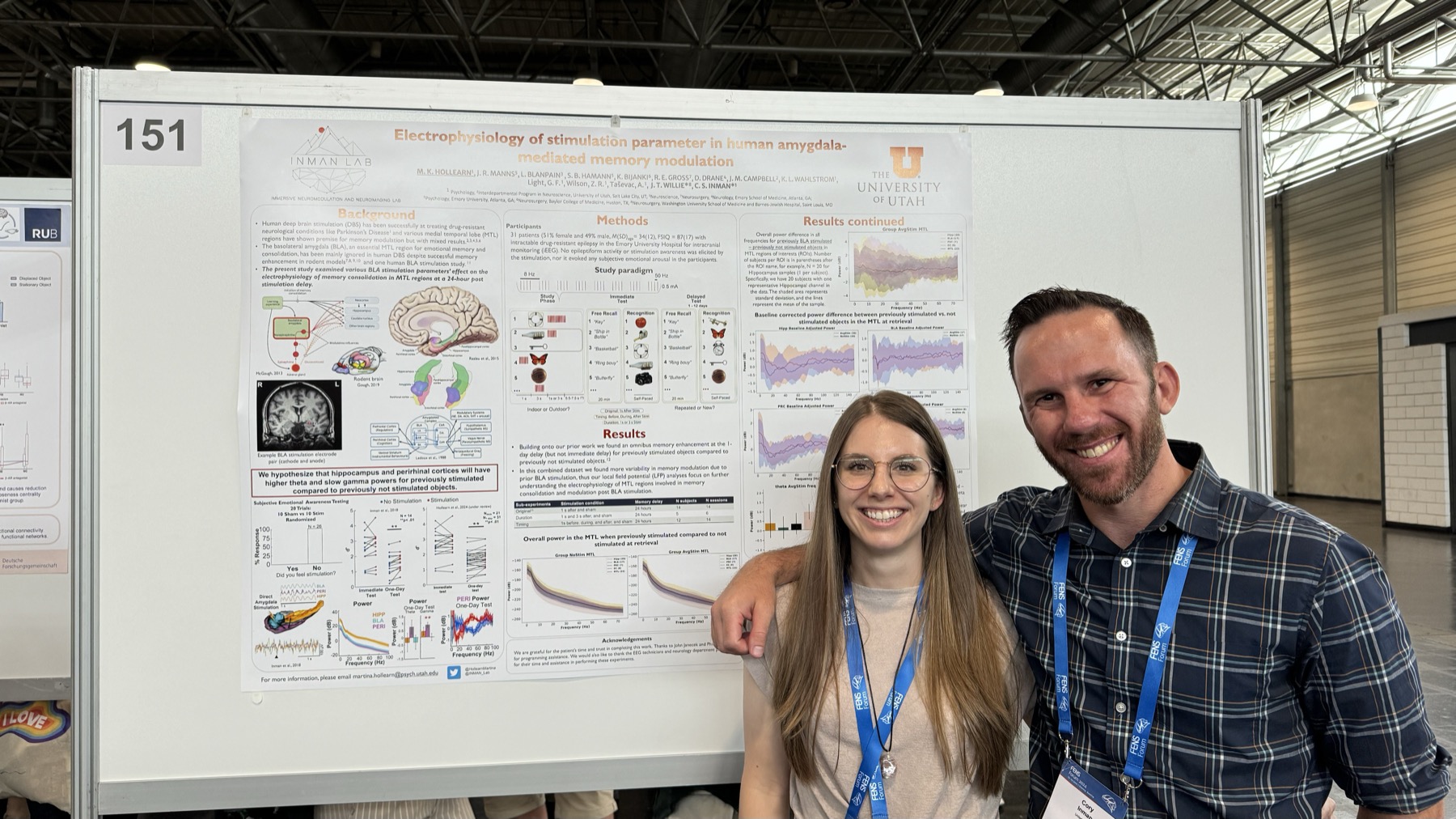
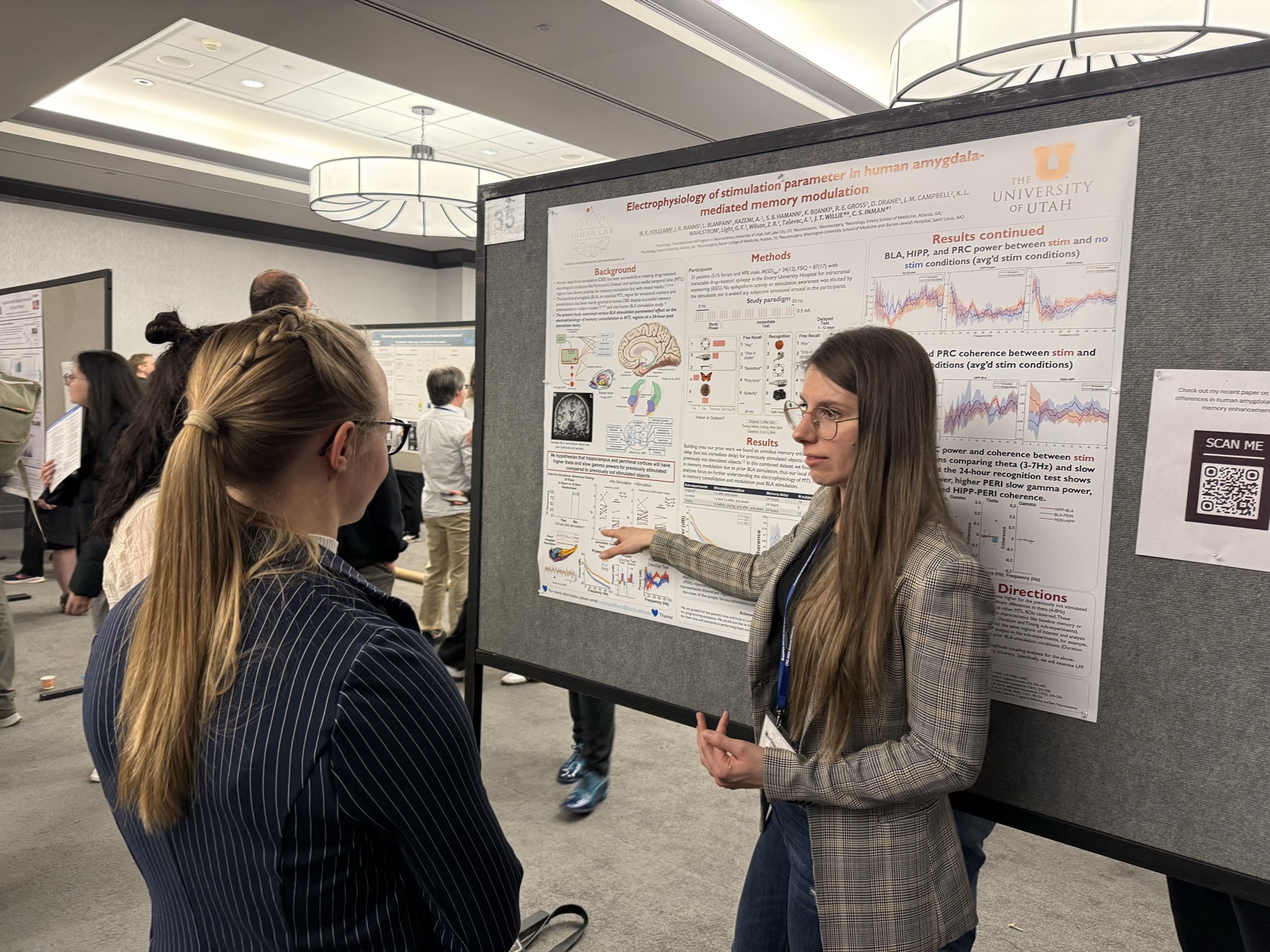
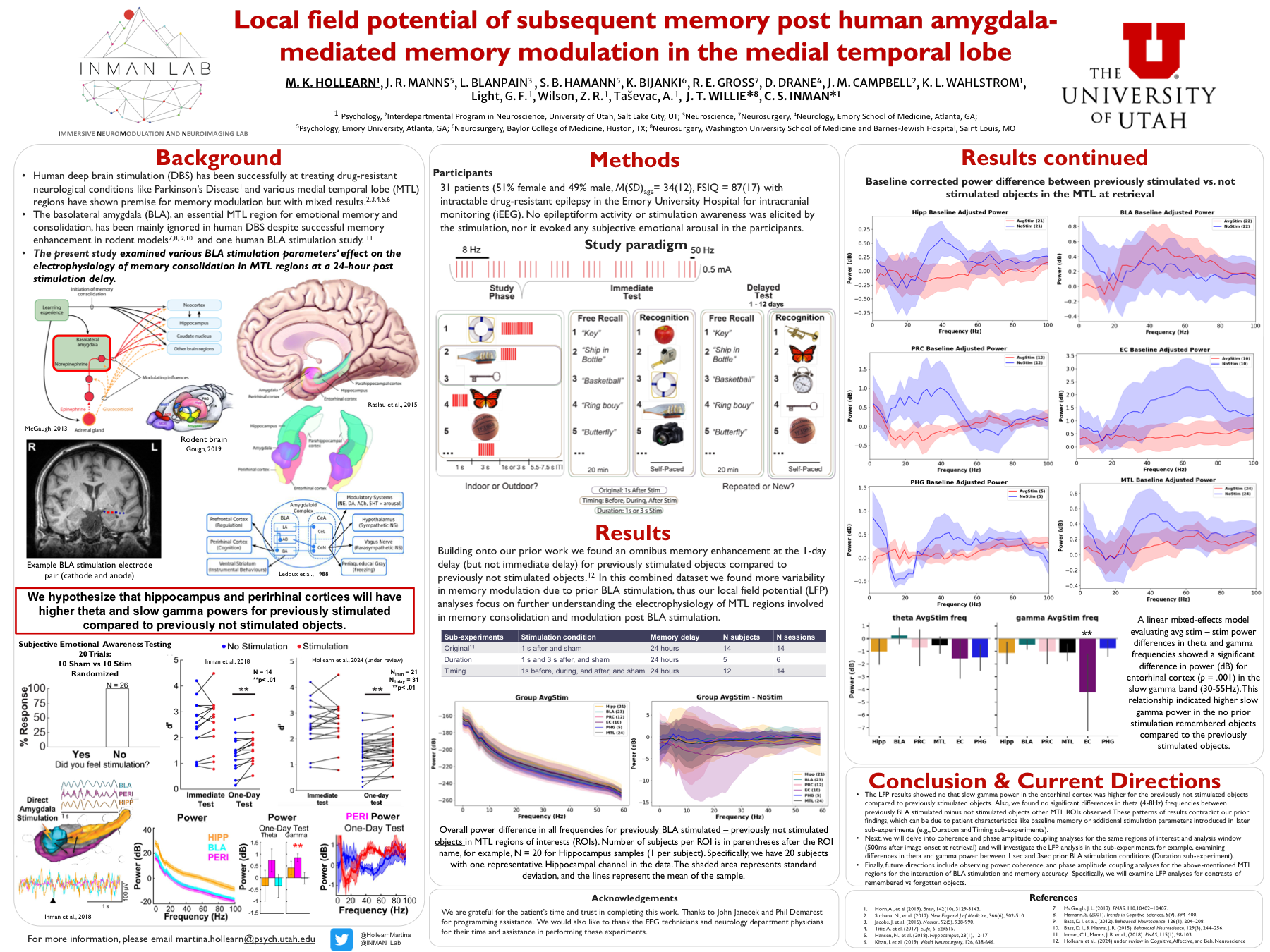
Local Field Potential of Subsequent Memory Post Human Amygdala-Mediated Memory Modulation in the Medial Temporal Lobe poster

Local Field Potential of Subsequent Memory Post Human Amygdala-Mediated Memory Modulation in the Medial Temporal Lobe

How different memory regions of the brain communicate with each other after amygdala stimulation, and why some people’s memory improves more than others.

Snowbird Conference, Learning & Memory — October 2024 · Download PDF

Selected Publications

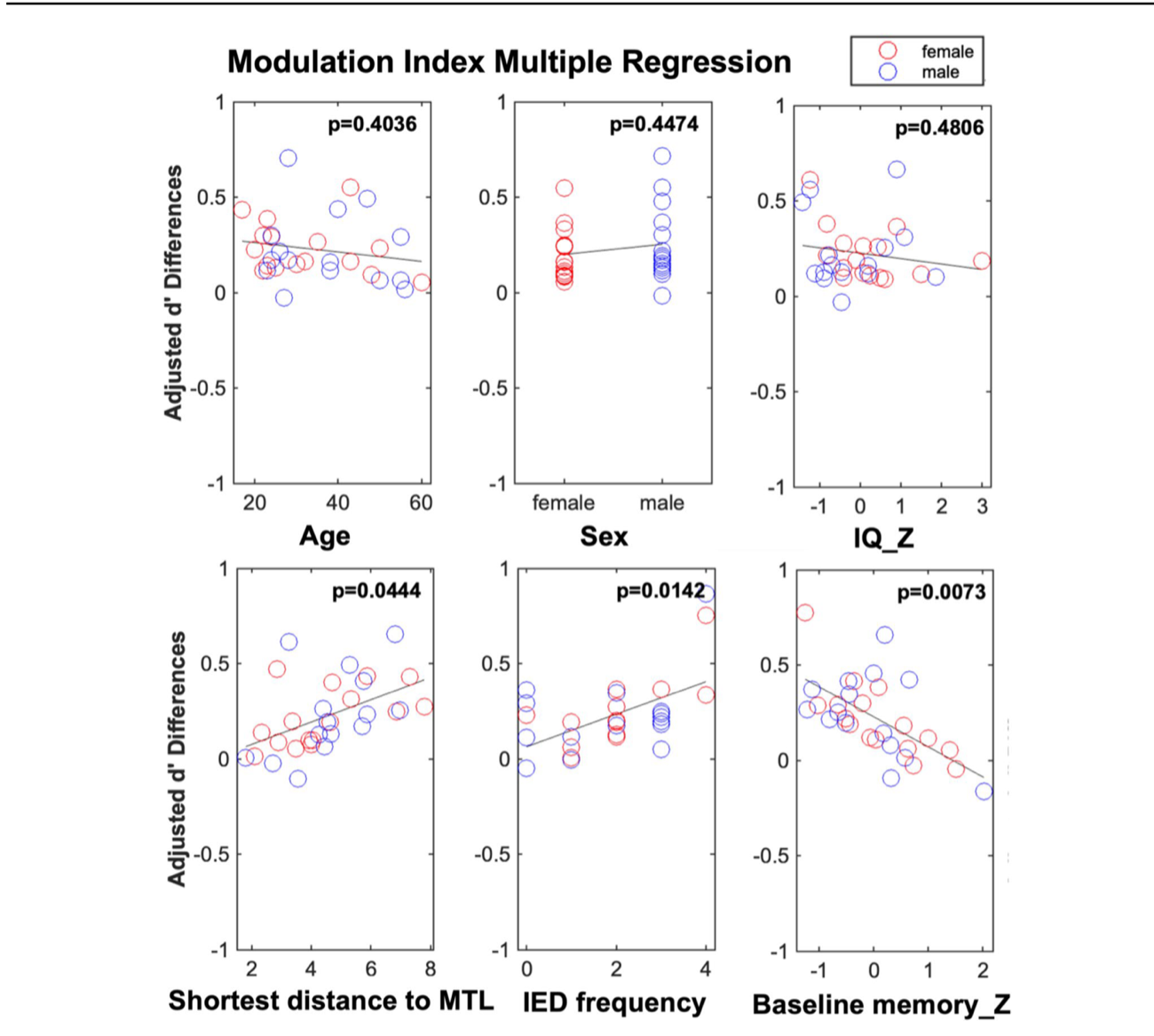
Results figure: multiple regression of memory modulation against age, sex, IQ, electrode distance, epileptiform discharge frequency and baseline memory

doi.org/10.3758/s13415-024-01250-4

Exploring Individual Differences in Amygdala-Mediated Memory Modulation

Hollearn et al. (2024) · Cognitive, Affective, & Behavioral Neuroscience

Brief electrical stimulation of the amygdala while patients were learning improved their memory for those images a full day later. But not everyone responded the same way: how much a person’s memory changed depended on how close their electrodes sat to nearby memory regions and on how good their memory was to begin with.

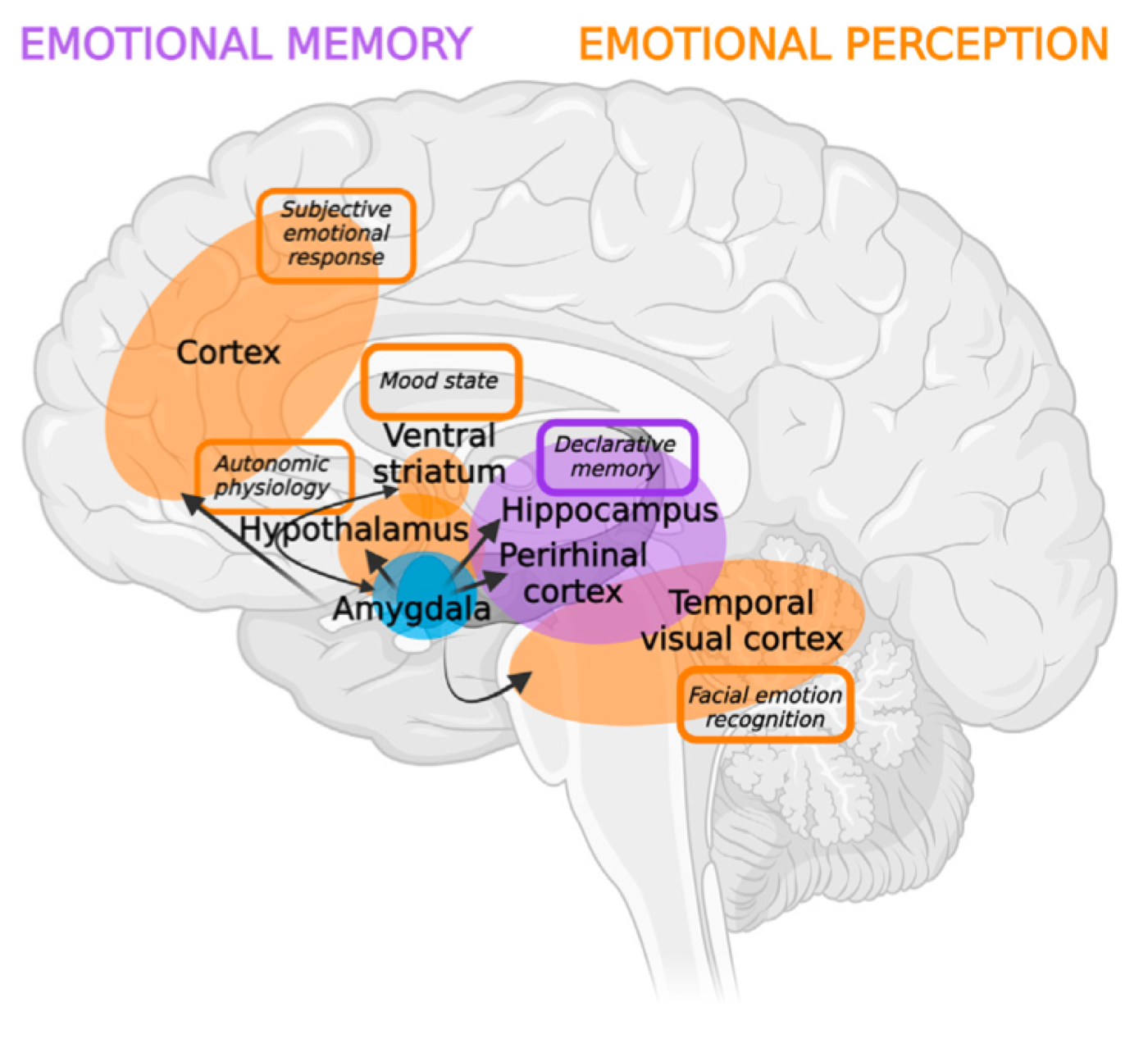
Figure illustrating the amygdala's influence on emotional memory and emotional perception across the brain

doi.org/10.1016/j.neuron.2023.09.040

Discovering How the Amygdala Shapes Human Behavior

Inman, Hollearn et al. (2023) · Neuron

A review tracing what decades of lesion studies and newer neuromodulation work have revealed about the amygdala’s reach — memory, emotion, perception, and the body’s automatic responses — and why that breadth makes it a promising, and delicate, target for treating PTSD and memory disorders.

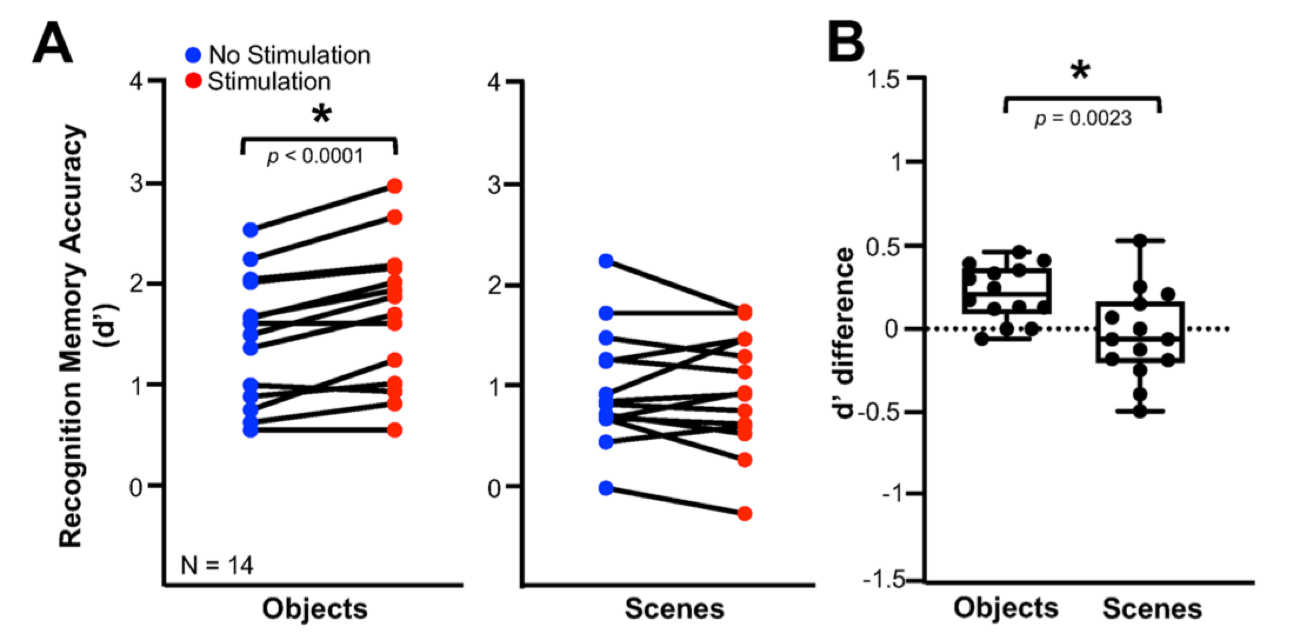
Results figure: recognition memory accuracy for objects and scenes with and without amygdala stimulation

doi.org/10.1038/s42003-026-10270-4

Direct Electrical Stimulation of the Human Amygdala Enhances Recognition Memory for Objects but Not Scenes

Wahlstrom, Campbell, Hollearn et al. (2026) · Communications Biology

Stimulating the amygdala did not lift memory across the board. It improved memory for objects a day later and left memory for scenes untouched — evidence that the amygdala shapes which information gets prioritized, rather than simply strengthening everything.

Also in review: Optimizing the personalization of human direct brain stimulation for memory enhancement (Hollearn & Inman, submitted to Brain Stimulation) and Making memories last: The brain’s filing system (Hollearn, Tasevac, Wahlstrom & Inman, submitted to Frontiers for Young Minds).

Teaching

Instructor

University of Utah, 2021–2023

  • Neurospirituality of Trauma Relief
  • Neurobiology of Learning and Memory (x2)
  • Sensation & Perception

Teaching Assistant

University of Utah, 2021–2023

  • Brain and Behavior (x4)
  • Research Methods (x2)

Guest Lecturer

University of Utah, 2021–2023

  • Brain and Behavior — Sensation & Perception
  • Adult Development — Alzheimer’s Disease and Other Dementias
  • Psychology as a Profession — Neuroscience as a Profession

What Students Say

“I thought Martina did a great job of getting across a complicated subject in very understandable terms. She also came across as a very compassionate and kind person.”

Neurobiology of Learning and Memory · Osher Lifelong Learning Institute, 2025–2026

“She is extremely knowledgeable. You can tell that she enjoys doing research. She is enthusiastic and explains things well.”

Neurobiology of Learning and Memory · Osher Lifelong Learning Institute, 2025–2026

“So knowledgeable and passionate about the topic. Excellent class and instructor.”

Neurobiology of Learning and Memory · Osher Lifelong Learning Institute, 2025–2026

“She spent as much time as needed to answer questions. Very generous with her time.”

Neurobiology of Learning and Memory · Osher Lifelong Learning Institute, 2025–2026

“Amazing and meaningful supplemental materials. Above and beyond my expectations.”

Neurobiology of Learning and Memory · Osher Lifelong Learning Institute, 2025–2026

“Martina goes out of her way to help everyone with anything. I wish she was my TA for every class!”

Research Methods · Fall 2021

“Martina is amazing! She is so kind and gives you great feedback!”

Research Methods · Fall 2021

“Martina worked very hard to support this course and was always very helpful in working with me to get through class materials throughout the semester.”

Brain and Behavior · Spring 2022

“I enjoyed our guest speaking on optogenetics and when Martina taught us.”

Brain and Behavior · Spring 2022

“Lots and lots of great information — charts and pictures, additional reading suggestions, etc.”

Neurobiology of Learning and Memory · Osher Lifelong Learning Institute, 2025–2026

“Great, incredibly knowledgeable instructor.”

Neurobiology of Learning and Memory · Osher Lifelong Learning Institute, 2025–2026

“The instructor was so knowledgeable about neurobiology. Lots of good info was provided.”

Neurobiology of Learning and Memory · Osher Lifelong Learning Institute, 2025–2026